 2Q Solutions

An elevator is not like most other things a building owner buys. It will carry people every day for decades, it is tied to safety rules, and it needs service long after the installers have gone home. That is why the choice of supplier matters as much as the choice of model. If you are comparing options, a good starting point is to look at how an established elevator company presents itself and what evidence it offers. This article uses the published profile of GOTS Elevator as an example and lists the questions worth asking any supplier.
Start with history and focus
Experience counts in a field where small design details affect comfort and safety. GOTS Elevator states that it was established in 2000 and describes itself as a company that brings together research and development, production, sales and intelligent service. It is based in the Zengcheng district of Guangzhou, China.
When you assess any supplier, ask how long it has been making elevators, where the equipment is made, and who handles installation and service in your country. A clear answer to each is a good sign.
Look at the product range
A building may need more than one type of vertical transport. According to its website, GOTS Elevator offers passenger elevators, villa or home elevators, observation elevators with glass panoramic cabins, hospital elevators, freight elevators, and escalators and moving walks. It also supplies parts and accessories such as control boxes, operating panels, push buttons, landing door series, ceilings and handrails.
A wide range helps if your project mixes different needs, for example a hotel with passenger lifts, a service lift for goods and an escalator in the lobby. It also means that spare parts and matching components can come from the same source.
Check certificates
Certificates show that a supplier works to recognized safety standards. GOTS Elevator lists EN81-20, EN81-50, EN115 and EAC certificates on its website. In general terms, EN 81-20 covers safety rules for the construction and installation of passenger and goods passenger lifts, EN 81-50 covers design rules, calculations, examinations and tests for lift components, and EN 115 applies to escalators and moving walks. EAC is the conformity mark used in the Eurasian Economic Union.
Whichever supplier you choose, ask to see the actual certificates, check what product each one covers, and confirm that the dates are valid. Your local authority may also have its own approval rules.
Ask about manufacturing and testing
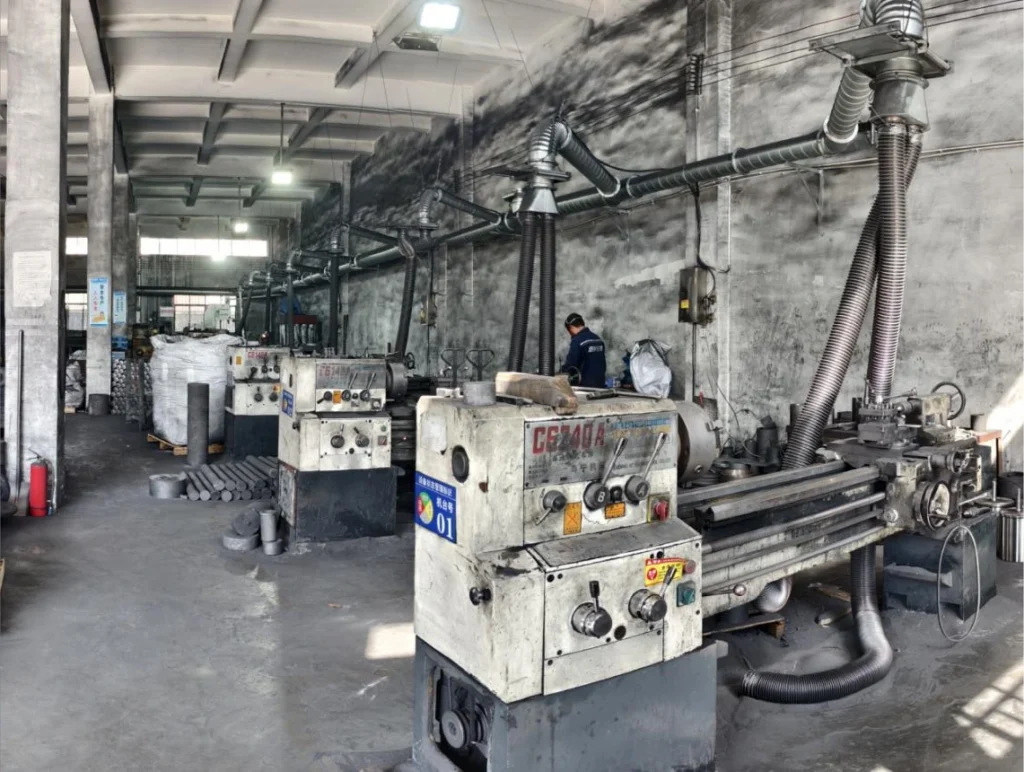
The company says it operates seven production facilities across several provinces, with an Industry 4.0 setup, and that it has a 100 meter test tower. A test tower matters because it lets engineers run real elevators through full travel before they are shipped. It also reports more than 70 patents and a team of over 100 professionals.
These are the company’s own statements, so a careful buyer should still ask for evidence, such as patent documents, factory photographs or a video tour.
Consider customization and brand work
Some buyers need elevators made to special sizes or finishes. GOTS Elevator says it offers OEM and ODM services, including production for other brands and the option of its own brand with a customer’s logo. If you are a distributor or a contractor with your own label, this is worth discussing. If you are a building owner, it is more useful to ask about cabin interiors, materials and dimensions that fit your shaft.
Look at the markets and projects
References give you a picture of where the equipment has been used. The company states that it exports to more than 50 countries, including regions such as the Middle East, Africa, South America and Southeast Asia. Projects named on its website include a residential complex called Central Park in Russia with 20 elevators, the Nifur Hotel in Cotonou, Benin, and Hotel Orion International, a five star hotel in Dhaka, Bangladesh.
When you consider a supplier, ask for references in your own region, and if possible speak to a customer who has used the elevators for several years.
Do not forget service
Installation and after sales support decide how your elevator will feel in year five or year fifteen. The company says it provides installation and after sales service, with local service teams in most countries, and that spare parts can be obtained through the market or directly from the company with short delivery times.
Ask any supplier exactly who will install the equipment, how quickly a fault can be attended to, and how spare parts are supplied. Ask also about maintenance contracts and what they include.
A simple checklist
Before signing, confirm the company history, request certificates, review the product range, ask for references, and agree on service terms in writing. Prepare your own information too, such as the number of floors, the height of each floor, the shaft dimensions and the building type, because a supplier cannot quote properly without them.
Choosing an elevator supplier is a long term decision. Spend time on evidence, ask direct questions and compare more than one offer. A careful choice protects the people who will use the elevator every day.