 2Q Solutions
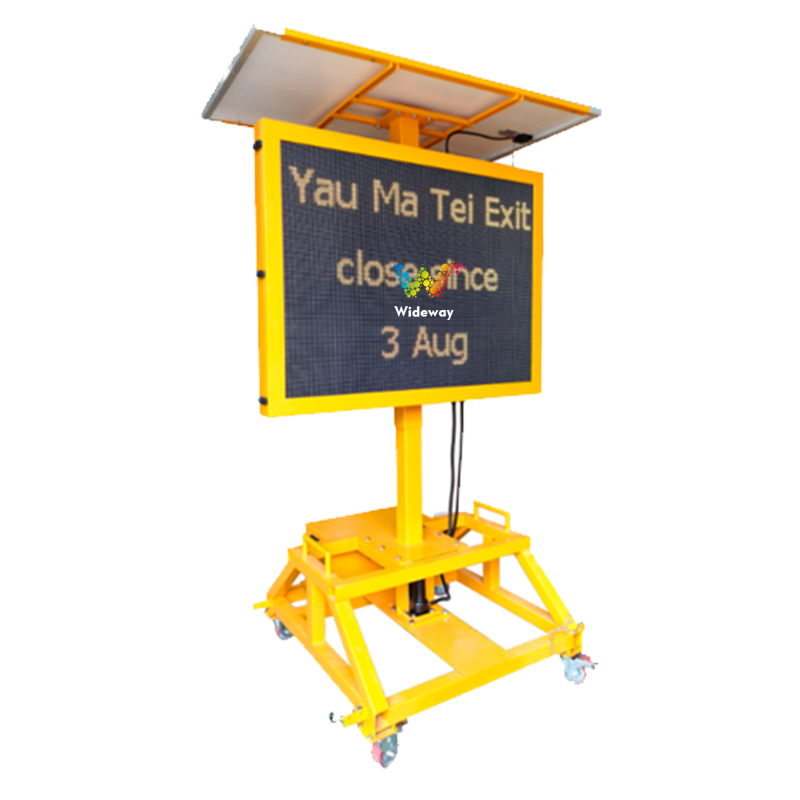
Roadwork zones, event entrances, parking lots, and temporary diversions all share one challenge: drivers need clear instructions at the right moment. A variable message sign, often shortened to VMS, can show those instructions and be changed when conditions change. A Solar Simple VMS Display is one type of equipment designed for places where grid power may not be available.
What a VMS does
A VMS is an electronic sign that shows messages using lit elements, usually LEDs. Unlike a printed sign, its text can be updated. A crew can show “Road Work Ahead” in the morning and “Lane Closed” later, without replacing a board. This flexibility is what makes variable message signs useful for temporary situations.
Why solar power matters
Many temporary sites do not have a nearby power outlet. Running a generator is possible, but it needs fuel, regular attention, and produces noise. A solar powered unit uses a panel to charge a battery, and the battery supplies the sign. This can reduce the need for fuel and frequent refuelling visits. Performance still depends on sunlight, battery condition, and how long the display runs each day, so be realistic about local weather and usage.
What “simple” can mean
Simple does not mean weak. It generally points to a straightforward design that is easy to set up and operate. For crews that move between sites often, a sign that is easy to position and operate saves time. The product page for the Solar Simple VMS Display describes it as a solar powered simple elevating display screen, so the elevating feature is a part of its design. Always check the product page or ask the supplier for the exact specifications, such as display size, battery capacity, and operating conditions, before purchase.
Where such a sign can be used
- Road maintenance and construction zones
- Temporary lane closures and diversions
- Event traffic management
- Parking area guidance
- Warning drivers about hazards ahead
Visibility and message design
A sign only helps if drivers can read it quickly. Keep messages short, use clear words, and avoid long sentences. Drivers have only a few seconds to read, so a brief, direct message works best. Placement matters too. The sign should sit where drivers have time to see it, read it, and react safely, and it should not be blocked by trees, vehicles, or other objects.
Safety and compliance
Rules for temporary traffic signs differ between countries and road authorities. Some require specific sign sizes, colours, or message formats. Before deploying any display on a public road, check your local traffic regulations and ask the relevant authority if needed. Using equipment correctly matters as much as owning it.
Setup and maintenance tips
- Face the solar panel toward the sun as recommended by the manufacturer
- Keep the panel surface clean from dust and dirt
- Check battery condition regularly
- Inspect the display for damaged or dark elements
- Secure the unit properly against wind
Following the manufacturer’s manual is always the best guide.
Questions to ask a supplier
Ask about warranty, available spare parts, expected battery life, how messages are changed, and whether training or documentation is provided. A reliable supplier will give clear answers and not avoid details.
Summary
Solar powered variable message signs help road crews, event organisers, and site managers communicate clearly without depending on a power outlet. A Solar Simple VMS Display suits people who want a straightforward unit for temporary messaging. Review the specifications, match them to your site conditions, follow local rules, and keep the equipment maintained. Used properly, such a sign contributes to safer and smoother movement for everyone on the road.