 2Q Solutions
Anyone who has filled bottles by hand knows the problem. The first hundred bottles go fine. By the third hour, fill levels drift, hands get tired, and spills start to appear. Small businesses often accept this as the cost of getting started, but at some point the manual method stops making sense. That is usually the moment to look at an automatic filling machine.
What the machine actually does
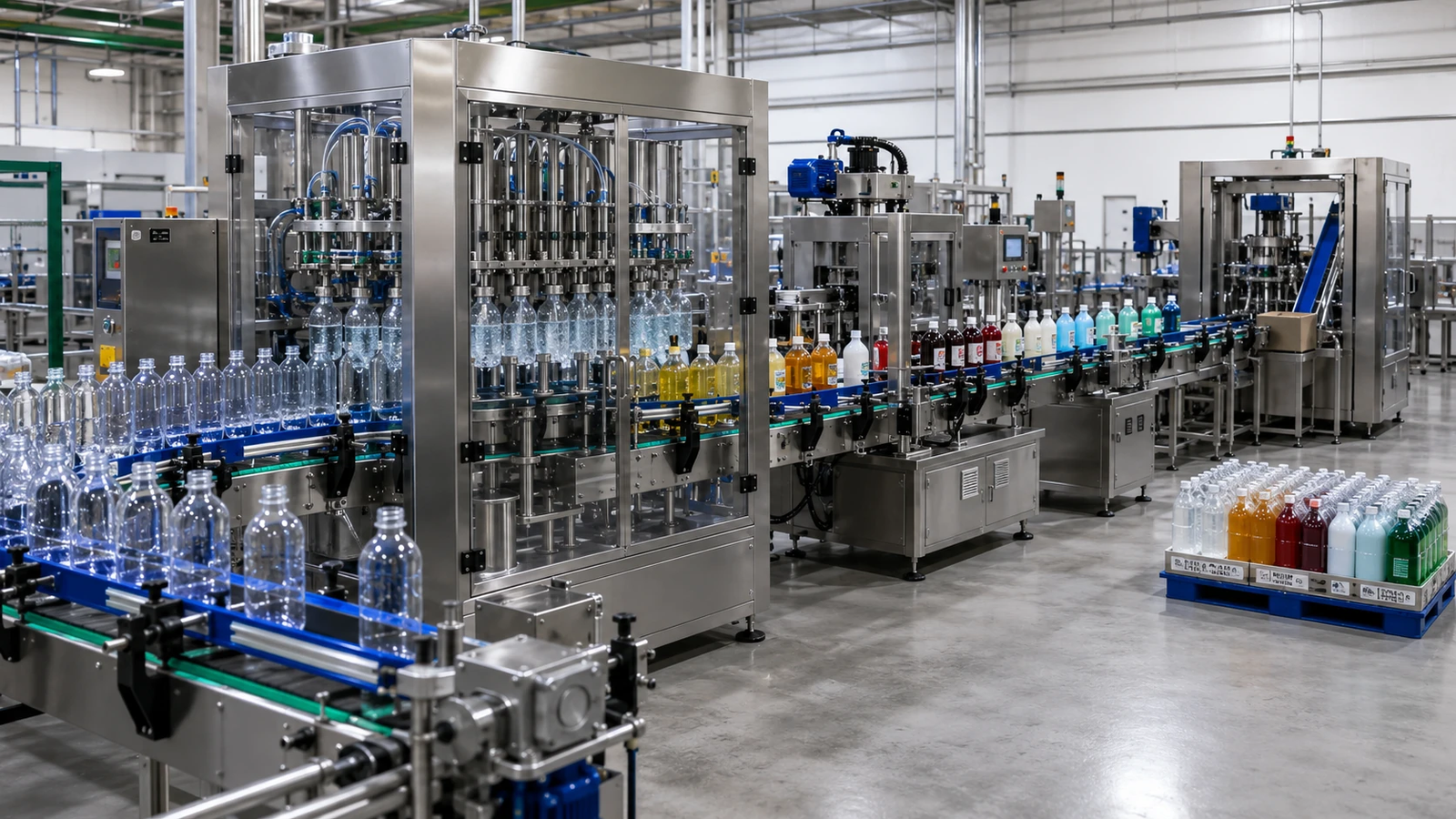
An automatic filling machine measures a set amount of product and delivers it into a container without an operator controlling each fill. The container moves into position, the nozzle dispenses the product, and the container moves on. The operator’s job changes from filling to supervising, loading containers, and checking quality.
Consistency is the first benefit
Customers notice when one bottle looks fuller than another. Beyond appearance, many markets have rules about net content, so a bottle labelled with a certain volume should actually contain it. Machines repeat the same fill again and again, which keeps your product within a tight range. Overfilling wastes product, and underfilling risks complaints and compliance trouble. A good machine lowers both risks.
Speed and labour
Output depends on the model, the product, and the container, so it is best to avoid promises about exact numbers. What can be said honestly is that a machine fills far faster than a person working by hand, and it does not slow down as the shift goes on. Staff who once spent their day pouring can be moved to packing, labelling, or inspection.
Choosing the right type
Not every product behaves the same way. Thin liquids such as water or light cleaning solutions flow easily and are suited to certain filling methods. Thick products such as creams, pastes, and sauces need a different mechanism, often piston based. Products that foam need careful nozzle design so bubbles do not cause false fill levels. Before buying, write down these details about your product:
- Viscosity, meaning how thick or thin it is
- Whether it foams, contains particles, or is corrosive
- Container shapes and sizes you plan to use
- The volume range you need per container
- How many containers you aim to fill per hour
A supplier can only recommend the correct machine if you share this information honestly.
Materials matter
Parts that touch your product should suit that product. Stainless steel is widely used for contact parts because it resists corrosion and is easy to clean. If you fill chemicals, check that seals and tubing are compatible. Ask the supplier for this detail in writing instead of assuming.
Cleaning and maintenance
Every filling machine needs regular cleaning, especially when you switch between products. Machines designed with easy access and simple disassembly save time on each changeover. Ask how seals are replaced and which spare parts you should keep on hand. A machine that is hard to maintain becomes expensive in downtime even if the purchase price was low.
Think about growth
Many buyers choose a machine that fits today’s volume exactly, then outgrow it in a year. If you expect demand to rise, consider models with more filling heads or the option to connect with capping and labelling equipment later. Planning a little ahead usually costs less than replacing a machine early.
Before you buy
Request a demonstration or a test with your own product if possible. Watching your actual liquid pass through the machine tells you more than any brochure. Also confirm power requirements, air supply needs, and what training or documentation comes with the machine.
An automatic filling machine will not fix a weak product or poor packaging design, but it removes one of the most common sources of inconsistency in production. For businesses that fill liquids, creams, or sauces every day, it is a practical step toward steadier quality and smoother operations. Take time to define your product and your goals, compare options carefully, and choose equipment that matches your real needs.