 2Q Solutions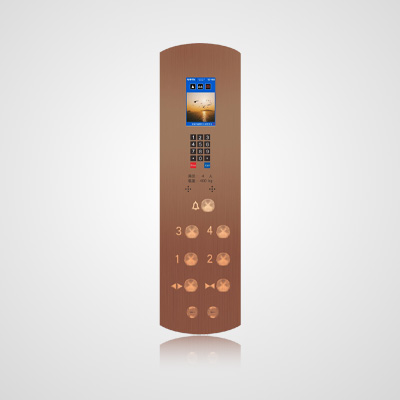
Most people press a button in an elevator, wait a few seconds, and never think about what happens between that button press and the doors opening on the right floor. Yet that short pause is when a genuinely important piece of equipment does its job. The component responsible for that entire sequence is the elevator control panel, and understanding what it actually does helps explain why building owners and elevator technicians take it so seriously.
Translating a Simple Button Press Into a Complex Instruction
When someone steps into an elevator and presses a floor button, they are not directly telling the elevator car to move. What actually happens is that the control panel reads that input, works out where the car currently is, and sends the appropriate signal to the elevator’s drive system. The drive system then powers the motor that moves the car to the requested floor. This all happens within a second or two, but it involves the panel constantly checking the car’s position, coordinating with the motor, and making sure the movement is smooth rather than jerky or delayed.
This is really the core job of the panel: governing and monitoring the movement of the elevator, responding correctly to whatever the passenger has requested, and doing so while following the safety guidelines built into the system. It is easy to take for granted precisely because it works so consistently, but the coordination involved is not trivial.
Managing the Doors as Carefully as the Car
Moving the car up or down is only part of the job. The panel also controls when the doors open and close, and this is where a lot of the safety logic actually lives. Door sensors need to detect if someone or something is in the doorway, and weight limits need to be checked before the car departs. The panel is constantly running these checks in the background, timing the door operation to match when the car has actually arrived and stabilized at a floor, rather than opening too early or closing too soon.
Watching for Problems Before They Become Serious
A well designed control panel does more than just execute commands. It also monitors the health of the elevator system as it operates, sensing failures and notifying the relevant system or operators when something needs attention. The elevator control panel systems produced by GOTS Elevator, for instance, are described as offering real-time diagnostics and monitoring, which allows maintenance teams to respond to developing issues more quickly than they would if a fault only became apparent once the elevator actually stopped working.
This kind of ongoing monitoring matters a great deal in buildings where an elevator sees heavy daily use, since catching a small issue early is almost always cheaper and less disruptive than dealing with an elevator that has broken down completely, especially in a busy commercial or residential building where people rely on it throughout the day.
Built Around a Simple Interface for Passengers
Despite everything happening behind the scenes, the actual passenger experience is meant to stay simple. A well designed control panel presents floor buttons, an emergency button, and a door open or close button in a layout that is intuitive enough that a first time visitor to a building can operate it without confusion. This simplicity is intentional. The complexity of coordinating the motor, the doors, the safety checks, and the diagnostics is meant to stay invisible to the person riding the elevator, who should only ever need to press a button and wait.
Why This Matters for Anyone Managing a Building
For property managers and building owners, understanding what a control panel actually does helps put maintenance recommendations into context. A panel is not just a box of switches. It is actively managing motion, safety, and diagnostics every single time the elevator runs, which is exactly why manufacturers generally recommend regular maintenance, typically somewhere in the range of every twelve to twenty four months, to keep all of these coordinated functions working the way they are supposed to.
Next time you press a floor button and wait those few seconds for the doors to open, it is worth remembering that a fairly sophisticated piece of coordination just took place quietly in the background, and that keeping it properly maintained is what keeps that experience feeling effortless.
Read More at USA Times