 Sky Bloom IT
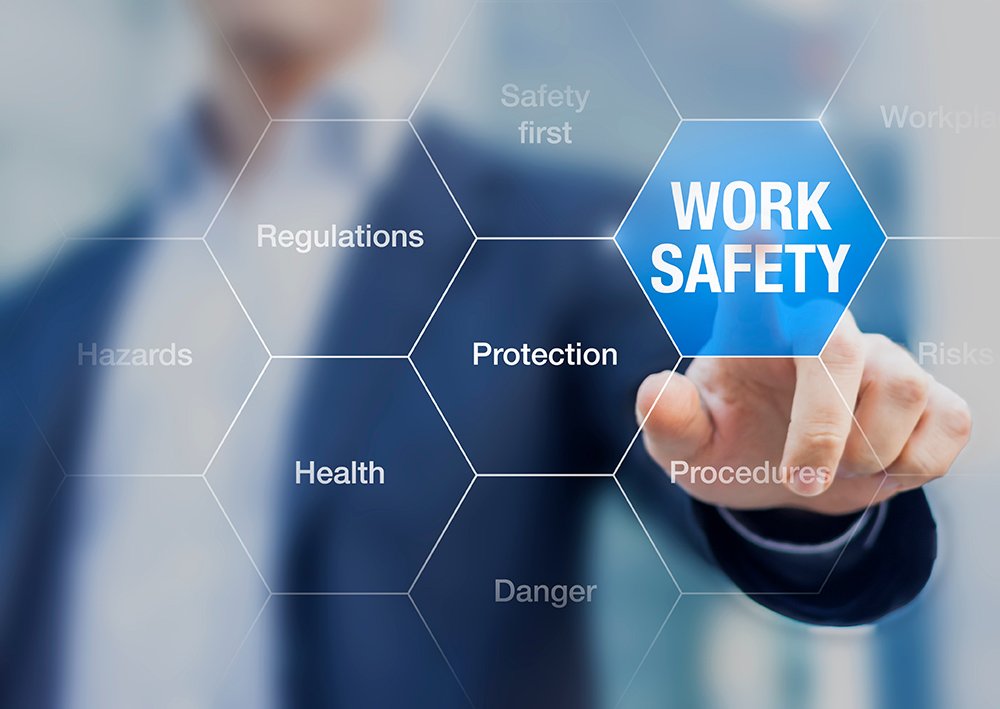
Construction accidents are preventable events. But prevention takes more than just scheduling safety training. Some accidents happen because of a safety myth, a misguided jobsite safety culture, or a safety misconception, and experienced team members can be just as susceptible to these dangerous mindsets as their trainees. Some of the most common construction safety myths involve fall protection, lifting injuries, confined spaces, personal protective equipment, and experience-based overconfidence.
While experience and developed skills are valuable, workplace hazards are notorious equalizers. Help your crew to recognize the flaws and mindsets that give these myths their power to wreak havoc; instead, instill a safety mindset.
Dangerous Safety Myth #1: “My Experience Will Keep Me Safe”
Team members who perform the same task every day may begin to believe their experience lets them take certain risks. But equipment failures, changing work conditions, or unexpected distractions don’t recognize job experience. More than 1,000 construction workers die on the job annually in the U.S. The same experience that can help keep workers safe can also make them complacent.
Myth #2: “I Don’t Need Fall Protection for a Quick Task”
This is one of the most common fall protection myths in construction. Workers often believe a task that takes only a few minutes doesn’t justify the time required to install guardrails or wear a personal fall arrest system.
Myth #3: “Skipping One Safety Step Won’t Matter”
Bypassing an equipment inspection or deciding not to wear personal protective equipment may seem like a harmless shortcut, but such decisions can have serious consequences. Taking a few extra minutes to inspect equipment, verifying that safety devices are functioning properly, and wearing the appropriate PPE prevents injuries and equipment damage. Follow safe work practices every time you perform a task.
Myth #4: “A Confined Space is Safe if I’m Only Inside Briefly”
Confined spaces often harbor risks you can’t detect by sight or smell. OSHA’s confined space standards require employers to identify permit-required confined spaces and evaluate potential hazards before entry. Depending on the circumstances, employers may need to test for oxygen deficiency, toxic gases, or flammable vapors. Even a brief entry into an unsafe confined space can quickly become life-threatening.
Myth #5: “I’m Strong Enough to Lift It Myself”
Physical strength or personal fitness doesn’t protect against workplace lifting injuries. Moving heavy or awkward materials without assistance can strain muscles and joints. Workers can reduce their risk of lifting injuries by using mechanical lifting equipment, practicing proper lifting techniques, and asking for help—even when they think, “I’ve got it.”
Myth #6: “My Reflexes are Great”
Construction workers shouldn’t rely on quick reflexes to catch falling tools or anticipate equipment mishaps. Reaction time is often too slow. Tool tethering, machine guards, exclusion zones, and other engineering controls were designed so workers don’t have to depend on their reflexes for their safety.
Challenging Safety Myths
Replace workplace safety myths with a fact-based safety outlook with regular safety training and consistent communication. Use staff meetings and hazard assessments to discuss safety moment ideas and topics and reinforce safe work practices. Challenge the safety myths you hear with OSHA toolbox talks and weekly safety meeting topics to reduce workplace injuries, dispel myths, and create a work environment where proven safety practices are second nature.