
 IQnewswire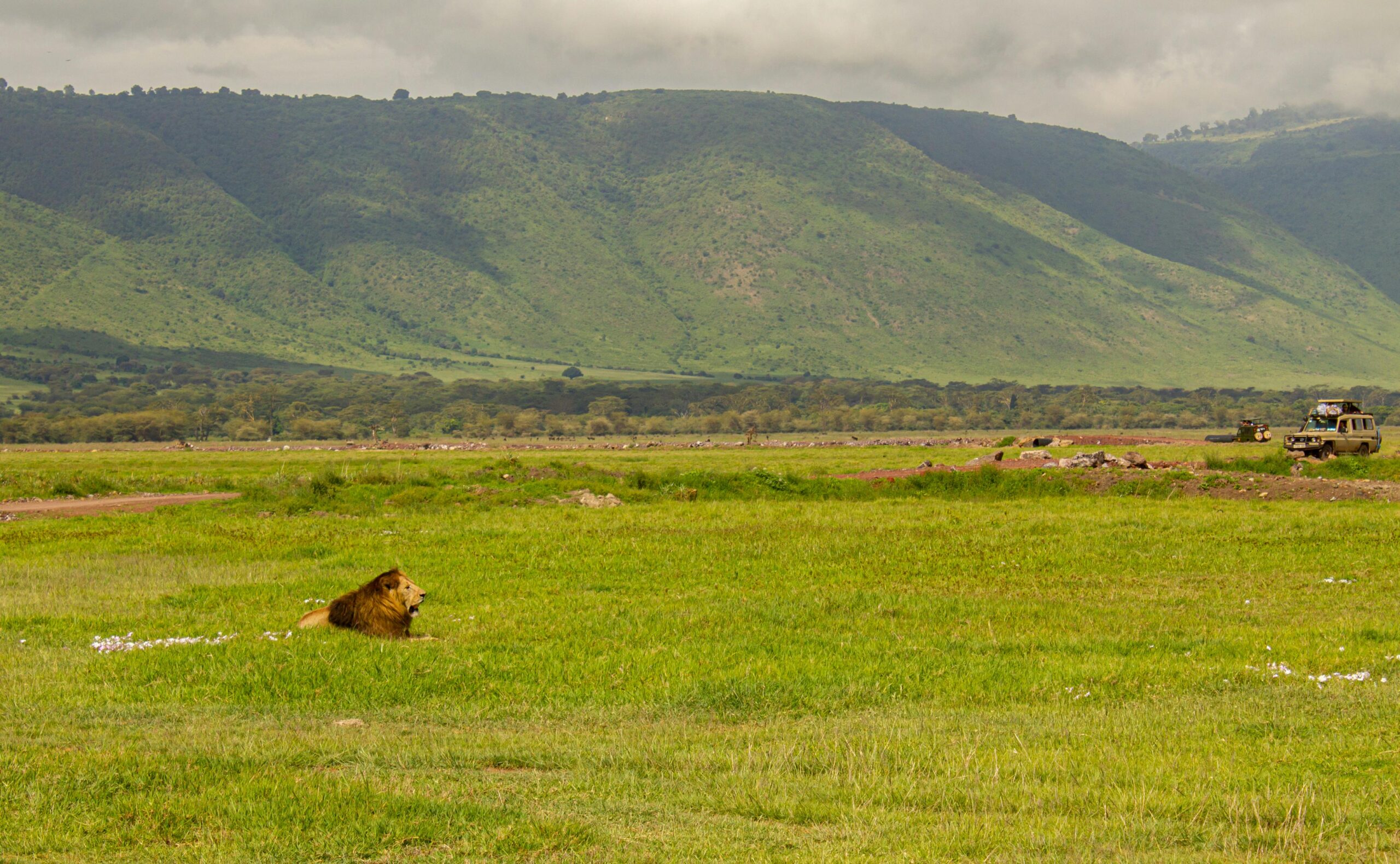
Tanzania is widely regarded as one of the world’s premier safari destinations, renowned for its breathtaking landscapes, extraordinary biodiversity, and iconic wildlife experiences. From the endless plains of the Serengeti National Park to the wildlife-rich Ngorongoro Crater, Tanzania offers travelers an authentic and unforgettable journey into the heart of Africa’s natural beauty.
This guide explores everything you need to know about safaris in Tanzania, including the country’s top national parks, safari experiences, best travel seasons, wildlife highlights, accommodation options, and practical planning tips.
Why Tanzania Is One of Africa’s Top Safari Destinations
Tanzania is home to some of Africa’s most celebrated national parks and conservation areas, many of which remain remarkably untouched. The country offers exceptional opportunities to witness wildlife in its natural habitat across a diverse range of ecosystems, including savannahs, volcanic craters, lakes, wetlands, and forests.
Key reasons travelers choose Tanzania for safari experiences include:
- Exceptional biodiversity and high wildlife concentrations
- The world-famous Great Migration
- Vast, protected conservation areas
- Safari options for every budget and travel style
- Spectacular scenery ideal for photography and nature exploration
Tanzania is also one of the best places in Africa to observe the “Big Five” wildlife species:
- Lion
- Leopard
- Elephant
- African buffalo
- Rhinoceros
Top Safari Destinations in Tanzania
Serengeti National Park
The Serengeti is among Africa’s most iconic safari destinations, famous for its endless grasslands and abundant wildlife. It is best known as the stage for the Great Migration, during which millions of wildebeest, zebras, and gazelles travel across the plains in search of fresh grazing.
Wildlife commonly seen in the Serengeti includes:
- Lions and cheetahs
- Leopards
- Elephants
- Hyenas
- Wildebeest and zebras
The park is especially popular for game drives and wildlife photography.
Ngorongoro Crater
Formed millions of years ago by the collapse of a massive volcano, the Ngorongoro Crater is one of the world’s most unique wildlife ecosystems. Its enclosed landscape supports an extraordinary concentration of animals year-round.
Wildlife highlights include:
- Black rhinos
- Lions
- Flamingos around Lake Magadi
- Large herds of buffalo and zebras
The crater is widely considered one of the best places in Africa to see the Big Five within a single day.
Tarangire National Park
Tarangire National Park is known for its giant baobab trees and large elephant populations. During the dry season, animals gather around the Tarangire River, creating exceptional wildlife-viewing opportunities.
Common sightings include:
- Elephants
- Giraffes
- Lions
- Zebras
- Warthogs
Compared to other parks, Tarangire offers a quieter and less crowded safari experience.
Lake Manyara National Park
Although smaller than many of Tanzania’s national parks, Lake Manyara offers impressive ecological diversity, including forests, grasslands, and lakeshore habitats.
The park is particularly famous for:
- Tree-climbing lions
- Flamingo populations
- Hippos
- Baboons and monkeys
It is also highly regarded among birdwatchers due to its rich birdlife.
Nyerere National Park
Previously part of the Selous Game Reserve, Nyerere National Park is one of Africa’s largest protected wildlife areas. The park offers a more remote and wilderness-focused safari experience.
Activities include:
- Boat safaris
- Walking safaris
- Traditional game drives
Wildlife commonly found here includes elephants, crocodiles, lions, hippos, and African wild dogs.
The Great Migration
The Great Migration is one of the most remarkable wildlife spectacles on Earth. Each year, more than two million wildebeest, zebras, and gazelles move between Tanzania and Kenya in search of fresh grazing land.
Migration highlights include:
- January–March: Calving season in the southern Serengeti
- April–June: Herds migrate northward
- July–September: Dramatic river crossings in northern Serengeti
- October–December: Return journey south
The river crossings, where herds navigate crocodile-filled waters, are among the most dramatic wildlife scenes in Africa.
Types of Safaris in Tanzania
Game Drive Safaris
Game drives are the most popular safari activity in Tanzania. Travelers explore national parks in specially designed 4×4 vehicles accompanied by experienced safari guides.
Wildlife viewing is generally best during:
- Early morning
- Late afternoon
These cooler hours are when animals are most active.
Walking Safaris
Walking safaris provide a more immersive wilderness experience. Guided by trained rangers, visitors learn about animal tracks, plants, ecosystems, and smaller wildlife often missed during vehicle safaris.
This experience is especially popular in Nyerere and Tarangire National Parks.
Hot Air Balloon Safaris
Hot air balloon safaris offer a unique perspective of Tanzania’s landscapes and wildlife. Floating above the Serengeti at sunrise provides panoramic views of the plains and animal movements below.
Most balloon safaris conclude with a champagne breakfast in the bush.
Luxury Safaris
Luxury safaris combine exceptional comfort with world-class wildlife experiences. High-end lodges and tented camps often include:
- Private guides and vehicles
- Fine dining experiences
- Spa facilities
- Exclusive wildlife viewing areas
Many luxury properties are located in prime areas of the Serengeti ecosystem.
Budget and Camping Safaris
Camping safaris are ideal for travelers seeking a more adventurous and affordable experience. These safaris typically include:
- Guided tours
- Shared safari vehicles
- Tented accommodations
Despite lower costs, they still provide outstanding wildlife encounters.
Best Time to Visit Tanzania for Safari
Dry Season (June to October)
The dry season is generally considered the best time for safari because:
- Animals gather around water sources
- Vegetation is thinner, improving visibility
- Weather conditions are cooler and drier
This is also the prime season for witnessing the Great Migration river crossings.
Green Season (November to May)
The rainy season transforms Tanzania into a lush and vibrant landscape.
Advantages of traveling during this period include:
- Fewer tourists
- Excellent birdwatching opportunities
- Beautiful scenery
- Wildebeest calving season
However, some remote roads may become difficult to access after heavy rainfall.
Wildlife You Can See in Tanzania
Tanzania supports some of Africa’s richest wildlife populations. Commonly seen animals include:
- Lions
- Leopards
- Elephants
- Rhinoceroses
- African buffalo
- Cheetahs
- Giraffes
- Zebras
- Wildebeest
- Hippos
The country is also home to more than 1,000 bird species, making it a major destination for birdwatching enthusiasts.
Safari Accommodation Options
Luxury Lodges
Luxury lodges offer premium comfort in remote natural settings, often featuring:
- Swimming pools
- Fine dining
- Spacious suites
- Panoramic landscape views
Tented Camps
Tented camps provide a classic safari atmosphere while maintaining modern comfort. Many include private bathrooms, comfortable beds, and outdoor viewing decks.
Mobile Camps
Mobile camps relocate seasonally throughout the Serengeti ecosystem, allowing guests to remain close to the Great Migration.
Cultural Experiences in Tanzania
Many safari itineraries also include cultural visits to local communities such as the Maasai people. Travelers can learn about traditional lifestyles, cattle herding practices, music, dance, and local customs.
These cultural interactions also contribute to community-based tourism and local economic support.
Essential Tips for Planning a Tanzania Safari
Book Early
Safari lodges and guided tours often sell out months in advance, especially during peak travel seasons.
Pack Appropriate Gear
Recommended items include:
- Neutral-colored clothing
- Binoculars
- A camera with a zoom lens
- Sunscreen and a hat
- Insect repellent
Follow Safari Etiquette
To ensure safety and protect wildlife:
- Remain quiet near animals
- Follow guide instructions carefully
- Never feed wildlife
- Maintain respectful viewing distances
How Much Does a Tanzania Safari Cost?
Safari pricing varies depending on accommodation level, season, and itinerary length.
Estimated daily costs:
- Budget safari: $150–$300 per person
- Mid-range safari: $300–$600 per person
- Luxury safari: $600–$1,500+ per person
Most packages include accommodation, meals, park fees, transportation, and guided game drives.
Combining Safari with Other Tanzania Experiences
Many travelers extend their safari adventure with additional experiences across Tanzania.
Popular options include:
- Climbing Mount Kilimanjaro
- Relaxing on the beaches of Zanzibar
- Exploring Stone Town
- Snorkeling and diving in the Indian Ocean
This combination creates a well-rounded travel experience that blends adventure, culture, and relaxation.
Sustainable Tourism and Conservation
Tanzania places strong emphasis on wildlife conservation and sustainable tourism. Many safari operators actively support:
- Anti-poaching initiatives
- Local employment programs
- Community education projects
- Wildlife conservation research
Choosing responsible safari companies helps preserve Tanzania’s natural heritage for future generations.
Final Thoughts
A safari in Tanzania is one of the most rewarding travel experiences in the world. From the dramatic landscapes of the Serengeti to the unique ecosystem of the Ngorongoro Crater, the country offers extraordinary opportunities to connect with nature and witness wildlife on an unforgettable scale.
Whether you are seeking luxury, adventure, photography opportunities, or cultural discovery, Tanzania delivers a truly world-class safari experience. For travelers looking to experience authentic African wildlife and breathtaking scenery, Tanzania remains one of the finest safari destinations on Earth.