Backlinks Hub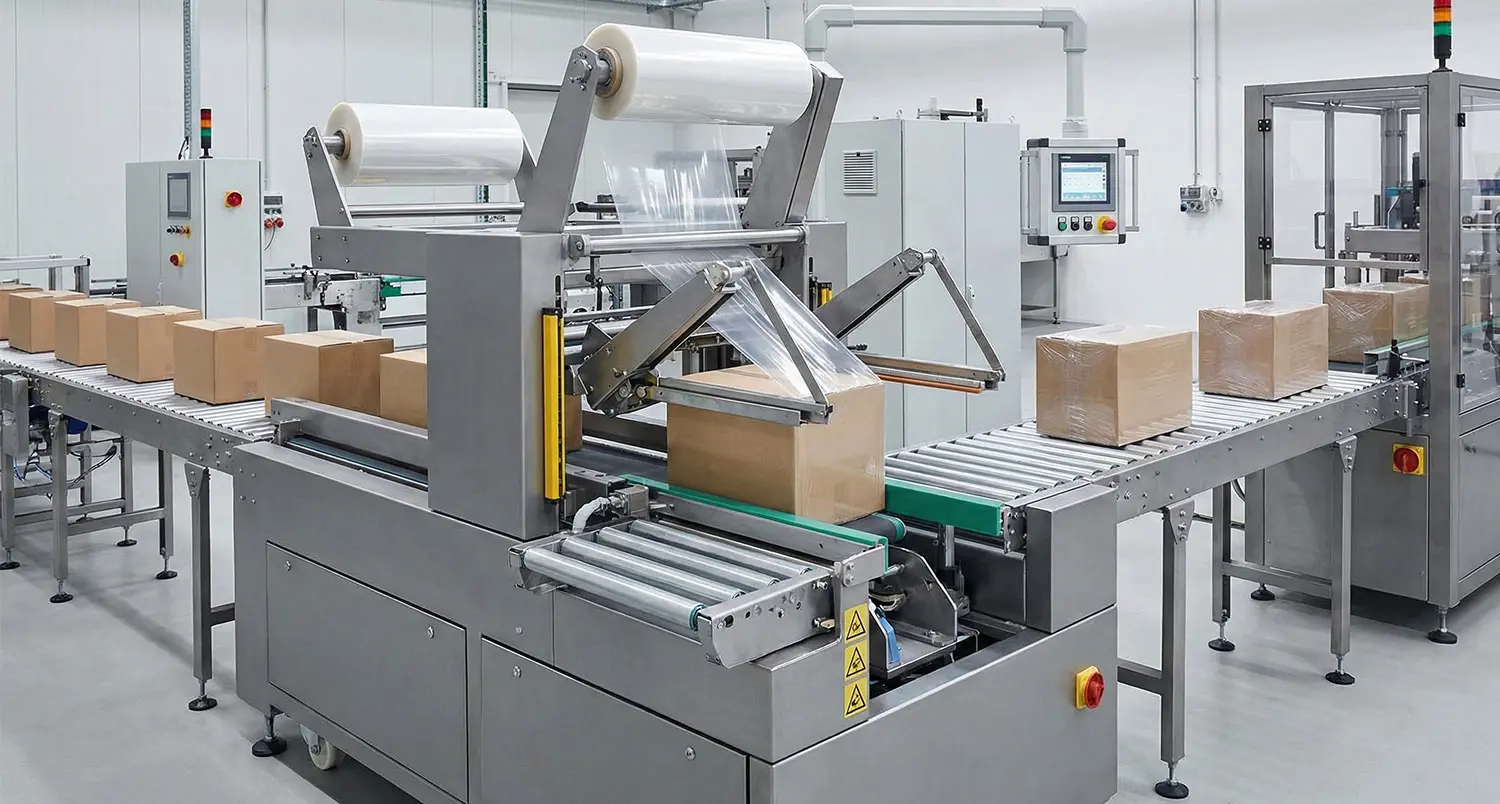
Walk down almost any store aisle and you will notice that a large share of the boxed goods on the shelves are wrapped in a thin, glossy film. That clear layer is not there by accident. It protects the product from dust and moisture, keeps tampering visible, and gives the package a neat, finished look that catches a shopper’s eye. Behind that layer of film is usually a piece of equipment called an overwrapping machine, and it has quietly become one of the more important tools in modern packaging lines.
An overwrapping machine takes a product, whether it is a box of tissues, a stack of stationery, a carton of cosmetics, or a household item, and wraps it tightly in a flexible film using heat or another sealing method to close the wrap. The process sounds simple, but getting it right at speed and at scale is not. The film has to be pulled, folded, and sealed consistently on thousands of units a day without tearing, wrinkling, or leaving gaps that let air or moisture in.
What the Machine Actually Solves
Before this kind of equipment became common, wrapping was done by hand in many factories. It was slow, inconsistent, and hard to scale. A modern overwrapping machine solves that by handling the folding and sealing automatically, which means a factory can move from a handful of wrapped units per minute to a steady, repeatable output that matches the pace of the rest of the production line. It also removes a lot of the variability that comes with manual labor, since every pack ends up folded and sealed the same way.
The equipment is used across a wide range of industries. Food producers rely on it to keep baked goods and snack boxes sealed against moisture. Cosmetic brands use it to give their boxed products a premium, tamper-evident finish. Household goods companies, hardware suppliers, tissue paper producers, and stationery manufacturers all lean on the same basic technology, adapted to their own box sizes and materials. Pharmaceutical packaging lines also use similar wrapping systems, since a sealed outer layer adds a visible layer of protection for anything a consumer will eventually open by hand.
Manual, Semi-Automatic, and Fully Automatic Options
Not every business needs the same setup. A small operation packing a limited number of items each day might do fine with a manual unit that a worker operates by hand. A mid-sized business often finds a semi-automatic version more practical, since it speeds things up without requiring a full production line overhaul. Larger manufacturers, especially those producing in high volumes, generally move toward fully automatic systems that can be built into an existing line and run with minimal supervision.
JOCHAMP’s overwrapping machine lineup reflects this range, offering manual, semi-automatic, and fully automatic models so that a business can choose based on its actual production needs rather than being forced into equipment that is either too basic or far more than it requires. The company has been building packaging machinery for more than fifteen years, which is long enough to have refined the mechanical details that make a real difference on a factory floor, such as how smoothly the film feeds and how consistently the seal holds up over long runs.
Getting the Details Right
A well-built machine should run without shaking the production line, since vibration over an eight or ten hour shift can throw off seal quality and wear down parts faster than they should. Safety features matter too, particularly guarding around moving parts, since operators are standing near the equipment for entire shifts. These are the kind of details that are easy to overlook on a spec sheet but that show up quickly once a machine is running day after day in a real factory.
For any business weighing whether to bring wrapping in house or upgrade an older setup, it helps to think about current output needs first, then leave room to scale. A machine that fits today’s volume but can be adjusted or paired with additional units later tends to serve a growing business far better than one bought purely on price. Packaging is often the last thing a customer touches before deciding whether a product feels trustworthy, and a clean, consistent wrap plays a bigger role in that impression than most people realize.