 Backlinks Hub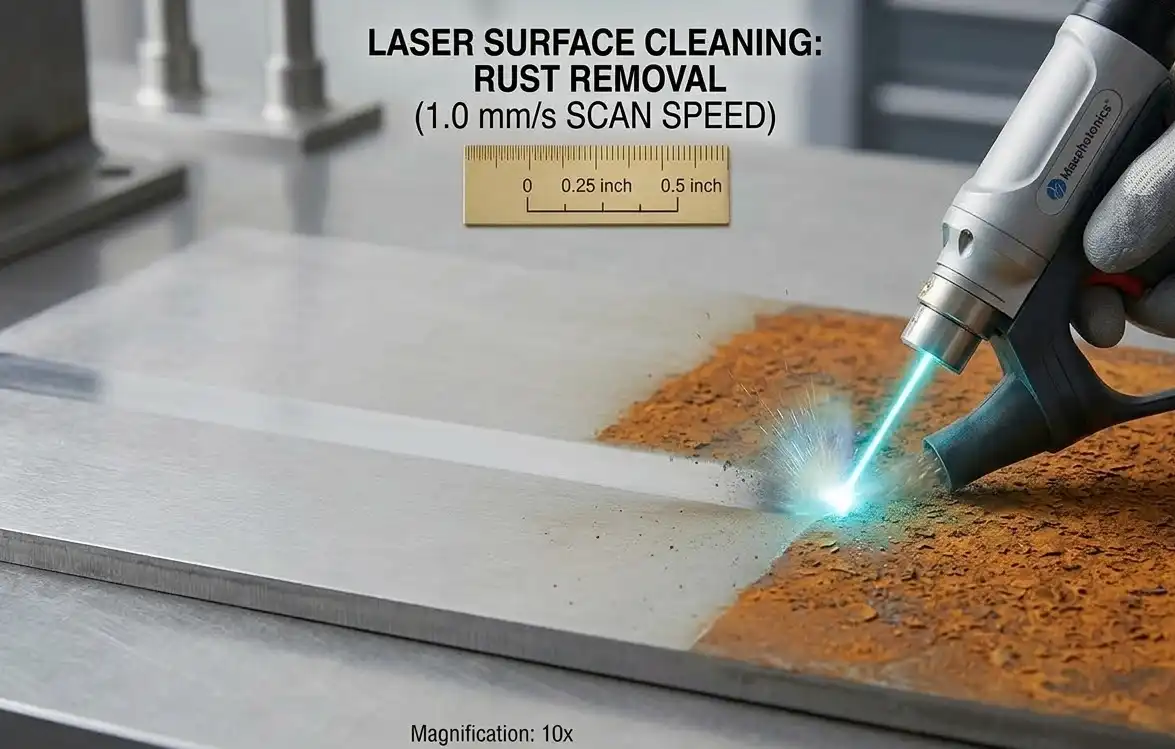
For decades, industrial cleaning and surface preparation relied on a fairly narrow set of methods, sandblasting, chemical solvents, and manual abrasive scrubbing among the most common. These methods work, but they come with real downsides that a lot of manufacturers have simply learned to live with, until laser cleaning technology matured enough to offer a genuinely practical alternative worth taking seriously.
What Traditional Cleaning Methods Actually Cost a Business
Sandblasting and abrasive methods generate a lot of waste material that needs to be collected, contained, and disposed of properly, which adds real cost and regulatory complexity to what seems like a simple cleaning task. Chemical cleaning methods bring their own set of concerns, including worker exposure risks, proper ventilation requirements, and the need to handle and dispose of hazardous waste in compliance with environmental regulations. These are not minor administrative details. They represent real ongoing cost and liability that many businesses factor into their operations without necessarily thinking of it as an avoidable expense.
How Laser Cleaning Approaches the Same Problem Differently
Laser cleaning removes rust, coatings, paint, and contaminants from a surface using focused light energy rather than physical abrasion or chemical reaction. The laser essentially vaporizes or ablates the unwanted material from the surface, leaving the base material intact underneath. This process generates significantly less waste than abrasive methods, since there is no blasting media to collect and dispose of, and it avoids the chemical exposure risks associated with solvent based cleaning entirely.
Precision Is a Genuine Practical Advantage
Beyond the environmental and safety considerations, laser cleaning offers a level of precision that traditional methods often cannot match. The intensity and focus of the laser can be adjusted to target specific contaminants or coatings while minimizing impact on the underlying base material, which matters a great deal for delicate components, historical restoration work, or situations where preserving the integrity of the base surface is a real priority rather than an afterthought.
Reduced Consumable Costs Over Time
Traditional abrasive cleaning methods require a continuous supply of blasting media, which represents an ongoing operational cost that adds up significantly over time. Laser cleaning equipment, once purchased, does not require this kind of continuous consumable input in the same way, which changes the long term cost structure of a cleaning operation, even though the upfront equipment investment for a quality laser system is generally higher than for traditional abrasive equipment.
Where the Technology Still Has Real Limitations
It is worth being honest that laser cleaning is not automatically the best choice for every application. Very heavily encrusted surfaces, extremely large scale industrial cleaning jobs, or applications where the sheer speed of aggressive abrasive blasting is genuinely necessary may still favor traditional methods in certain situations. Choosing the right approach depends on the specific application, the surface being cleaned, and the scale of the work involved, rather than assuming laser cleaning is a universal replacement for every traditional method in every context.
Working With an Experienced Manufacturer Matters
Getting real value from laser cleaning technology depends significantly on choosing equipment from a genuinely experienced laser cleaning machine manufacturer rather than treating all laser cleaning systems as functionally interchangeable. Power output, beam control, and build quality vary meaningfully between manufacturers, and these differences directly affect how well a system performs on real world cleaning tasks rather than just controlled demonstration conditions.
A Shift Worth Understanding, Not Blindly Following
The shift toward laser cleaning reflects genuine practical advantages around waste reduction, precision, and long term operational cost, rather than being purely a trend driven by newer technology sounding more impressive. Manufacturers considering the switch are best served by evaluating their own specific cleaning needs honestly against what laser technology actually offers, rather than assuming it is automatically the right upgrade for every situation without that evaluation.
Read More at USA Times