
 2Q Solutions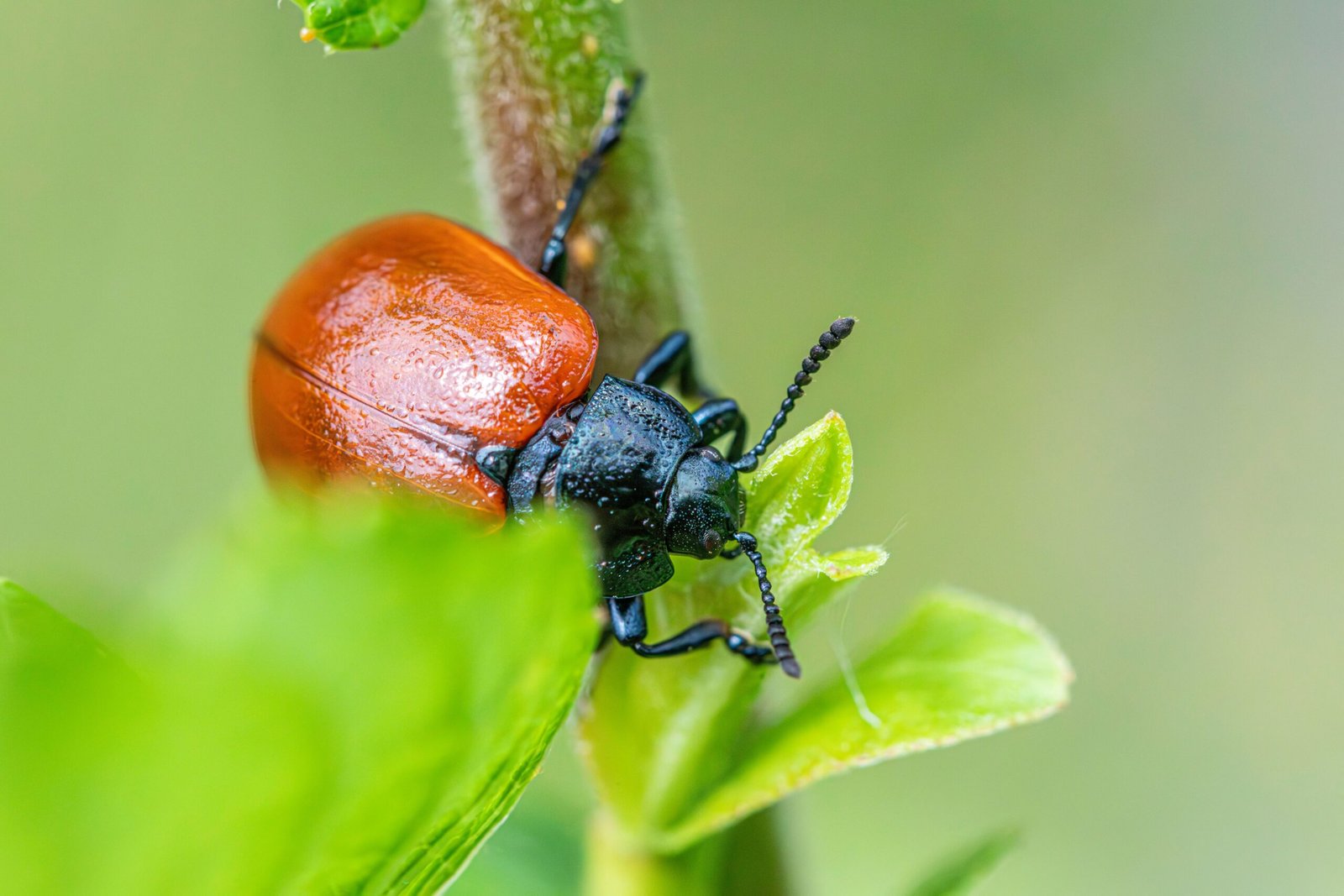
Introduction
A thriving garden is a source of pride for many homeowners. Whether you’re growing colorful flowers, fresh vegetables, or decorative shrubs, maintaining a healthy outdoor space requires ongoing attention and care. One of the most common challenges gardeners face is dealing with pests. Insects, rodents, and other unwanted visitors can damage plants, reduce harvests, and make it difficult for a garden to reach its full potential.
The good news is that effective pest management does not have to involve harsh chemicals or complicated techniques. By understanding common garden pests and using a combination of preventative measures and natural solutions, gardeners can protect their plants while maintaining a healthy ecosystem. The key is finding the right balance between control and preservation.
Understanding Common Garden Pests
Before taking action against pests, it is important to identify exactly what is causing the problem. Different pests require different management strategies, and treating the wrong issue can waste time and effort.
Aphids, caterpillars, slugs, beetles, and mites are among the most common garden pests. These insects often feed on leaves, stems, flowers, or roots, causing visible damage that can weaken plants over time. Rodents and larger animals may also become a problem by digging around roots or feeding on fruits and vegetables.
Regular garden inspections can help catch pest problems early. By examining leaves, checking beneath plants, and looking for signs such as chewed foliage or discoloration, gardeners can detect issues before they become severe. Early intervention is often the most effective method for preventing widespread damage.
Creating a Healthy Garden Environment
One of the most effective ways to manage pests is by creating conditions that promote strong, healthy plants. Healthy plants are generally more resistant to insect damage and disease than stressed or weakened ones.
Proper watering practices play a significant role in plant health. Overwatering can encourage fungal growth and attract certain pests, while underwatering can leave plants vulnerable to attack. Consistent watering schedules help maintain strong root systems and overall vitality.
Healthy soil is equally important. Adding compost, organic matter, and appropriate nutrients can improve soil quality and support plant growth. Mulching around plants can help regulate moisture levels and reduce weed competition.
Plant diversity can also reduce pest problems. A garden that contains a wide variety of flowers, herbs, vegetables, and shrubs is less likely to experience large-scale infestations because pests have a harder time spreading between different species.
Encouraging Beneficial Insects
Not all insects are harmful to gardens. In fact, many species help control pest populations naturally. Ladybugs, lacewings, praying mantises, and certain types of parasitic wasps feed on common garden pests and contribute to a balanced ecosystem.
Planting flowers that attract beneficial insects can be a simple yet highly effective strategy. Species such as marigolds, dill, yarrow, and sunflowers can encourage natural predators to visit and remain in the garden.
Avoiding unnecessary pesticide use is also important. Broad-spectrum pesticides can eliminate beneficial insects along with harmful ones, disrupting the natural balance of the garden. By encouraging beneficial species, gardeners can often reduce pest populations without requiring aggressive treatments.
Using Environmentally Friendly Pest Control Methods
When pest populations become difficult to manage naturally, environmentally friendly control methods can offer effective solutions. Handpicking insects, using insecticidal soaps, applying neem oil, and introducing biological controls are all common approaches that can minimize harm to the surrounding environment.
Physical barriers are another practical option. Row covers, netting, and fencing can protect plants from both insects and larger animals while allowing air and sunlight to reach growing crops.
For gardeners who prefer professional assistance, services such as Charlotte’s garden friendly pest removal may provide solutions that focus on reducing pest activity while minimizing impacts on beneficial insects and plant health. Professional guidance can be especially valuable when dealing with persistent infestations or identifying difficult-to-recognize pest problems.
Maintaining Consistent Garden Monitoring
Successful pest management is rarely a one-time task. Ongoing observation and maintenance are essential for preventing future infestations and addressing new problems quickly.
Setting aside time each week to inspect plants can make a significant difference. Look for unusual spots on leaves, holes in foliage, signs of feeding activity, or evidence of nesting insects. Regular pruning and removal of damaged plant material can also eliminate hiding places where pests often thrive.
Keeping the garden clean is another important preventive measure. Fallen fruit, dead leaves, and excess debris can attract unwanted pests and create ideal breeding conditions. A tidy garden is generally less appealing to many common pests and easier to monitor for emerging issues.
Conclusion
Managing pests in your garden requires a combination of prevention, observation, and thoughtful action. By understanding common pests, promoting healthy plant growth, encouraging beneficial insects, and using environmentally responsible control methods, gardeners can effectively protect their outdoor spaces. Consistent maintenance and early intervention are often the most valuable tools for long-term success. With the right approach, it is possible to enjoy a productive, beautiful garden while keeping pest problems under control throughout the growing season.
Read More at USA Times