 2Q Solutions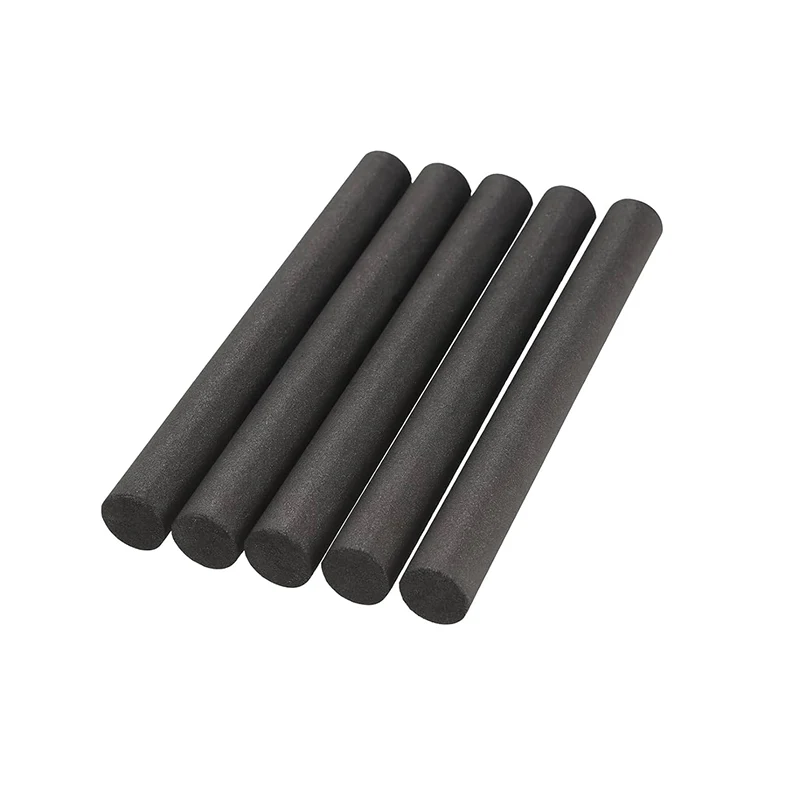
Selecting graphite rods for a specific industrial application involves more than ordering a component in the right physical dimensions. The specific grade, density, and purity level of the graphite used significantly affects how well a rod will actually perform under the real operating conditions of a given application, and getting this specification right matters far more than it might initially seem to someone unfamiliar with the material.
Start With a Clear Picture of the Actual Application
Before comparing specific graphite rod specifications, it helps to have an honest and detailed understanding of what the rod will actually be used for. Temperature range, exposure to specific chemicals, electrical requirements, and mechanical stress all significantly influence which graphite grade will actually perform reliably. Skipping this assessment and defaulting to a generic specification tends to lead to premature failure or underperformance once the rod is put into real, sustained use.
Density and Grain Structure Affect Performance Differently
Graphite rod density and grain structure affect properties like electrical conductivity, mechanical strength, and machinability in different ways depending on the specific application. Finer grain graphite generally offers better performance for precision applications like electrical discharge machining, while different density levels can affect how the material handles thermal cycling and mechanical stress over repeated use. Understanding how these characteristics relate to your specific application, rather than assuming higher density or finer grain is automatically better in every situation, leads to a more appropriate specification choice.
Temperature Requirements Deserve Careful Attention
Different graphite grades are rated for different maximum operating temperatures, and choosing a specification that does not adequately account for the actual peak temperatures involved in a given application can lead to premature material degradation or reduced performance over time. It is worth confirming not just the average operating temperature involved, but also any peak temperature conditions the rod might realistically be exposed to, since brief excursions above expected operating temperature can still cause real damage to an improperly specified component.
Electrical Conductivity Requirements for Specific Applications
For applications where electrical conductivity is a primary requirement, such as electrical discharge machining or certain electrode applications, confirming that a specific graphite grade meets the necessary conductivity requirements matters significantly, since conductivity can vary meaningfully between different grades and manufacturing processes.
Chemical Compatibility With the Specific Environment
For applications involving exposure to specific chemicals, confirming that the chosen graphite specification is genuinely compatible with those substances matters significantly, since chemical resistance can vary between different graphite grades. A specification that performs well in one chemical environment may not hold up as reliably in a different context, which makes this worth discussing specifically with a knowledgeable supplier.
Working With a Supplier Who Understands Your Application
Given how many variables affect proper graphite rod specification, working with a supplier who takes the time to genuinely understand your specific application, rather than simply fulfilling an order based on basic dimensional requirements alone, tends to lead to a much better outcome. A knowledgeable graphite rod supplier can often identify specification considerations that might not be obvious to someone outside the graphite materials field, adding real value beyond simply supplying a physical product.
Testing Before Full Scale Deployment
For critical applications, it is often worth requesting sample rods for testing under realistic conditions before committing to a full scale order. This kind of verification step can catch specification mismatches before they become an expensive problem across an entire production run, rather than discovering an issue only after rods have already been deployed across multiple pieces of equipment or processes.
Getting the Specification Right the First Time
Taking the time to properly assess operating conditions, understand material properties, and work closely with a knowledgeable supplier leads to a graphite rod specification that actually performs reliably for its intended application, rather than one chosen based on convenience or a generic assumption that all graphite rods perform similarly regardless of the specific demands placed on them.
Read More at USA Times