 Backlinks Hub
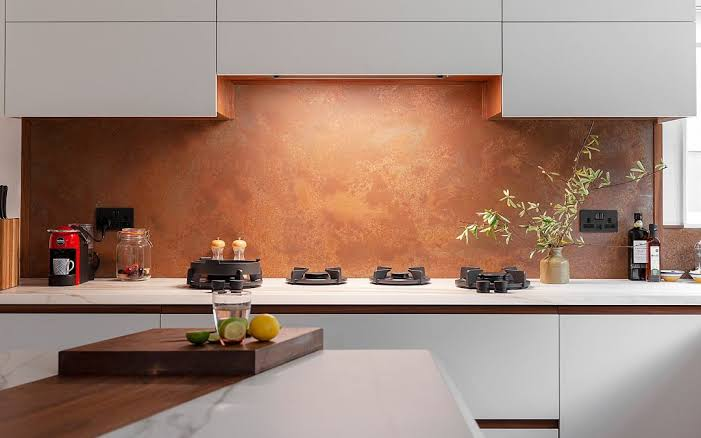
A kitchen can have good cabinets, a handsome worktop and well-chosen appliances, and still feel unfinished. Very often the missing piece is the wall space between the worktop and the wall units. That strip takes up a surprising share of what you see when you walk into the room, and the material you put there changes the whole mood.
Many homeowners now choose Glass Splashbacks for exactly this reason. Glass gives a clean, continuous surface that reflects light, suits a wide range of colours and works with almost any style of kitchen. Here is how it can change the look and feel of a modern kitchen, and what to think about before you commit.
Why the Wall Behind the Hob Matters
The area behind the hob and sink is the most visible part of the kitchen. It also gets the most splashes, steam and grease. A good splashback has to look right and cope with daily cooking.
Tiles, painted plaster and laminate panels all do the job, but each has drawbacks. Tiles come with grout lines that collect grime. Paint can stain and peel near heat. Glass offers a smooth face with no joins across the main run, so there is less for dirt to cling to and less to scrub.
Bringing in More Light
Light is one of the biggest benefits of glass in a modern kitchen. A glossy, reflective surface bounces daylight from windows and spreads the glow of under-cabinet lighting across the worktop. In a room with limited natural light, that can make a real difference to how bright the space feels.
Some ways to use this:
- Place the splashback opposite or beside a window so it picks up daylight.
- Pair it with LED strip lighting under wall units for an even wash of light.
- Choose lighter shades if the room is north-facing or on the small side.
Darker glass can look striking too, but it needs good lighting to avoid making the space feel closed in.
A Surface That Suits Busy Kitchens
Cooking is messy. Oil spits, sauces bubble over and steam settles on the walls. A smooth glass panel can usually be wiped clean with a cloth and a mild cleaner, which saves time compared with scrubbing grout.
Most kitchen glass is toughened, which means it is treated to cope with heat and everyday knocks. Even so, it is sensible to check the specification for any product you are considering. Ask the supplier how the panel should be installed near a gas hob and what clearances apply. Never assume; the details depend on the product and your appliance.
Colour and Finish: More Choice Than You Might Expect
One of the pleasures of glass is the range of looks it can deliver. You are not limited to a single shade or pattern.
Solid Colours
Plain painted-back glass suits minimalist and contemporary kitchens. White and soft grey give a calm, uncluttered feel. Deep blues, greens and charcoals add drama and work well against pale cabinets. If your cabinets are already bold, a neutral splashback keeps the room balanced.
Patterns and Printed Designs
Glass can also carry a printed image or pattern, from subtle texture to large botanical or abstract designs. This is a good route if you want one feature wall in an otherwise simple kitchen. Keep the rest of the room quiet so the design stands out.
Metallic and Mirrored Effects
Metallic or mirror-effect glass adds depth and sparkle. It suits kitchens that lean towards a glamorous or industrial look. These finishes can show fingerprints and splashes more readily, so think about how much wiping you are happy to do.
Fitting Glass to Your Kitchen Layout
Every kitchen is shaped differently, and the splashback should respond to that rather than fight it.
Galley and Narrow Kitchens
In a narrow galley kitchen, a pale reflective splashback can stretch the sense of width. Running it up to the underside of the wall units, or even to the ceiling behind a hob, gives a tall, clean line that draws the eye upward.
Open-Plan Kitchens
When the kitchen opens into a living or dining area, the splashback becomes part of the wider room. Choose a colour that links to the furniture, flooring or soft furnishings nearby. A calm tone usually works better than a loud one, because the kitchen is on show from the sofa.
Kitchens With Awkward Walls
Sockets, switches, window reveals and uneven corners are common in real homes. A Kitchen Splashbacks supplier who cuts glass to your own measurements can account for these details, so the finished panel looks tidy rather than patched together. A made to measure splashback also avoids the awkward cuts that standard-sized sheets can force, which is helpful when your walls are not perfectly square.
Matching Glass With Other Materials
Glass behaves differently depending on what sits beside it.
- Stone and quartz worktops: A plain glass backdrop lets natural veining take centre stage.
- Timber: Warm wooden cabinets pair well with cool blue or green glass for contrast.
- Matt cabinets: A glossy splashback adds a pleasing change in texture.
- Metal handles and taps: Choose a glass tone that flatters the metal, such as soft white with brushed brass or dark grey with chrome.
The aim is balance. If the worktop is busy, keep the glass simple. If the cabinets are plain, the glass can carry more personality.
Practical Points Before You Decide
A few sensible checks save disappointment later.
- Measure carefully, or have the supplier measure. Small errors matter with a rigid panel.
- Check the wall. The surface needs to be sound and flat enough for fixing.
- Look at samples in your own light. Colours shift between showroom lighting, daylight and evening bulbs.
- Plan around fixtures. Know where sockets and switches sit before the glass is cut.
- Ask about care. Confirm which cleaning products suit the finish.
It is also worth thinking about how long you plan to stay in the house. A colour you love now may need to appeal to future buyers, so a classic tone can be the safer choice if you expect to sell.
Keeping the Look Fresh
Glass tends to age well because it does not fade, stain or crack in the way some other wall finishes can. Regular wiping keeps it looking new. Avoid abrasive pads that could scratch, and dry the surface after cleaning if you want to avoid streaks.
If you eventually fancy a change, the splashback can be updated without redoing the entire kitchen. That makes it a useful place to experiment with colour at moderate cost compared with replacing cabinets or worktops.
Final Thoughts
The wall behind your worktop is small in size but large in impact. Glass brings light, a smooth easy-clean face and plenty of design choice, which is why it suits so many modern kitchens. Think about your layout, your lighting and the materials around it, take time to view samples, and measure with care. Do that, and the splashback can lift the entire room, making it brighter, more cohesive and easier to live with every day.