 admin
admin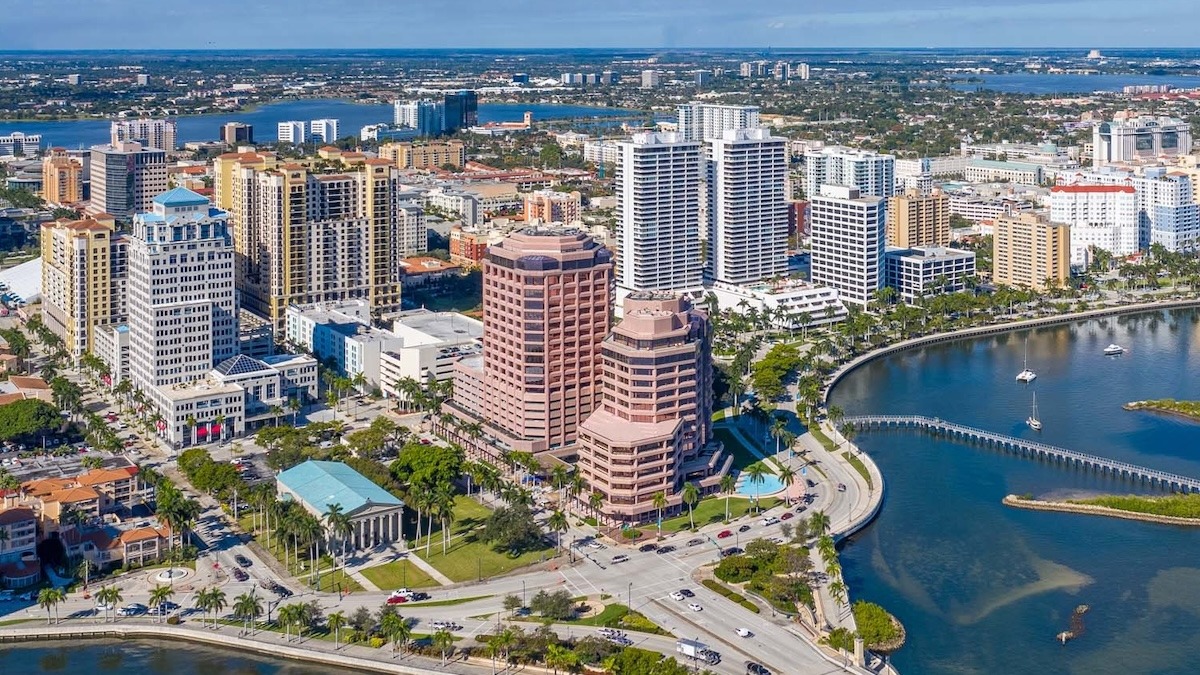
West Palm Beach, Florida, offers a dynamic mix of downtown energy, waterfront living, and easy access to the Intracoastal Waterway and Atlantic beaches. Yet the same subtropical environment that makes the area appealing—warm temperatures, abundant rainfall, and persistent coastal humidity—also creates prime conditions for mold growth. Hidden behind drywall, in crawl spaces, or inside HVAC ducts, mold can quickly escalate from a minor annoyance into a costly structural threat and health concern for residents.
Choosing the right mold remediation company in West Palm Beach demands extra care. Florida enforces some of the nation’s toughest regulations on this work, and cutting corners can spread contamination or complicate insurance claims. This guide walks you through everything locals need to know, from regional risks to proven hiring strategies, all updated for current 2026 realities.
Why Mold Hits West Palm Beach Homes Harder
Palm Beach County’s coastal location amplifies moisture challenges. Year-round humidity often hovers between 70% and 90%, while seasonal storms and hurricanes deliver sudden water intrusion that lingers in walls and under floors. Post-storm conditions are especially risky: mold colonies can begin forming within just 24–48 hours if wet materials aren’t dried immediately.
Frequent culprits in West Palm Beach include Stachybotrys chartarum (black mold), Aspergillus, Penicillium, and Cladosporium. These thrive in the area’s enclosed high-rises, older waterfront homes, and tightly sealed modern constructions where AC systems struggle against outdoor moisture. Visible signs—musty smells, discolored patches, or unexplained respiratory issues—signal the need for prompt action. Small patches under 10 square feet may be manageable with DIY methods and proper safety gear, but anything larger or concealed requires certified experts to avoid cross-contamination throughout the property.
Florida’s Rigorous Mold Licensing Rules Every WPB Homeowner Must Follow
State law treats mold assessment and remediation as licensed professions for any job exceeding 10 square feet. Chapter 468, Part XVI of the Florida Statutes, administered by the Department of Business and Professional Regulation (DBPR), mandates separate credentials for assessors and remediators to prevent conflicts of interest.
- Licensed Mold Assessor: Handles inspections, sampling, moisture detection, and detailed remediation protocols.
- Licensed Mold Remediator: Executes the physical cleanup, removal, and restoration.
Licenses require passing a DBPR-approved exam, meeting education and experience thresholds (such as an associate degree plus one year of relevant field work or a high school diploma plus four years), maintaining at least $1 million in general liability insurance, and clearing a background check. Always hire an independent assessor first—never the same firm (or an affiliated one) for both assessment and remediation.
Quick license check (takes under two minutes): Visit myfloridalicense.com, select the Mold-Related Services portal, and search by company or individual name. Confirm active status, any complaints, and expiration date. Unlicensed work violates state law, risks voiding your insurance payout, and offers zero consumer protection.
Proven Step-by-Step Process for Hiring in West Palm Beach
Follow this streamlined approach to secure quality service without overpaying or risking incomplete work.
- Begin with an Independent Licensed Assessment
Engage a DBPR-licensed mold assessor for a full-site evaluation, including infrared moisture scanning, air and surface sampling where warranted, and a written protocol outlining the exact scope. This document becomes your blueprint and protects you during insurance negotiations. Budget a few hundred dollars upfront—it’s the smartest investment you’ll make. - Identify Qualified Local Remediators
Search “West Palm Beach mold remediation” on reputable platforms like Angi, Thumbtack, or Google. Narrow to firms that:- Hold a current DBPR Mold Remediator license.
- Carry IICRC S520 certification—the nationally recognized ANSI standard for safe, effective mold removal.
- Demonstrate hands-on experience with South Florida’s unique mix of coastal flooding, high-rise condos, and hurricane-related claims.
- Maintain full insurance coverage, including workers’ compensation.
- Collect and Compare at Least Three Detailed Bids
Provide each candidate with your assessor’s protocol and request itemized written estimates covering containment strategies, material disposal, drying equipment, and post-job clearance testing. - Vet References and Local Track Record
Request recent references from West Palm Beach or nearby Palm Beach County jobs. Scan current reviews specifically mentioning communication during storm-season rushes, thorough attic or HVAC work, and final cleanup quality. - Scrutinize the Contract Line by Line
The agreement must align precisely with the assessor’s protocol and include:- Containment methods (negative air pressure, HEPA filtration, physical barriers).
- Clear timelines, disposal protocols, and independent post-remediation verification.
- Workmanship warranty (1–5 years typical).
- Payment terms—never full upfront.
Smart Questions to Ask Every Prospective Company
- Can you provide your current DBPR Mold Remediator license number and proof of $1 million liability insurance?
- Which standards guide your work—IICRC S520, EPA guidelines, or others?
- How do you prevent spore migration during the job, especially in multi-unit buildings common in West Palm Beach?
- Will you supply before-and-after documentation plus independent clearance testing?
- Have you managed insurance claims involving hurricane or flood damage in Palm Beach County?
- What steps will you take to eliminate the original moisture source rather than just treat symptoms?
Warning Signs That Should Send You Running
- “Free” inspections that instantly pivot to high-pressure sales for remediation.
- Firms unable or unwilling to show active Florida licensing.
- Quotes dramatically lower than competitors without clear justification.
- Vague plans that skip containment, drying verification, or post-job testing.
- Companies pushing immediate start dates before you’ve reviewed a written protocol.
- Multiple unresolved complaints on the DBPR site or recent negative local reviews.
What a Professional West Palm Beach Remediation Job Actually Involves
Expect a structured, contained process that prioritizes safety and thoroughness:
- Isolation — The work area is sealed with plastic sheeting and placed under negative air pressure using HEPA-filtered machines.
- Source Removal — All porous materials (drywall, insulation, carpet) harboring mold are physically removed and properly disposed of.
- Surface Treatment — Non-porous areas receive HEPA vacuuming and EPA-registered antimicrobials.
- Drying and Source Correction — Industrial dehumidifiers and air movers eliminate residual moisture while the underlying leak, ventilation shortfall, or AC issue is fixed.
- Verification — An independent licensed assessor returns to confirm mold levels have returned to normal background ranges.
Jobs typically wrap up in a few days to a couple of weeks, depending on extent.
Realistic Cost Ranges for West Palm Beach in 2026
South Florida pricing tends to run 15–30% above national averages because of higher labor costs, frequent storm damage, and the complexities of urban and waterfront properties. Most residential jobs fall between $1,500 and $6,000, with many moderate cases landing around $3,000–$4,500. Per-square-foot rates generally run $10–$25 (sometimes up to $30 in hard-to-reach spots). Whole-home or extensive structural work after major flooding can climb to $10,000–$30,000+.
Factors that push mold remediation costs higher in West Palm Beach typically include attic or HVAC involvement, high-rise access restrictions, and the need for specialized containment in condo associations. Review your homeowner’s or flood insurance policy early—sudden water events are often covered, but long-term neglect usually isn’t. Keep meticulous records and photos to support any claim.
Practical Prevention Strategies Tailored to West Palm Beach Living
Once the job is complete, stay ahead of recurrence with these local habits:
- Maintain indoor humidity below 50% using dehumidifiers and well-serviced AC systems.
- Schedule annual HVAC inspections and change filters monthly during humid months.
- Address roof, window, or plumbing leaks the same day they appear—especially critical after tropical storms.
- Improve ventilation in bathrooms, kitchens, and laundry rooms.
- In condos or townhomes, coordinate with associations on shared wall or roof issues.
- Consider mold-resistant paints or materials during any renovations.
Your Next Steps for a Healthier Home
Finding trusted professionals for a West Palm Beach mold remediation project is often more than a water leak repair—it’s an investment in your family’s well-being and your property’s long-term value. By insisting on fully licensed, IICRC-certified professionals who respect Florida’s separation-of-duties rule and local environmental realities, you’ll avoid costly mistakes and enjoy lasting results.
If you spot potential mold or have post-storm concerns, reach out to a licensed assessor right away. Early intervention saves money, minimizes disruption, and protects what matters most. For the latest licensing details, head straight to myfloridalicense.com. Here’s to breathing easier in beautiful West Palm Beach—mold-free and worry-free, for years to come.
Read More USA Times