 2Q Solutions
Every product that leaves a workshop or factory has to be packed before it reaches the customer. For a small shop wrapping a few dozen items a day, doing it by hand can feel perfectly fine. But as orders grow, hand wrapping starts to slow everything down. Some packs come out tight, others loose, and the film is often wasted. This is the point where many businesses begin to look at an automatic wrapping machine as a practical next step.
What an Automatic Wrapping Machine Actually Does
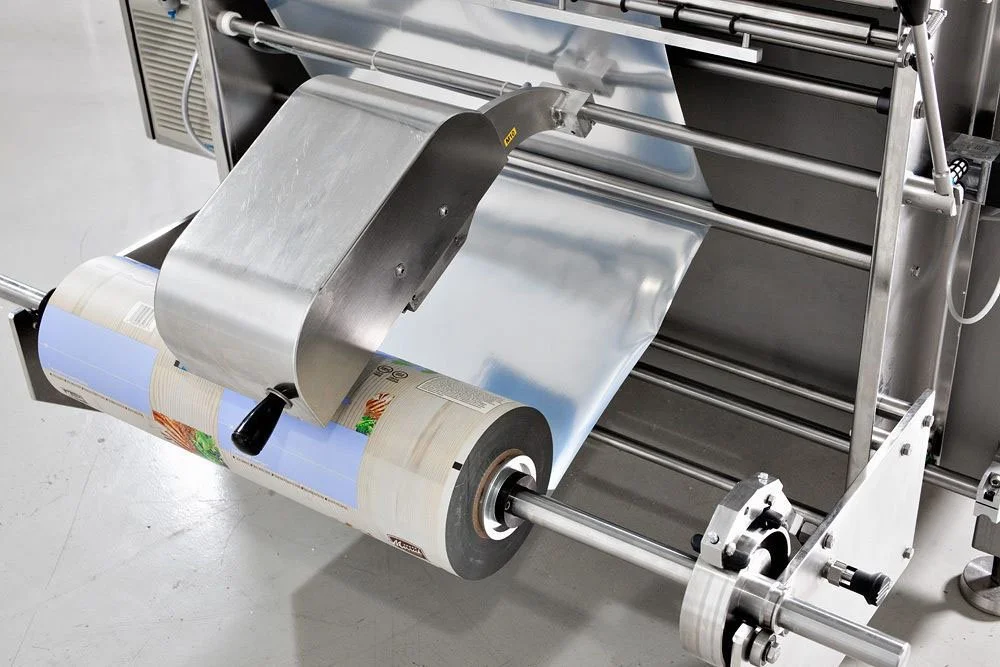
In simple terms, an automatic wrapping machine feeds a product through a station where a plastic film is cut to size, folded around the item, and sealed. Depending on the design, the sealing can be done with heat, and some models then pass the pack through a heat tunnel so the film shrinks and fits snugly. The operator mainly loads products, sets the machine, and keeps an eye on the film supply, while the machine repeats the same motion again and again.
The most important word in that description is repeat. A person can wrap a very neat parcel, but keeping the same quality after several hours is hard. A machine does not get tired, so the first pack and the thousandth pack look almost the same.
Main Benefits for Your Business
Consistent appearance. Customers judge a product partly by how it looks. A clean, evenly sealed wrap suggests care and quality, and it helps your goods look good on a shelf or in an online order.
Higher output. Machines work at a steady pace that is difficult to match by hand. Speeds vary a lot from one model to another, so it is wise to check the rated capacity before buying and to compare it with your real daily volume.
Less film waste. Because the film is cut to a set length, there is less guesswork. Over a year, even a small reduction in wasted film can save a noticeable amount of money.
Protection during handling. A wrapped product is better protected from dust, handling marks and light moisture during storage and transport. It also shows if a pack has been opened, which gives buyers some confidence.
Lower dependence on manual labour. Staff can be moved to inspection, loading or other tasks that really need human attention.
Products That Are Commonly Wrapped
Wrapping machines are used in many ordinary industries. You will see them with boxed goods, books and stationery, cosmetics, bottles and cartons, cleaning products, hardware items and many kinds of packed food. The exact product range a given machine can handle depends on its size, its film width and the way the product is fed in, so always confirm this with the supplier.
Things to Check Before You Buy
Buying a machine is a long term decision, so a little homework pays off.
- Product size range. Measure the smallest and largest items you plan to wrap, including height, and make sure the machine’s limits cover them.
- Film type. Different machines are built for different films. Ask which materials and thicknesses are supported.
- Speed you really need. Choose a capacity that matches your present volume and leaves some room to grow, instead of paying for far more than you will use.
- Available space and power. Check the floor area, the power supply and whether a heat tunnel needs extra room.
- Ease of changeover. If you wrap several product sizes, find out how long it takes to adjust the machine between them.
- After sales support. Spare parts, a clear manual and a responsive supplier matter as much as the machine itself.
Looking After the Machine
Good habits keep a wrapping machine reliable. Clean the sealing area regularly so that residue does not build up, follow the maker’s advice on lubrication, and replace worn parts before they fail. Operators should be trained to use guards and emergency stops properly. A few minutes of care at the start of each shift usually prevents long stoppages later.
Is It the Right Time to Upgrade?
A few signs suggest it may be time to move away from manual wrapping: orders are being delayed because packing is slow, quality changes from one worker to another, film costs keep rising, or customers have mentioned untidy packaging. If two or more of these sound familiar, it is worth comparing machines and asking for detailed specifications.
Choosing equipment is easier when you can see real technical details, so take your time to read product pages carefully and ask questions before you decide. You can start by looking at the options for an automatic wrapping machine and checking whether the listed features fit your products and daily volume.
Final Thoughts
Automation in packaging is not only about speed. It is about delivering the same neat result every time, using materials sensibly and giving your team more time for work that matters. With a clear idea of your products, your volume and your budget, you can pick a wrapping machine that supports your business for years to come.