 2Q Solutions
Graphite parts look simple. A plate, a rod or a crucible seems like a plain block of dark material. In reality the performance of these parts depends on the grade of graphite, the way it is machined and the quality checks behind it. A poor part can crack, wear out early or ruin a production run. That is why choosing a reliable graphite supplier is one of the most important steps in any purchase. This checklist explains what to look for, using the published company profile of Haoxing Graphite as a real example.
Why graphite is used in industry
Graphite is a form of carbon with some special properties. It conducts heat and electricity well, it can withstand very high temperatures in a protected atmosphere, and it is easy to machine into precise shapes. These traits make it useful in metallurgy, electronics, aerospace and other fields. One thing to remember is that in open air graphite oxidizes at high temperatures, so the working environment matters. A good supplier can advise you on this.
Check experience and history
Experience matters because graphite machining has many small details. Haoxing Graphite states that it was founded in 2006, which is over twenty years of production experience. The company describes milestones along the way. In 2012 it expanded production lines and equipment to improve supply capacity. In 2018 it completed a standardized production base. These steps show a path of growth, and when you evaluate any supplier you should ask for a similar story of how they developed.
Look for certifications
Certificates do not guarantee perfection, but they show a supplier has a formal system in place. Haoxing states that it passed ISO9001 quality management system certification in 2021 and that it was recognized as a National High tech Enterprise in 2023, with several utility model patents authorized. Ask any supplier to show copies of their certificates, and check that the names and dates match.
Ask about equipment and testing
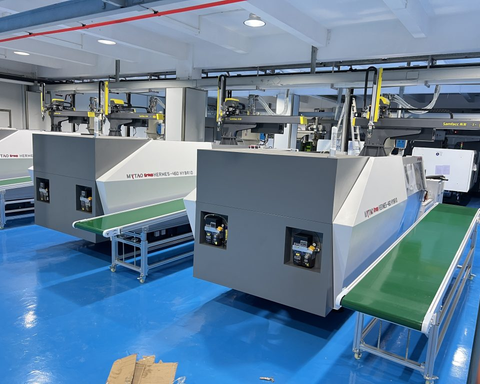
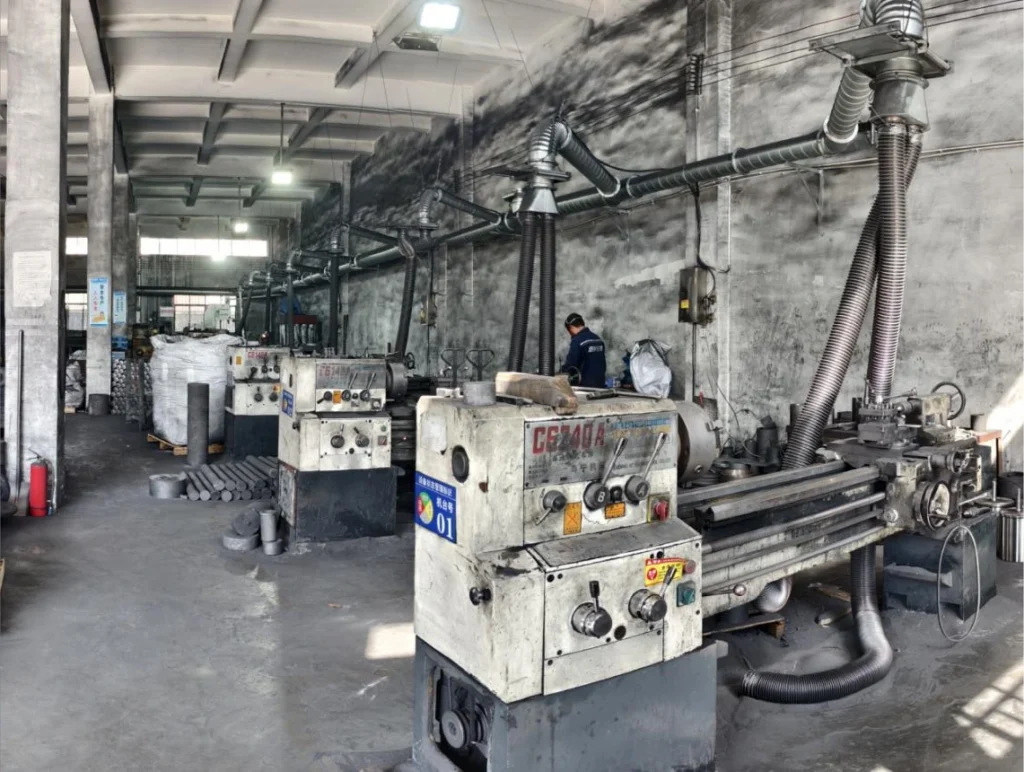
A supplier should be able to explain how parts are made and checked. Haoxing says its 20,000 square meter facility is equipped with CNC lathes, milling machines and drilling equipment. For quality control it lists coordinate measuring machines, airtightness testers and hardness testers. Measuring tools like these matter because graphite parts often need tight tolerances, and some, such as crucibles and molds, must also be free from leaks or weak spots.
When you talk to a supplier, ask what is measured on every batch and whether inspection reports can be supplied with your order.
Check the product range
A supplier with a wide range can often handle several of your needs. Haoxing lists graphite plates, rods, blocks, molds, rotors, crucibles, bearings, rings and tubes. Its website also lists graphite impellers, heating elements and ceramic refractory materials. A broad range does not automatically mean high quality, but it does suggest a flexible production capability.
Ask about customization
Many projects need parts made to a drawing. The company says it offers OEM and ODM solutions, with engineers working with the customer from the design stage. It also says it helps customers choose the right graphite type based on density, particle size and hardness. This is an important service. The wrong grade for the job can fail quickly, so a supplier who asks questions about your application is usually a good sign.
Look at packaging and shipping
Graphite is brittle, so it can chip or crack in transit. Haoxing says it packs products in strong plywood boxes without fumigation, with foam or similar shock absorbing material inside, and that it ships through logistics partners to more than 50 countries. When comparing suppliers, ask how fragile parts are protected, what documents are provided and how delivery is tracked.
Check export experience
If you are buying across borders, export experience helps. The company states that it serves over 50 countries. Ask about experience with your own region, the usual lead times and the payment and delivery terms that apply.
Communicate and request samples
A professional supplier answers questions clearly and promptly. Send your drawing or specification and see how they respond. Do they ask about operating temperature, atmosphere, load and finish? Request a sample or a small trial order before a large purchase. Inspect dimensions, surface finish and any markings, and test the part in real conditions.
Haoxing lists an email address and phone numbers on its website, and it also offers factory tours by request. Visiting or arranging a virtual tour is a good way to see how a supplier really works.
Do not choose by price alone
A low quote can be tempting, but graphite is a material where quality varies widely. Cheaper parts may use lower density material or have looser tolerances. Compare the full picture, including quality documents, lead time, packaging and after sales response.
A simple summary
Choose a supplier that has real experience, relevant certificates, proper machines and testing, a useful product range, customization ability and careful packaging. Ask questions, request samples and compare evidence. A little effort at the start will protect your production later.