
 admin
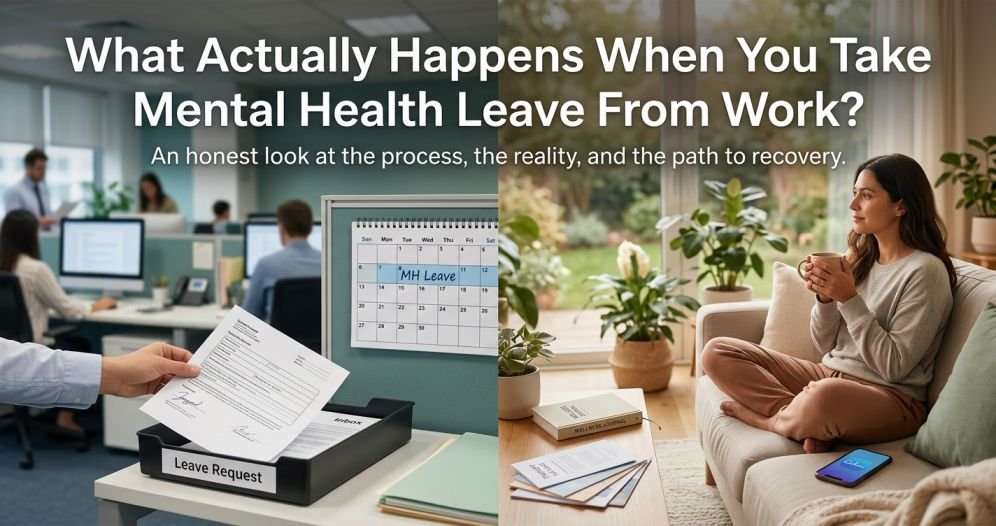
Taking time away from work for mental health reasons can involve far more than telling a manager you need a break. Depending on the employee, employer and health condition, the process may involve human resources, medical certification, federal or state leave protections, employer benefits and a plan for eventually returning to work.
The details vary considerably, but understanding the basic process can make it easier to separate formal medical leave from vacation time or an informal absence. It can also help employees ask better questions before making decisions about their jobs, income and treatment.
Start With Your Eligibility
The Family and Medical Leave Act, or FMLA, provides eligible employees of covered employers with up to 12 workweeks of unpaid, job-protected leave during a 12-month period for certain qualifying reasons. A serious mental health condition can qualify when FMLA requirements are met, but having a diagnosis does not automatically make every employee eligible.
For workers considering an extended absence, knowing mental health FMLA rules can help clarify what protections may apply. Eligibility generally depends on factors including how long the employee has worked for the employer, the number of hours worked and whether the employer is covered by the law. State laws and employer policies may provide different or additional benefits.
FMLA also does not automatically mean paid leave. An employee may be able to use available paid leave concurrently or have access to other employer benefits, depending on the circumstances and applicable policies.
Expect Some Paperwork
Employees generally start the formal process by notifying their employer that leave may be needed. They do not necessarily have to walk into a manager’s office and provide a detailed account of their mental health history. What matters is providing enough information for the employer to recognize that the absence may qualify for protected leave.
Employers may request medical certification from an appropriate health care provider. That documentation can establish that a serious health condition exists and provide information related to the need for leave. Employees should pay attention to deadlines for returning requested paperwork because incomplete or late documentation can complicate the process.
Human resources can also explain practical details such as how health insurance premiums are handled, whether available paid time will run concurrently with leave and what employees must do if the expected duration of the absence changes.
Leave May Look Different
Mental health leave does not always mean disappearing from work for several consecutive months. When medically necessary and otherwise permitted under FMLA rules, eligible employees may use leave intermittently or work a reduced schedule for a qualifying serious health condition.
That distinction can matter for people who need recurring treatment. Someone might require periodic appointments or blocks of time for a treatment program rather than one continuous absence. The appropriate arrangement depends on medical need as well as the protections and policies that apply to the employee.
Employees should also distinguish leave from workplace accommodations. The Americans with Disabilities Act may require covered employers to provide reasonable accommodations to qualified employees with disabilities in certain circumstances. Leave and accommodations are related workplace issues, but they operate under different legal standards.
Use Time for Treatment
A leave of absence can create room for more consistent treatment when symptoms have become difficult to manage alongside normal work responsibilities. Depending on individual needs, care might include outpatient therapy, psychiatric treatment, medication management, an intensive outpatient program or a partial hospitalization program.
Conditions involving mental health and addiction, for example are sometimes treated through programs offering several types of clinical support rather than relying on a single weekly appointment. The appropriate level of treatment depends on the individual’s condition, symptoms, safety and ability to function, so those decisions are best made with qualified health professionals.
Time away can also remove some logistical barriers to care. A person who previously struggled to fit appointments around meetings, shifts or travel may have greater flexibility to participate consistently. The objective is not simply to stop working for a period, but to address the health issue that made leave necessary.
Prepare for Your Return
Returning to work can involve another round of communication with an employer. Depending on the circumstances and the employer’s policies, an employee may need to provide documentation related to the ability to resume work. Someone who needs continuing treatment or changes to workplace conditions may also need to discuss available accommodations separately.
Planning ahead can make the transition easier. Before returning, employees can clarify their schedule, identify upcoming medical appointments and understand what information must be provided to human resources. They can also discuss with their treatment provider whether immediately resuming the previous workload is appropriate.
Mental health leave is ultimately a health and employment process, not simply an extended break. Understanding eligibility, completing required documentation and using the time for appropriate care can help employees navigate the absence while protecting their interests and preparing for a more sustainable return to work.