 Sky Bloom IT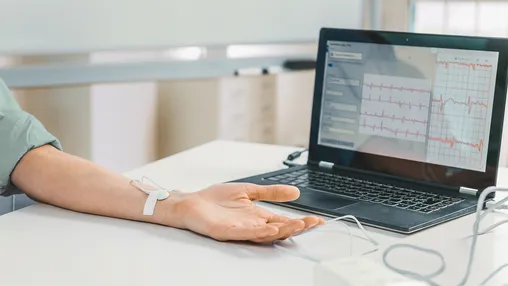
In the United States, physical therapists at insurance-based clinics spend hours each week filing, following up on, and appealing claims. The time they waste haggling with companies takes away from patient care. It’s maddening and time-consuming, but often necessary to ensure patients get the treatment they need.
Recently, one technology-forward clinic found a way to help its physical therapists spend less time on paperwork and more time with patients: digital biofeedback devices and equipment. Here’s how the clinic uses biofeedback tools to streamline claims filing and reduce denials.
The Problem: Claims Filed & Denied
For years, the clinic’s physical therapists struggled to convince companies to cover additional sessions for their patients. Because just under half of the clinic’s business is insurance-based, the physical therapists often wasted time going back and forth with companies. After a claim was denied, they gathered additional evidence, resubmitted the claim, and waited for the company to approve, partially approve, or deny the appeal.
In addition to squandering valuable time, the frequent denials put patients’ health at risk. Many of the clinic’s physical therapists were concerned that, because so many companies refused to cover additional sessions, they were discharging patients prematurely. By doing so, they worried patients were returning to their lives vulnerable to reinjury.
The Solution: Biofeedback Devices Deliver Objective Data
The physical therapists knew their progress notes to companies would be stronger with objective data. To get that data, they purchased digital devices that generate numerical data about strength, balance, power, peak force, fatigue, and symmetry. Data is sent to a connected app that generates clear, easy-to-understand graphs and reports.
The quantitative data supports physical therapists’ decisions and gives them confidence they are providing the best possible care. They also share the data with their patients to keep them engaged in the process. The numbers show their progress and can make it clear when deficiencies remain. As a result, when patients are discharged, they return to their lives and sports confident and fully healed.
The Results: More Approvals, More Time for Patients
Once physical therapists started including biofeedback data and reporting it in claims to justify additional sessions, approvals increased. As a result, the clinic’s patients now get the care they need with less back-and-forth and without paying out of pocket. Since the clinic first started using the force plates, its patients have saved thousands of dollars in out-of-pocket costs.
As an added benefit, the clinic can now bill companies using CPT code 97750 when it uses the force plates. Because the reimbursement rate is higher than the standard code, the clinic gets more money back to invest in tools and therapies for its patients.