Backlinks Hub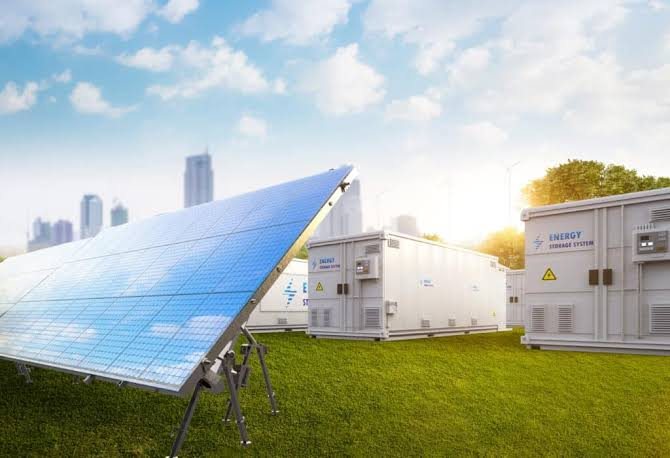
Electricity bills keep climbing and grids keep getting shakier, so businesses everywhere are looking for ways to take back control of their energy costs. That’s where a Commercial Energy Storage System comes in. Whether you run a factory, a data center, or a retail chain, storing energy on-site is quickly becoming one of the smartest financial decisions a business can make.
What Is a Commercial Energy Storage System?
A commercial energy storage system stores electricity — usually from solar panels or off-peak grid power — and releases it later when needed most. Unlike small residential batteries, commercial systems handle far larger loads, ranging from tens of kilowatt-hours to several megawatt-hours.
Most use lithium iron phosphate (LiFePO4) cells, valued for thermal stability, long cycle life, and low fire risk. They’re typically paired with an energy management system (EMS) and battery management system (BMS) that monitor performance and flag issues before they cause downtime.
How It Differs From a Home Energy Storage System
A Home Energy Storage System is built for a single household — usually a few kWh up to around 30 kWh, enough to power essentials during an outage or store solar for evening use. A commercial system must support much heavier loads: production lines, HVAC, servers, and refrigeration running simultaneously. This means industrial-grade enclosures, advanced cooling, stronger fire suppression, and the ability to connect multiple units for larger capacity.
Why Businesses Are Investing in Energy Storage
Cutting electricity costs. Utilities often charge steep demand charges for peak usage and higher time-of-use rates. A storage system charges when power is cheap and discharges during expensive peak periods, lowering monthly bills through peak shaving.
Reliable backup power. Outages can halt production or spoil inventory. A commercial energy storage system can switch to backup power within milliseconds, avoiding the noise, fuel costs, and upkeep of a diesel generator.
Supporting solar investments. Solar only generates power during daylight. Storage captures excess generation for use at night, maximizing self-consumption and reducing grid dependence.
Scalability. Most systems are modular, letting a business start small and expand capacity later by adding battery cabinets, rather than replacing the whole system as needs grow.
Key Features to Look For
Battery chemistry and safety. LiFePO4 is the industry standard, often rated for 6,000–8,000+ cycles. Look for CE, UN38.3, and IEC 62619 certifications, plus thermal runaway protection.
Cooling and protection. Air cooling suits moderate capacities; liquid cooling offers tighter control for high-cycle applications. An IP54/IP55 rating matters for outdoor or humid installations.
Monitoring. A strong system lets facility managers track charge state, faults, and energy flow remotely via app or dashboard, with predictive alerts before small issues become downtime.
Compatibility. Confirm the system supports your existing inverter and building management protocols (RS485, RS232, CAN) to avoid integration headaches.
Common Applications
- Manufacturing – avoiding demand charges, keeping lines running during outages
- Data centers – protecting servers from even momentary interruptions
- Telecom – keeping base stations online in grid-unstable areas
- Retail and commercial buildings – peak shaving and supporting on-site solar
- Utility projects – large containerized systems stabilizing grid frequency
Home Energy Storage System: A Complementary Solution
The same battery technology also powers residential setups. A Home Energy Storage System typically ranges from 2.5 kWh to 30 kWh, fitting into a garage or utility room. Homeowners use it for solar self-consumption, outage protection, and lower bills through time-of-use management — the same core benefits as commercial systems, just sized for a household.
Choosing the Right System
The right commercial energy storage system depends on your peak load, local utility rates, existing solar generation, and required backup runtime. Reviewing 12 months of utility bills to identify demand charges and peak usage windows makes sizing far easier than guessing. Choose a supplier offering modular, scalable configurations so the system can grow alongside your business.
Final Thoughts
Energy storage is no longer niche — it’s becoming standard practice for managing cost, risk, and sustainability. A well-chosen commercial energy storage system lowers bills, protects against outages, and makes better use of solar power, while a Home Energy Storage System brings those same advantages to residential use. Businesses investing in storage now are setting themselves up for more predictable costs and greater energy independence ahead.