 Backlinks Hub
Packaging efficiency can make or break a production line. For businesses handling bottles, sachets, cosmetics, or pharmaceuticals, a carton box packing machine is often the difference between a bottleneck and a smooth-running operation. This guide breaks down what these machines do, how they work, and what to consider before choosing one.
What Is a Carton Box Packing Machine?
A carton box packing machine automates the process of loading products into cartons and sealing them shut. The process generally involves two stages: forming the carton and filling it, followed by folding and sealing the flaps for a secure, tamper-resistant finish.
These machines are widely used across food and beverage, pharmaceutical, cosmetic, and industrial supply industries, largely because manual carton packing simply cannot keep pace with modern production speeds.
Common Machine Types
Carton box packing machines generally fall into a few categories:
- Cartoning machines – load products into cartons with high-speed, precise operation
- Case packers – handle multiple products into larger cartons at once
- Case sealers – seal filled cartons securely and consistently
- Case erectors – assemble flat carton blanks into ready-to-fill boxes
- Tray forming machines – construct trays for products needing open or semi-open packaging
Some suppliers also offer complete case packing lines, combining several of these machines into a single automated workflow from erecting through sealing.
Vertical vs Horizontal Carton Packing Machines
Choosing between a vertical and horizontal setup depends heavily on the product being packed.
Vertical Carton Packing Machines
Vertical machines feed cartons from the top and work well for products that can be loaded by gravity, such as sachets, small bottles, or vials. They tend to have a smaller footprint and a faster in-feed system, making them a practical choice for compact production spaces.
Horizontal Carton Packing Machines
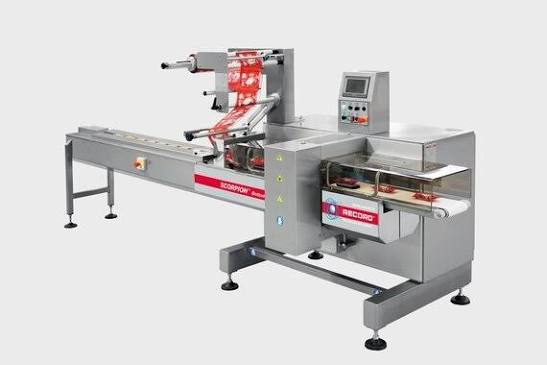
Horizontal machines load products from the side and are built for high-speed, continuous operation. They’re commonly used for products with a stable base, such as cereal boxes, food pouches, or coffee packs, where consistent high throughput matters most.
Key Parts of a Carton Packing Machine
Understanding the core components helps when evaluating machine quality:
- Control panel – houses the PLC and human-machine interface for setting and monitoring packaging parameters
- Gear and electric systems – convert electrical energy into the mechanical force driving conveyors and carton pressing
- Pneumatic system – includes the carton storage area and vacuum suction that erects blanks
- Lubrication system – protects gears, bearings, and belts from wear
- Safety system – includes emergency shut-off controls for operator protection
Why Businesses Choose Automated Carton Packing
Manual packaging introduces inconsistency, slower output, and higher long-term labor costs. Automated carton box packing machines address these issues directly by offering:
- Faster, non-stop production without operator fatigue
- Consistent, tamper-evident sealing
- Reduced product damage during handling
- Flexibility to pack multiple product lines with minimal changeover
Choosing the Right Carton Box Packing Machine
A few factors should guide the decision-making process:
Product type matters first. Granular or loose products typically suit vertical machines, while items with a stable base are better handled by horizontal systems.
Production speed and budget should align with your actual output requirements, not just current demand, since scaling up later can be costly if the machine isn’t built for it.
Supplier reliability is just as important as the machine itself. Look for manufacturers offering after-sales support, spare parts availability, and customization options for labeling, coding, or non-standard carton sizes.
Maintenance for Long-Term Performance
Routine maintenance keeps carton packing machines running efficiently and extends their lifespan. This includes regular cleaning, tightening loose components, scheduled lubrication, and periodic overhauls. Neglecting these steps is one of the most common causes of machine downtime and premature part failure.
Final Thoughts
A carton box packing machine is a practical investment for any business looking to scale packaging operations without sacrificing consistency or speed. Whether you need a compact vertical machine for smaller production spaces or a high-speed horizontal system for continuous output, choosing the right type, and the right supplier, makes a significant difference in long-term efficiency and product quality.
Working with an experienced manufacturer that offers customization, technical support, and proven reliability ensures the machine you choose fits your specific production needs today and as your business grows.