 2Q Solutions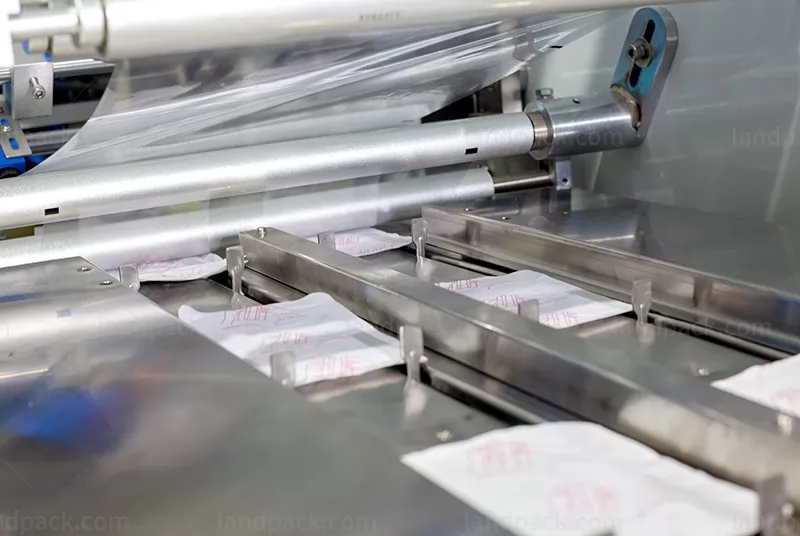
Look closely at certain packaged products, particularly smaller items like scissors, razors, or individually wrapped hardware pieces, and you will often notice the package is sealed neatly on all four sides rather than folded and sealed the way a typical bag might be. That distinctive finish comes from a piece of equipment called a four side seal packaging machine, and understanding how it actually works helps explain why this particular sealing method has become so popular for a wide range of products.
Breaking Down the Actual Mechanism
A four side sealing packing machine relies on several distinct parts working together in sequence. The longitudinal sealing part handles the left and right sides of the package, using a heating tube to create a clean, secure seal along each edge. The transverse sealing part works through a reciprocating mechanism to seal the top and bottom of the packaging bag, completing the fully enclosed four sided seal that gives this method its name.
Once sealing is complete, the cutter part takes over, allowing the roll film to pass through a punching mechanism that separates each finished package from the continuous film. Throughout this entire process, a guiding and rectifying part keeps the roll film properly aligned, preventing the kind of deviation that would otherwise throw off the accuracy of the sealing and cutting stages further down the line.
Why This Design Works for Such a Wide Range of Products
A four side sealing packing machine is genuinely versatile in what it can handle, working well for high precision items, both regular and irregularly shaped products, and materials ranging from solid pieces to liquids, granules, or powders. This flexibility is part of why the four side seal format shows up across such different industries, from food and pharmaceutical products to smaller consumer goods that need a secure, tamper evident package without excessive material bulk.
The sealed, enclosed nature of this packaging style also offers genuine protective benefits, keeping products shielded from dust, moisture, and handling damage during shipping and storage, which matters for smaller items that might otherwise shift around or become damaged inside a looser packaging format.
Built for Continuous, High Speed Production
A well built four side sealing machine is capable of producing well over a hundred finished packages per minute, which matters enormously for manufacturers dealing with high volume production runs. This kind of speed depends on the sealing, cutting, and film guiding mechanisms all working in tight coordination, since any misalignment at high speed can quickly translate into a large volume of improperly sealed or misaligned packages.
Stainless steel construction throughout the machine body supports both the durability needed for continuous operation and the cleanliness standards required in food and pharmaceutical production environments, where corrosion resistance and easy cleaning are genuinely important rather than optional considerations.
Adjustability Matters as Much as Raw Speed
Beyond raw sealing speed, practical features like independent temperature control and touch screen operation give manufacturers meaningful control over the sealing process itself. Different film materials and product types often require slightly different sealing temperatures to achieve a clean, consistent seal without damaging the packaging material or the product inside, and having that level of adjustment available directly at the machine makes it considerably easier to switch between different products without extensive reconfiguration.
A Customization Process Built Around Actual Production Needs
Because products vary so much in size, shape, and material requirements, most four side sealing machine purchases go through a structured customization process, starting with a detailed requirement consultation covering the specific product, packaging material, and desired production capacity, followed by solution design and confirmation before manufacturing even begins. This kind of structured approach helps ensure the final machine actually matches a manufacturer’s real production requirements, rather than forcing a business to adapt its packaging process around whatever generic equipment happened to be readily available.
For manufacturers producing smaller, high precision items that need a secure and consistent package, understanding how this equipment actually works makes it much easier to have an informed conversation with a supplier about which specific configuration will genuinely fit their production needs.
Read More at USA Times