 2Q Solutions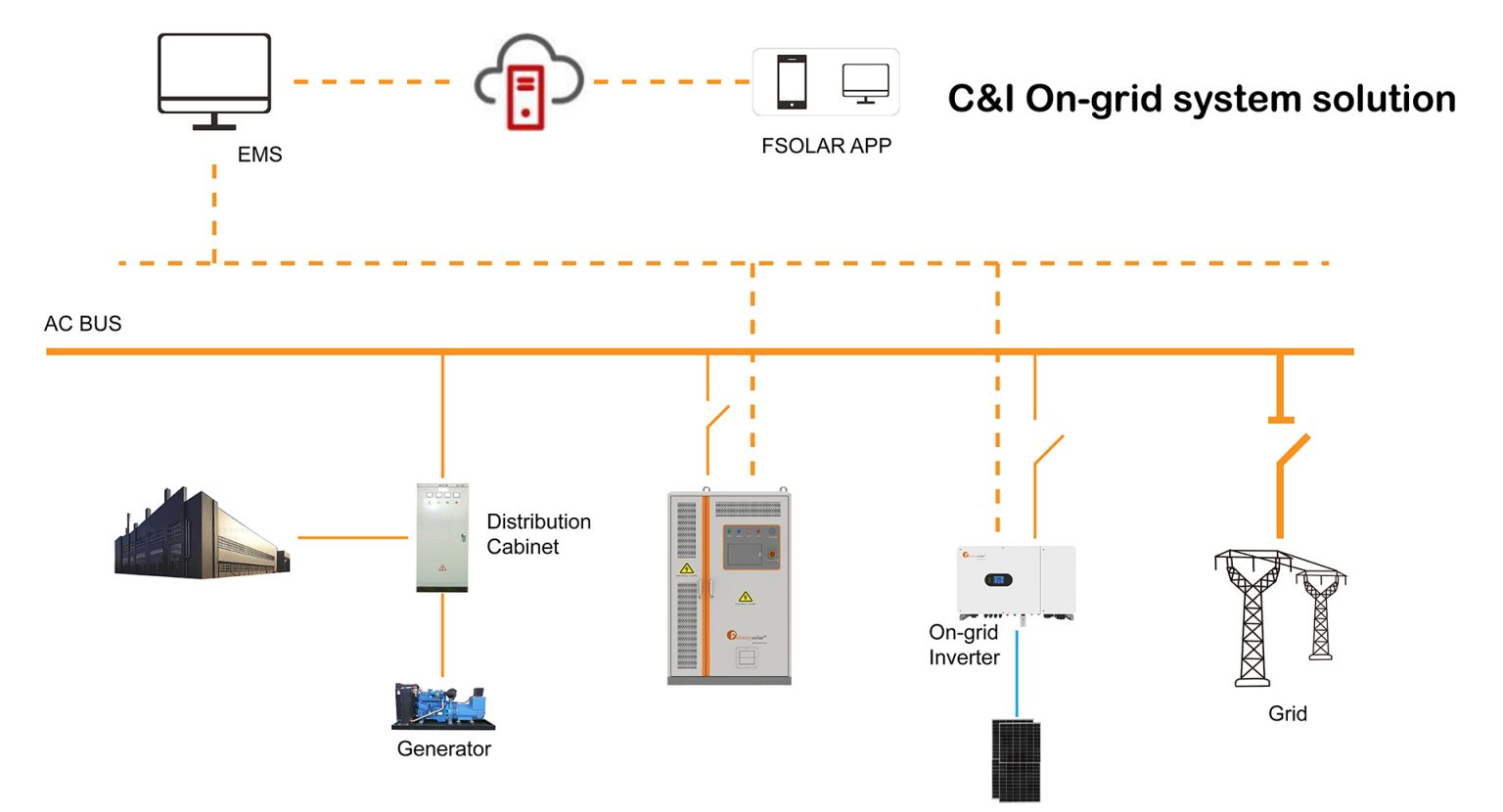
Electricity costs for commercial and industrial operations do not work the way most people assume. It is not simply a matter of paying for total energy consumed over a billing period. A significant portion of many commercial electricity bills comes from demand charges, which are based on the highest level of power draw at any single point during the billing cycle, and this is exactly where energy storage has started to change the financial picture for a lot of businesses.
Understanding Why Demand Charges Matter So Much
A facility might use a moderate, steady amount of electricity most of the time, but if equipment startup, peak production hours, or seasonal cooling needs create a short spike in demand, that spike can set the demand charge for the entire billing period, sometimes even if it only lasted a few minutes. This means a business can end up paying significantly more than its average usage would suggest, purely because of brief peaks in power draw that are often difficult to avoid entirely through operational changes alone.
How Storage Helps Manage These Peaks
Commercial and industrial energy storage systems address this problem directly by discharging stored energy during those peak demand moments, reducing how much power actually needs to be drawn from the grid at that specific time. This process, often called peak shaving, can meaningfully reduce demand charges over time, since the system is specifically managing the moments that would otherwise set an expensive peak for the billing period.
Supporting Solar Investments More Effectively
Many commercial and industrial facilities that have already invested in solar generation find that storage significantly improves the value they get from that investment. Without storage, excess solar generation during low demand periods either gets exported to the grid at whatever rate a utility offers, or in some cases goes unused entirely. Storage allows that surplus to be captured and used later during periods of higher demand, improving the overall return on a solar investment that might otherwise be underutilized during certain parts of the operating day.
Providing Resilience During Grid Disruptions
Beyond the financial benefits, energy storage offers commercial and industrial operations a genuine layer of resilience against grid outages. For businesses where even a brief power interruption can disrupt production, damage sensitive equipment, or cause significant financial loss, the ability to draw on stored energy during a grid outage represents real operational value that goes beyond simple cost savings on a monthly bill.
Sizing Storage Around Actual Facility Needs
Every commercial or industrial facility has a different load profile, and properly sizing a storage system requires understanding actual usage patterns rather than applying a generic recommendation. A facility with sharp, brief demand spikes has different storage needs than one with more gradual, sustained high usage periods. Working with a provider offering genuinely tailored c&ienergy storage solutions allows a system to be properly matched to a facility’s actual demand profile, rather than forcing a generic configuration onto a situation it was not designed for.
The Financial Case Deserves an Honest Look
The financial return on commercial storage depends heavily on local electricity rate structures, how significant demand charges are for a specific facility, and how much the facility’s own usage pattern aligns with the benefits storage can actually provide. It is worth working through these specifics honestly for your own operation rather than assuming a generalized payback estimate applies uniformly to every business and utility rate structure.
Storage as a Genuine Operational Tool, Not Just a Cost Saver
Commercial and industrial energy storage has moved well beyond being a niche or experimental technology. For businesses facing significant demand charges, looking to get more value from existing solar investments, or needing genuine resilience against grid disruptions, storage increasingly represents a practical, financially grounded decision rather than simply a forward looking sustainability gesture.
Read More at USA Times