 Backlinks Hub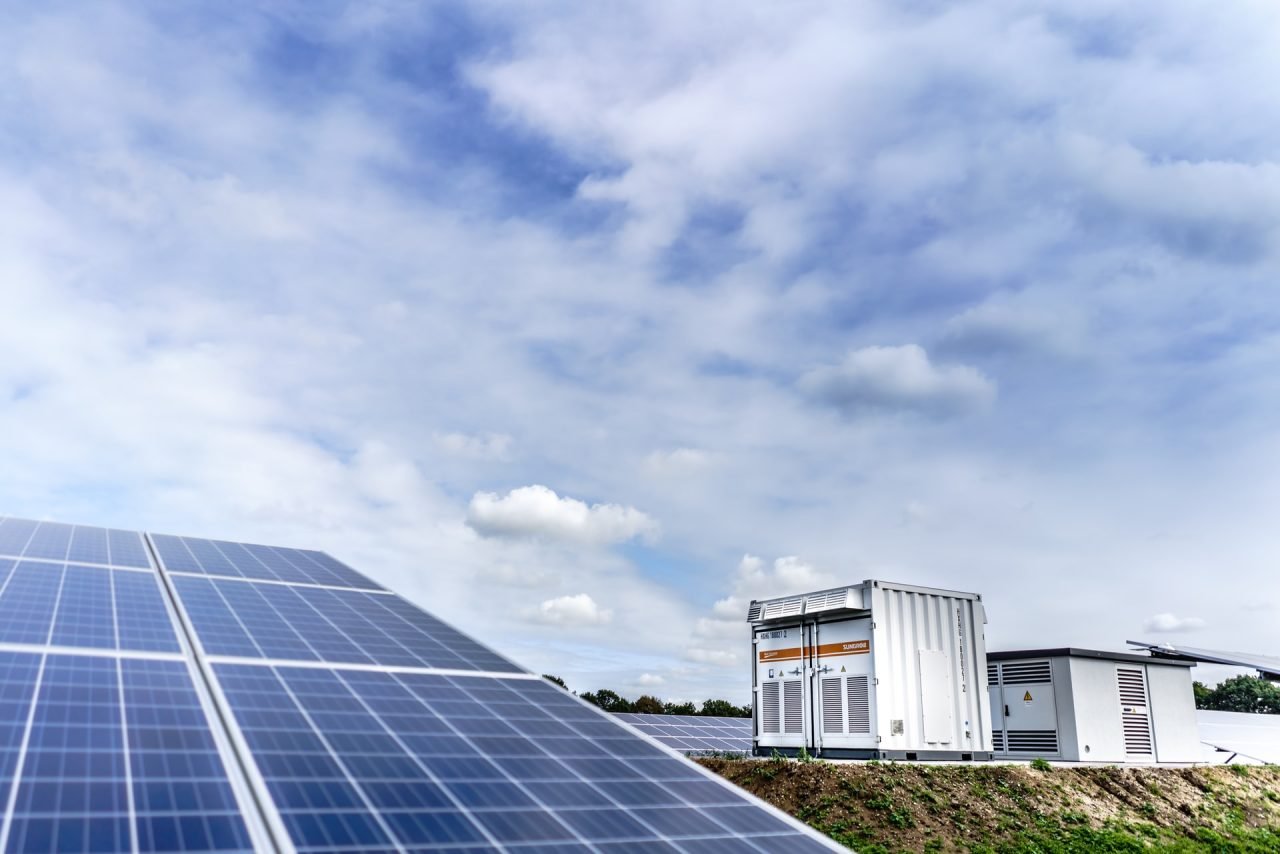
Solar panels alone solve part of the energy equation, but they have one obvious limitation that anyone who has thought seriously about solar power eventually runs into. Panels only generate electricity while the sun is shining, and energy needs do not stop the moment the sun sets. This mismatch between generation and demand is exactly the gap that energy storage is designed to close, and it is a big part of why storage has moved from an optional add on to something increasingly built into solar planning from the start.
The Basic Mismatch Between Generation and Use
A household or business often uses a significant portion of its electricity in the evening, after solar generation has already dropped off for the day. Without storage, any excess energy generated during peak sunlight hours either gets exported back to the grid, where the value received often depends heavily on local utility policies, or simply goes unused if there is no grid connection at all. Storage allows that midday surplus to be captured and used later, when it is actually needed, rather than lost or undervalued.
Grid Reliability Concerns Are Pushing Adoption Further
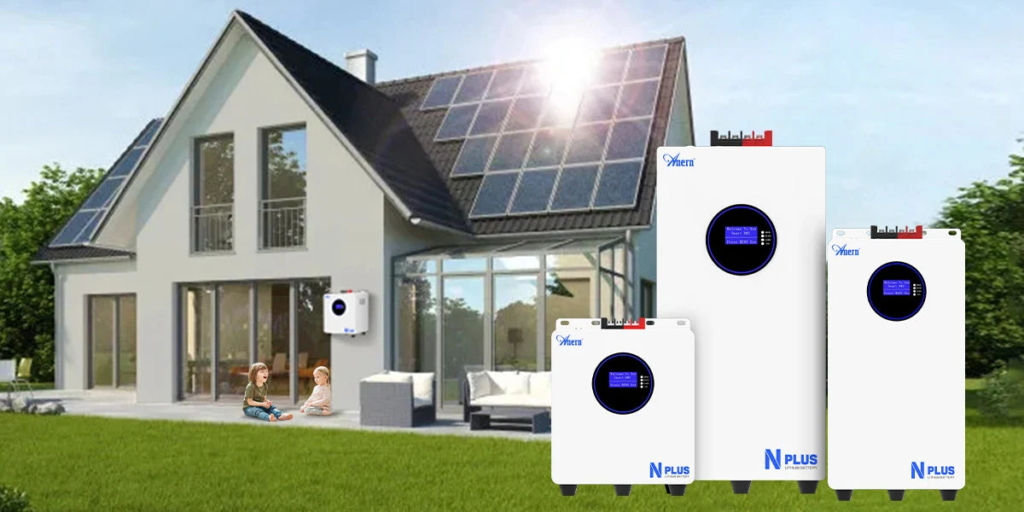
In regions where grid reliability is inconsistent, whether due to aging infrastructure, extreme weather events, or capacity constraints, energy storage paired with solar offers a real degree of independence from outages. Being able to draw on stored solar energy during a grid outage, rather than losing power entirely, has become a meaningful consideration for both homeowners and businesses in areas where blackouts are a genuine, recurring concern.
Storage Makes Solar More Financially Predictable
For many solar customers, storage also changes the financial picture of a solar investment. Rather than relying entirely on selling excess generation back to a utility at rates that can vary or change over time, storage allows more of the generated energy to be used directly, reducing overall reliance on grid purchased electricity. This can make the financial return on a solar investment more stable and predictable over the life of the system.
Different Applications Call for Different Storage Approaches
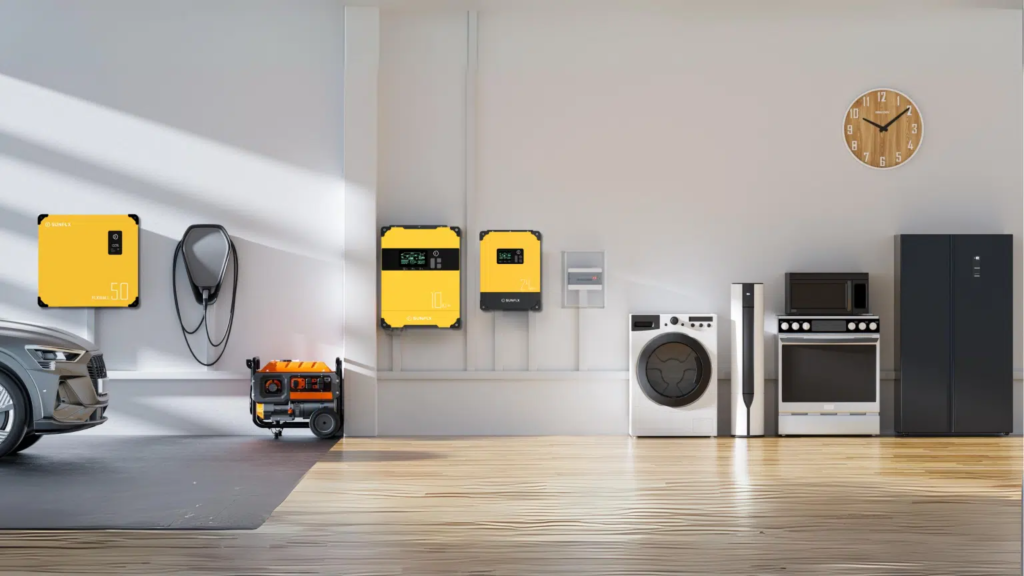
Not every solar project needs the same kind of storage setup. Residential systems generally prioritize enough storage capacity to cover evening and overnight usage, while commercial and industrial applications often need to think about storage capacity in terms of managing peak demand charges or ensuring continuity for critical operations. Working with a provider offering genuinely versatile solar energy storage solutions allows a project to be sized appropriately for its actual use case rather than forcing a generic storage configuration onto a situation it was not really designed for.
Battery Technology Continues to Improve
The technology behind solar energy storage has continued to mature, with improvements in battery lifespan, safety, and overall cost per unit of storage capacity over recent years. This ongoing improvement has made storage a more practical and financially reasonable addition to solar projects than it was in earlier years, when storage costs represented a much larger proportion of total project cost relative to the value it provided.
Storage as a Core Part of Solar Planning, Not an Afterthought
Given the combination of financial, reliability, and practical benefits storage now offers, it makes increasing sense to think about storage requirements from the very beginning of solar project planning, rather than treating it as an optional upgrade to consider later. Projects planned with storage integration in mind from the start tend to be better optimized overall than those where storage gets bolted on as an afterthought once the solar array is already installed and operating.
As storage technology and pricing continue to improve, it is likely that fewer solar projects will treat storage as optional at all, and more will simply build it in as a standard part of the initial design, much the way inverters and mounting hardware are already treated as core components rather than add ons to consider later.
Read More at USA Times