 Backlinks Hub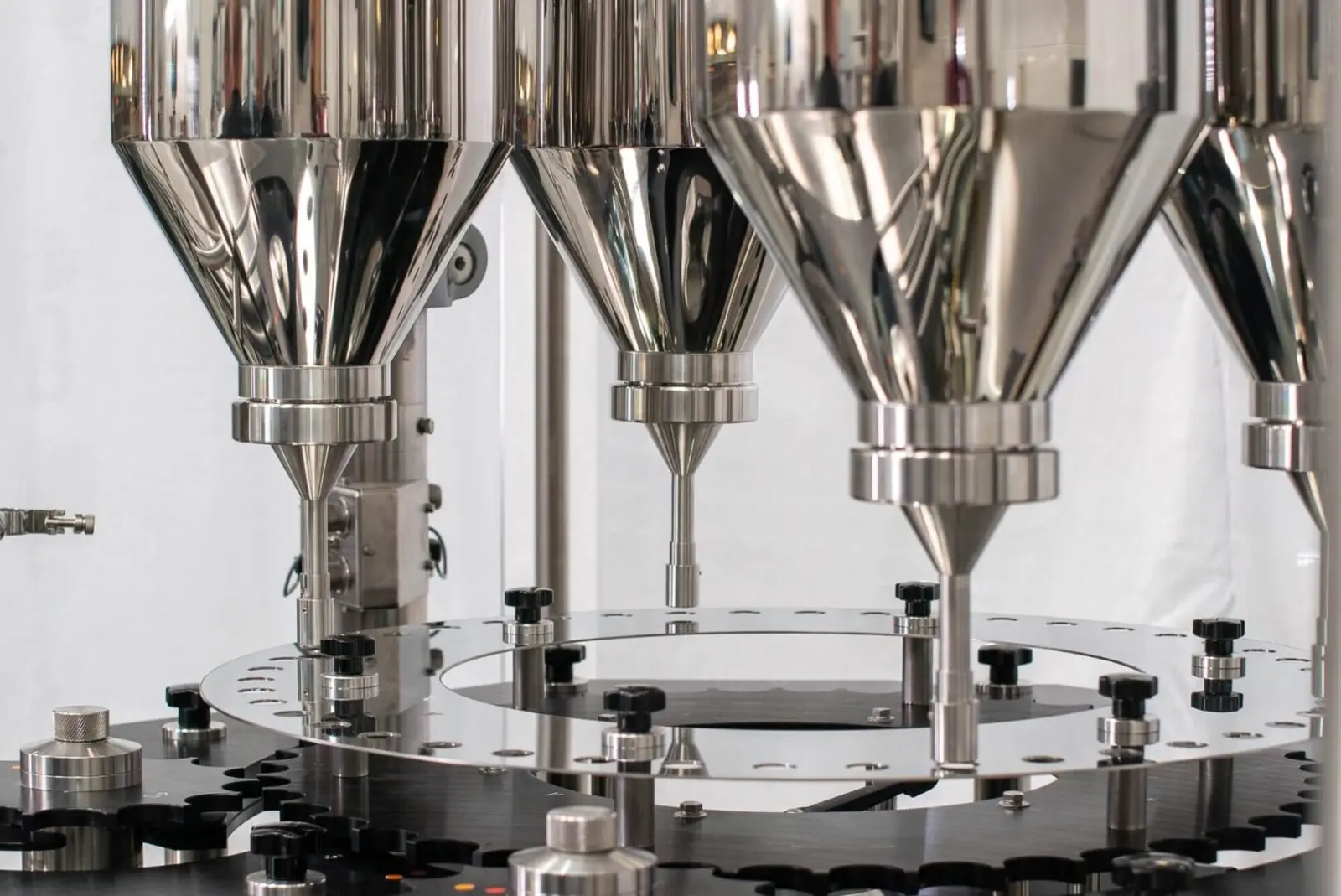
Powders behave nothing like liquids or solid units on a packaging line. They compress, clump, settle unevenly, and resist consistent dosing in ways that make manual filling slow and frustratingly inconsistent. That’s the exact problem an automatic powder filling machine is built to solve — replacing guesswork and hand-scooping with precise, repeatable dosing that holds steady batch after batch.
What an Automatic Powder Filling Machine Actually Does
At its core, an automatic powder filling machine automates two jobs that used to require constant manual attention: feeding powder into a hopper and dispensing an exact, repeatable amount into each container. Most modern machines use an auger-based measuring system, where a rotating screw draws powder from a hopper and deposits a controlled volume into each package as it passes underneath.
This approach works well across a wide range of dry powders — things like cocoa powder, protein powder, tea powder, baking powder, and tooth powder — because the auger can be swapped or adjusted to match different filling volumes, from a few grams up to several kilograms per container.
Why Accuracy and Hygiene Matter So Much Here
Dosing Precision
Underfilling risks regulatory issues and unhappy customers; overfilling quietly eats into profit margins on every single unit produced. Auger-based automatic powder filling machines are built to hold tight tolerances, often within about ±1% of the target fill weight, which matters enormously at high production volumes where even a small per-unit error compounds fast.
Material Contact Parts
Because powders often end up in food, beverage, or pharmaceutical products, the parts of the machine that actually touch the product matter as much as the mechanism itself. Machines built with stainless steel (commonly SUS316) components in all product-contact areas are considered standard for hygienic filling, since stainless steel resists corrosion and is easy to clean thoroughly between production runs.
Dust Control
Fine powders create dust, which is both a cleanliness issue and, in some cases, a safety concern. Better-designed automatic powder filling machines include dust covers over the filling area and can connect to a vacuum dust collector, keeping the surrounding production floor clean and protecting product quality at the same time.
Key Features to Look For
Multiple filling heads. Machines with two or more filling heads working in parallel significantly increase throughput compared to single-head designs, which matters for any operation running meaningful production volumes rather than small batches.
Adjustable hoppers with agitation. Hoppers equipped with agitators keep powder moving and mixed evenly rather than settling or clumping, which helps maintain consistent flow into the auger and, in turn, consistent fill accuracy.
Automatic powder feeding. A dedicated powder feeder that continuously and automatically replenishes the hopper cuts down on manual labor and keeps the line running without needing an operator to top up material by hand.
Touchscreen controls. An intuitive control panel lets operators adjust fill parameters, monitor performance, and troubleshoot issues without needing specialized technical training — a detail that matters a lot once a machine is running on a real production floor rather than a demo video.
Line integration. A powder filling machine that can connect with downstream capping, labeling, and sealing equipment turns a single machine into a full automated packaging line, rather than leaving gaps that still need manual handling between steps.
Industries That Rely on Powder Filling Automation
Automatic powder filling machines show up across a surprisingly broad range of industries: food and beverage production, cosmetics, daily chemical products, and pharmaceuticals all depend on accurate, hygienic powder dosing at scale. Whatever the specific product — a protein supplement, a cosmetic powder, or a pharmaceutical ingredient — the underlying requirement is the same: consistent, contamination-free filling that doesn’t slow down as volume increases.
Customization: Matching the Machine to the Product
Because powders vary so much in density, flow characteristics, and required fill volume, a good manufacturer typically works through a structured customization process rather than offering a single fixed configuration. That usually starts with understanding actual production needs and required volumes, then selecting the right auger and hopper size for the product, followed by decisions around material finish, control panel setup, and whether the machine needs to integrate with other equipment on the line. Getting these details right before purchase avoids the common problem of buying a machine that technically fills powder but doesn’t quite fit the product or throughput it was meant for.
What to Ask Before Buying
- What fill volume range does the auger support, and can it be changed later if products change?
- Are all product-contact parts stainless steel, and to what grade?
- What’s the realistic output rate for my specific powder and container size?
- Can the machine integrate with existing capping or labeling equipment?
- What does the warranty cover, and what kind of after-sales technical support is available?
Manufacturers confident in their equipment should be able to answer these clearly, ideally backed by test data on the specific product being filled.
Final Thoughts
An automatic powder filling machine does more than just speed up a packaging line — it removes the inconsistency that comes with manual dosing and protects product quality at the same time. Whether the product is a food powder, a pharmaceutical ingredient, or a cosmetic formulation, choosing a machine with the right accuracy, hygienic construction, and customization options will do far more for long-term production quality than chasing the cheapest option on the market.