 Backlinks Hub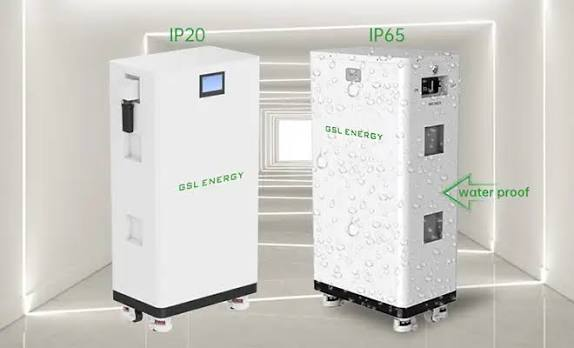
Solar panels get most of the attention, but the battery sitting quietly in the corner of a garage or utility cabinet is what actually decides whether that solar power is usable at 8 p.m. or wasted the moment the sun goes down. A lithium ion solar battery is what makes stored solar energy available on demand — and picking the right one has a bigger impact on system performance than most people realize.
What Is a Lithium Ion Solar Battery?
A lithium ion solar battery stores DC electricity generated by solar panels (or drawn from the grid during off-peak hours) so it can be used later, whether that’s overnight, during a power cut, or whenever demand is highest. Most modern solar batteries use lithium iron phosphate (LiFePO4) cells specifically, a lithium-ion subtype known for its safety and long service life compared to older lithium chemistries like NMC or cobalt-based cells.
These batteries typically include a built-in Battery Management System (BMS) that continuously monitors voltage, temperature, and current, protecting the cells from overcharging, deep discharge, and overheating without any input from the user.
Why Lithium Has Replaced Older Battery Types
For years, lead-acid batteries were the default choice for solar storage. Lithium ion solar batteries have largely taken over for a few clear reasons:
Longer cycle life. Lithium batteries commonly last 4,000 to 8,000+ charge cycles at high depth of discharge, compared to a few hundred to a thousand for lead-acid.
Higher usable capacity. A lead-acid battery is usually only safe to discharge to about 50% capacity, while lithium batteries can regularly discharge to 90% or more without shortening their lifespan — meaning a smaller, lighter lithium battery can deliver the same usable energy as a much larger lead-acid bank.
Less maintenance. Lithium batteries don’t need water top-ups, equalization charging, or ventilation for gas buildup, which lead-acid batteries typically require.
Better performance in real-world conditions. Lithium cells handle partial-state-of-charge cycling and rapid charge/discharge far better than lead-acid, which matters for solar systems where sunlight availability is inconsistent day to day.
Key Specifications to Compare
Voltage Platform
Solar batteries are generally built around either a low-voltage platform (typically 24V or 48V, common in smaller residential systems) or a high-voltage platform (often 100V–500V+, used in larger residential and commercial setups for better efficiency at scale). Matching the battery’s voltage platform to your inverter is one of the first things to check before buying.
Mounting Style
Depending on the space available, lithium solar batteries come in several physical formats: wall-mounted units for compact residential installs, rack-mounted or stack-mounted batteries for expandable systems, tower-mounted configurations that stack vertically, and base-mounted or cabinet-style units built for larger commercial capacity. Choosing the right format often comes down to available floor or wall space and how much future expansion is planned.
Capacity and Expandability
A single lithium ion solar battery module might store anywhere from a few kWh up to 15–20+ kWh, but most modern systems are modular — meaning additional battery units can be added in parallel later without replacing the original hardware. This is worth prioritizing even if your current needs are modest, since energy demands tend to grow over time.
Inverter Compatibility
Not all batteries communicate equally well with every inverter brand. A lithium battery that supports common protocols like CAN and RS485, and that’s been tested against a wide range of third-party inverter brands rather than just one manufacturer’s own product line, gives installers far more flexibility when designing a system — especially useful for retrofits where the inverter is already in place.
Safety Features Worth Checking
Because lithium batteries store a significant amount of energy in a compact space, safety engineering matters as much as capacity. Look for:
- Multi-layer protection against overcharge, over-discharge, short circuit, and overheating
- Cell-level and pack-level monitoring through the BMS
- Recognized certifications such as UN38.3, CE, or IEC 62619
- Stable performance across a reasonable operating temperature range, since extreme heat or cold can affect both performance and longevity
Residential vs. Commercial Use Cases
A lithium ion solar battery designed for a home typically prioritizes compact size, quiet operation, and simple wall-mounted installation, usually paired with a single hybrid inverter. Commercial and industrial applications call for a different approach entirely — often stacked or cabinet-based battery banks that scale into hundreds of kWh, paired with three-phase inverters and heavier-duty cooling and safety infrastructure. Manufacturers that offer both formats, built on shared underlying cell technology, make it easier to standardize on one battery ecosystem across projects of very different sizes.
Getting the Sizing Right
Before choosing a lithium ion solar battery, it helps to work backward from actual usage: how much energy do you need to store to cover evening use or a typical outage, and how much room is there to expand later if consumption grows. Reviewing a recent electricity bill alongside your solar panel output is usually the fastest way to land on a sensible starting capacity, rather than guessing.
Final Thoughts
A lithium ion solar battery has become the backbone of nearly every modern solar-plus-storage system, offering longer life, higher usable capacity, and far less maintenance than the lead-acid batteries it replaced. Whether the goal is backup power, maximizing self-consumption from solar panels, or scaling up to a full commercial energy storage setup, choosing a battery with the right voltage platform, mounting format, and inverter compatibility will do more for long-term reliability than chasing the lowest price tag alone.