
 2Q Solutions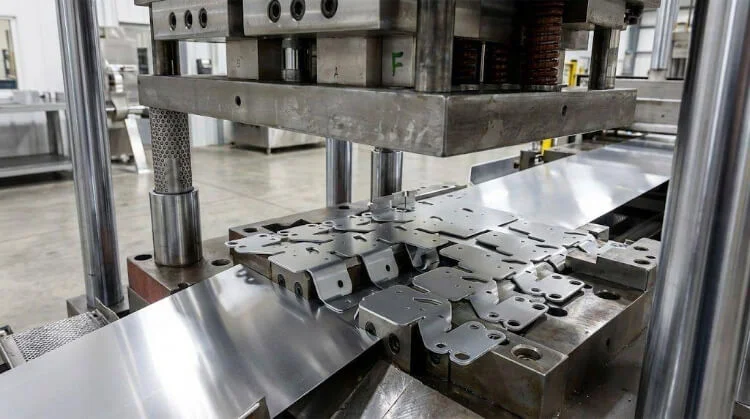
Stamping is one of the oldest and most dependable ways to make metal parts in large numbers. A flat sheet goes into a die, a press comes down, and a finished shape comes out. The process itself is well understood, but the material going into the die decides a surprising amount about how the final part behaves. That is why so many engineers, when a component has real demands placed on it, start looking at alloys instead of plain steel or basic metals.
What an Alloy Brings That a Pure Metal Does Not
An alloy is a metal blended with other elements to change how it behaves. Those changes can be large. A pure metal might conduct electricity very well but be too soft for a structural job. Another might be strong but corrode quickly in a damp or chemical environment. By adjusting the mix, metallurgists can push a material toward the combination of strength, weight, heat tolerance and corrosion resistance that a specific job needs. This flexibility is the main reason alloys show up in so many stamped components.
The Main Alloy Families Used in Stamping
Three families come up most often. Copper alloys are valued for electrical and thermal conductivity, which is why they appear in connectors, terminals and shielding parts. Aluminum alloys are light and reasonably strong, which makes them attractive wherever weight matters. Nickel alloys hold their strength at high temperatures and resist corrosion well, so they are often chosen for demanding industrial and heat related equipment. Beyond these, specialty alloys exist for particular needs such as wear resistance or very high strength.
Why Stamping and Alloys Work Well Together
Metal alloys stamping combines a fast, repeatable forming process with materials that can be tuned for the job. Once a die is built and proven, a press can produce the same shape again and again with very little variation. That repeatability matters when thousands or millions of identical parts are needed and each one has to fit and perform like the last. Companies that specialise in metal alloys stamping build their process around this combination of consistent forming and carefully chosen material.
Material Choice Changes How the Die Has to Be Designed
It would be a mistake to think any alloy can simply be dropped into any die. Different materials behave differently under pressure. Some springback more after forming, meaning the metal partly returns toward its original shape when the press releases it. Some harden as they are worked, which makes later forming steps harder. Harder alloys also wear tooling faster. Experienced stamping engineers account for all of this when they design the die, which is one reason early conversations between a customer and a stamping supplier are so valuable.
Balancing Performance Against Cost
Higher performance alloys generally cost more than ordinary steel, both in raw material and often in the extra care needed to form them. That means the sensible approach is not to choose the most advanced alloy available, but the least expensive one that reliably meets the requirement. A bracket in a protected indoor assembly may not need the corrosion resistance of a nickel alloy, while a part exposed to heat and moisture over many years might justify it easily. Being honest about the real operating conditions saves money without risking failures.
Precision Is Part of the Value
Alloys are often chosen for parts where size and shape have to be controlled tightly, such as small electronic components or assemblies where several pieces must line up. Good stamping practice, including well made tooling and regular inspection, keeps dimensions consistent from the first part to the last. Without that discipline, even an excellent alloy would not deliver the reliable fit that the design depends on.
Questions Worth Asking Before You Commit
If you are weighing alloys for a stamped part, a few questions help. What temperatures will the part see? Will it be exposed to moisture, chemicals or salt? Does it need to conduct electricity or heat? How much does weight matter? How many parts will you need each year? Answers to these narrow the choices quickly and give a stamping supplier what they need to recommend a sensible material and process.
A Practical Way to Think About It
Alloys are not a luxury choice for stamped parts. They are a practical tool for matching a material to a job. When the operating conditions are demanding or the tolerances are tight, the right alloy combined with a well run stamping process often produces a part that is more reliable and more economical over its working life than a cheaper material that struggles under real conditions.
Read More at USA Times