 Backlinks Hub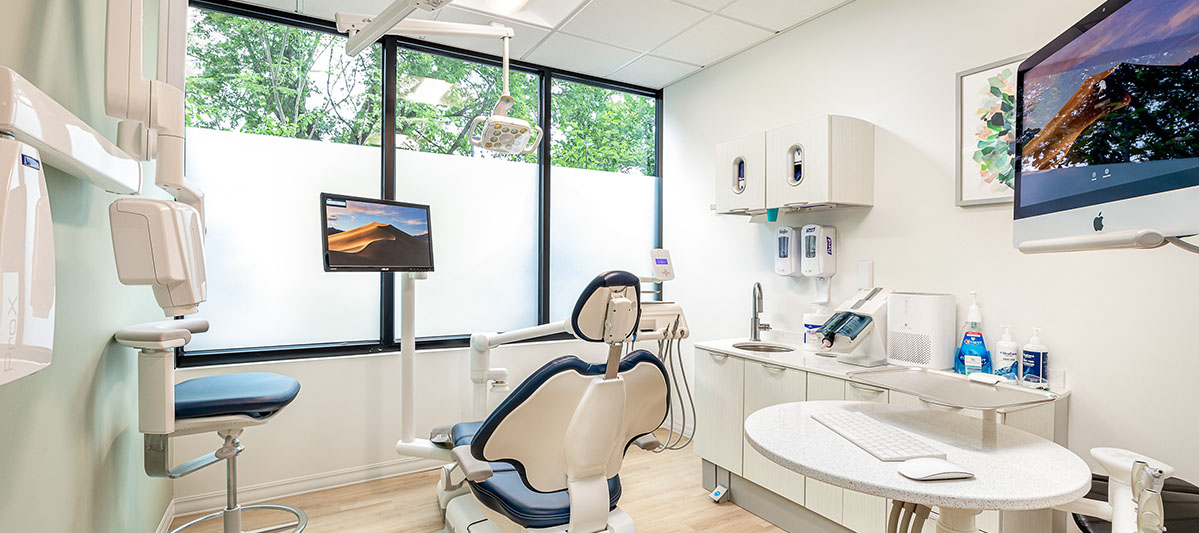
There’s a version of the AI conversation that’s been circulating in healthcare for a couple of years now, and it goes something like this: automation is coming, jobs are at risk, and the people doing hands-on clinical work should be worried.
For dental assistants specifically, that narrative doesn’t hold up well against what’s actually happening in practices right now. The real story is more nuanced and honestly, more encouraging than the headline version suggests.
AI is absolutely entering the dental office. But what it’s doing there looks a lot less like replacement and a lot more like a shift in what skills matter and what the role is worth.
What AI Is Actually Being Used For
Let’s be specific, because vague references to “AI in dentistry” don’t help anyone make sense of their career.
The most widely adopted AI tools in dental practices right now fall into a few clear categories. AI-assisted diagnostic imaging is probably the most significant. Platforms like Pearl and Overjet analyze digital radiographs in real time, flagging potential findings, such as early decay, bone loss patterns, and root abnormalities, for the dentist to review. The system doesn’t make treatment decisions. It highlights areas that warrant a closer look, functioning more like a second set of eyes than an autonomous clinician.
AI-powered scheduling and patient communication tools are also becoming standard in larger practices and DSOs. These handle appointment reminders, recall outreach, and basic intake questions automatically, reducing the administrative load that used to sit on the front desk or on the dental assistant’s plate alongside everything else.
Automated charting and voice-to-text documentation tools are newer but growing fast. Instead of manually entering perio measurements or treatment notes during or after a procedure, a dental assistant can use voice commands or AI-transcription software to capture clinical data in real time.
None of these tools works without a skilled person operating alongside them. That’s the part that gets lost in the “AI is replacing everyone” framing.
The Skills That Actually Matter Now
The arrival of AI in dental practices hasn’t reduced the need for dental assistants but it has changed which skills move a dental assistant from entry-level to genuinely valuable.
Digital radiography proficiency is no longer optional. Understanding how to position sensors correctly, troubleshoot image quality issues, and work with AI imaging platforms has become a baseline expectation in practices that have adopted these tools. A dental assistant who is comfortable with digital workflows runs the room more efficiently and creates fewer delays in the diagnostic process.
Intraoral scanners are another skill set that separates candidates in 2026. Traditional impressions are declining in favor of digital scans, particularly in practices that offer same-day restorations, Invisalign, or implant planning. Operating a scanner well requires steady technique, patient communication, and familiarity with the software that processes the scan data.
The trend across all of these is the same: the dental assistant role is becoming more technical, more integrated into the clinical workflow, and more central to the efficiency of the practice.
Why This Is Pushing Compensation Up
When a role requires more knowledge and more technical proficiency, it tends to pay more. That’s been the consistent pattern in healthcare, and dentistry is following it.
The Bureau of Labor Statistics reported median annual earnings for dental assistants at just over $46,000 in 2024, with the upper end of the range pushing well past $60,000 in urban markets and specialty practices. Certified dental assistants with demonstrable skills in digital imaging, scanner operation, and cloud-based documentation consistently command higher offers than those without.
Specialty practices, such as orthodontics, oral surgery, and pediatric dentistry, have always paid at a premium relative to general dentistry. What’s changing is that the gap between general and specialty compensation is widening further as specialty offices adopt more advanced technology faster.
For anyone considering a path into this field, the practical implication is clear: the dental assistant role rewards people who invest in current skills, not just foundational ones.
Patients Still Need a Person in the Room
Here’s the thing that AI genuinely cannot replicate, and it matters: patient experience in a dental chair is deeply interpersonal. People are often anxious. They need someone to explain what’s happening, read the room, notice when they’re tensing up, and adjust accordingly.
A dental assistant does all of that while simultaneously managing instruments, monitoring the patient, anticipating the dentist’s next move, and keeping the procedure on schedule. That combination of clinical support and human presence is not something a software platform can replicate and it’s not what anyone is trying to automate.
If you’re exploring what it actually looks like to build a career as a dental assistant in this evolving environment, GoTu’s dental professional resources offer a practical look at current training paths and what the role entails today, not five years ago.
Final Thoughts
The AI conversation in dentistry is going to keep evolving, and so will the tools. But the direction of travel for the dental assistant role right now is toward greater specialization, stronger compensation, and more integration into the clinical process, not toward obsolescence.
The people entering the field today are doing so at a moment when the skills they build will be genuinely differentiated. Digital imaging, scanner operation, and AI-assisted workflows aren’t intimidating add-ons. They’re the new baseline for a role that’s becoming more valuable precisely because of them.
That’s a different story from the one making headlines. It’s also a more accurate one.