 Backlinks Hub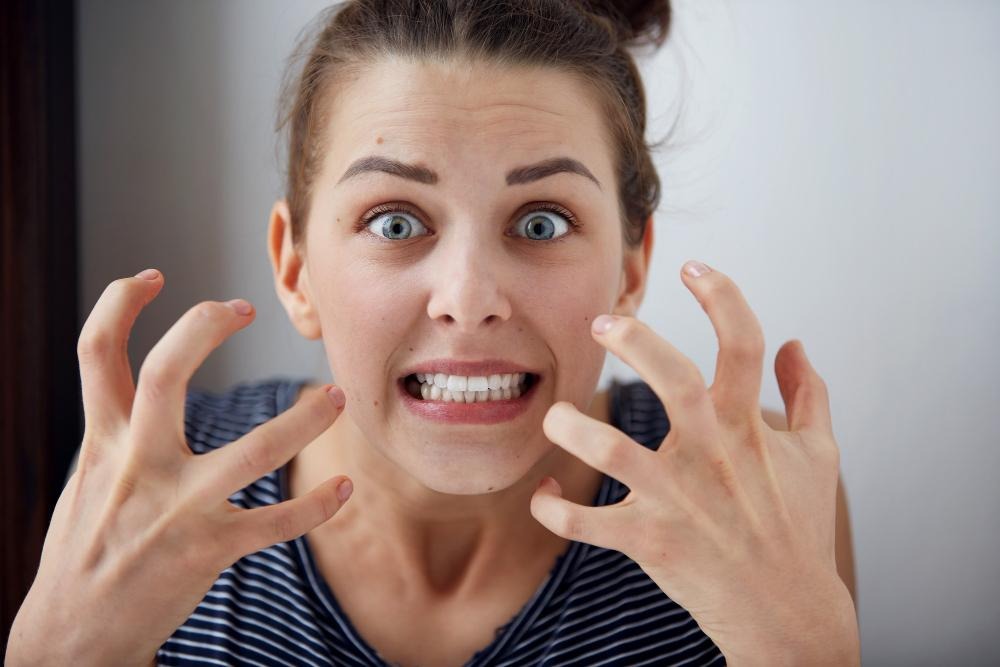
You wake up with a sore jaw, a dull headache behind the temples, and the vague sense that your teeth have been working all night without your permission. Your partner confirms it: the grinding is audible. Welcome to bruxism, a condition that affects an estimated 8 to 31 percent of adults and quietly damages teeth, joints, and quality of life while you sleep.
Bruxism: More Than Just Teeth Grinding
Bruxism is the involuntary, repetitive clenching or grinding of the teeth. It occurs most commonly during sleep, though many people also clench during the day under stress without realizing it. The masseter, the powerful jaw muscle responsible for chewing force, is the primary driver. When this muscle becomes chronically overactive, the consequences extend well beyond worn enamel.
Persistent jaw pain, morning headaches, temporomandibular joint (TMJ) dysfunction, neck tension, and even ear pressure are all hallmarks of untreated bruxism. Over time, the masseter can visibly enlarge from constant overuse, giving the lower face a noticeably squarer appearance. For a full breakdown of the signs and symptoms of teeth grinding, a clinical reference can help you determine whether your symptoms match the bruxism profile.
The Night Guard Limitation
The most commonly prescribed solution for bruxism is a dental night guard. It protects the teeth from mechanical wear, and for many people, it is a useful first step. However, a night guard does not reduce the force of the clench itself. The muscle continues to contract with the same intensity; the guard simply absorbs the impact.
For people whose primary complaints are muscular, including jaw pain, headaches, and masseter hypertrophy, the night guard addresses the symptom at the tooth level but leaves the muscular source untouched. This is where botulinum toxin enters the conversation.
How Masseter Botox Works
Botulinum toxin (commonly known by brand names, though the generic term is more precise) is injected directly into the masseter muscles on both sides of the jaw. It works by temporarily blocking the release of acetylcholine at the neuromuscular junction, the chemical messenger that tells the muscle to contract.
The result is a measured reduction in involuntary clenching force. The muscle still functions for chewing and speaking, but its capacity for the extreme, unconscious contractions that define bruxism is significantly diminished. Relief typically begins within four to seven days, with full effect at around two weeks.
This is an important distinction: botulinum toxin injections for bruxism relieve the muscular symptoms of the condition. They do not cure bruxism at its neurological or behavioural root. The effects last four to six months, and maintenance sessions are recommended roughly twice per year.
The Dual Benefit: Pain Relief and Jaw Slimming
One of the most discussed secondary effects of masseter botox is jaw slimming. In people whose masseter has enlarged due to years of chronic clenching, the reduced muscle activity leads to gradual atrophy. Over four to eight weeks, the lower face transitions from a wider, squarer shape to a more tapered, oval contour.
This is not a separate cosmetic procedure. It is a documented secondary outcome of treating the muscle that causes bruxism. The slimming effect is particularly noticeable in people with visible masseter hypertrophy, and it tends to become more pronounced with repeated sessions as the muscle adapts to its reduced workload.
For people who do not have bruxism but are interested in jawline contouring alone, the assessment is different. A professional evaluation determines whether the square appearance is muscular, skeletal, or a combination of both, because only the muscular component responds to botulinum toxin.
What Happens During the Appointment
The procedure itself is straightforward. After an initial assessment of masseter volume, symptom severity, and medical history, injections are administered with a fine needle into the masseter on each side. No anesthesia is needed in most cases. The sensation is a brief, mild prick. The entire session takes 15 to 30 minutes.
Dosage is personalised: clinical practice typically involves 25 to 50 units per side, depending on muscle mass and symptom intensity. A conservative first session followed by a reassessment at day 15 allows for adjustment if the initial relief is insufficient.
Post-treatment instructions are minimal: avoid massaging the jaw for 24 hours, skip intense exercise the day of the appointment, and stay upright for four hours after the injection. There is no downtime, and normal activities resume immediately.
Side Effects and Who Should Not Receive Treatment
Side effects are generally mild. Slight bruising at the injection site, temporary chewing fatigue on hard foods, and, in a small percentage of cases, a brief period of smile asymmetry that resolves within six to eight weeks are the most commonly reported.
Absolute contraindications include pregnancy, neuromuscular disorders such as myasthenia gravis, and known allergy to botulinum toxin. Anyone taking anticoagulants should disclose this at consultation, as aspirin and blood thinners should be avoided for 15 days before and after the procedure.
Is Masseter Botox Right for You?
Good candidates are adults with symptomatic bruxism: jaw pain, morning headaches, tooth wear, and a visibly tense or enlarged masseter. It is also well suited for people who have tried a dental night guard without adequate relief, or who cannot tolerate wearing one.
The treatment is not a replacement for dental care. Night guards and botulinum toxin address different aspects of the same problem, and many people benefit from both. The key is understanding which component, the tooth-level protection or the muscular intervention, your particular symptoms require.
Moving Forward
Bruxism is one of those conditions that people live with for years before seeking help, partly because it happens during sleep and partly because the symptoms, headaches, jaw tightness, worn teeth, accumulate so gradually that they become the new normal. Botulinum toxin injections into the masseter offer a targeted, minimally invasive way to break that cycle.
If you have been clenching through the night, what prompted you to start looking for solutions? Share your experience in the comments.
About the Author
This article was contributed by the content team at Clinique Main d’Or, a medical aesthetics clinic in Montreal offering injectable treatments for bruxism, facial rejuvenation, and skin conditions. Learn more at en.cliniquemaindor.com.