
 admin
admin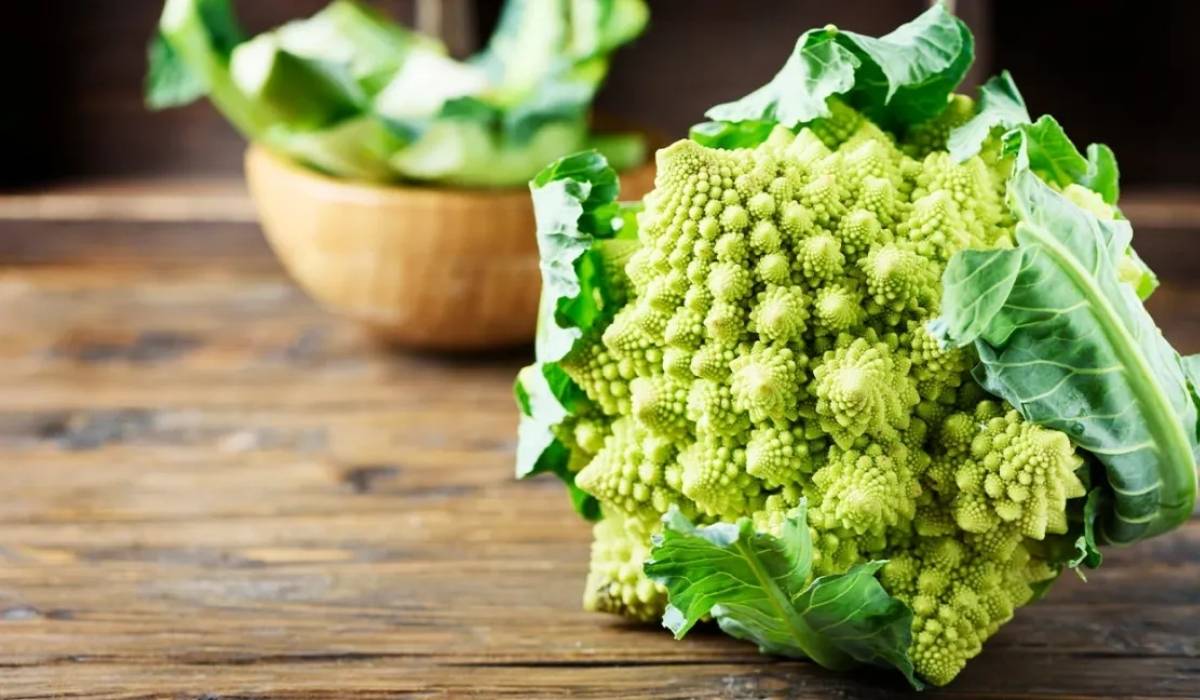
Exploring the world of vegetables goes beyond carrots, broccoli, and spinach. Unusual vegetables offer a window into diverse flavors, textures, and nutritional benefits that are often missing from mainstream diets. These vegetables are typically less common in grocery stores and can range from rare leafy greens to exotic root vegetables. Many of these unusual vegetables have been part of traditional cuisines around the world for centuries, but only recently have they gained attention in global culinary circles. Incorporating these vegetables into your diet not only introduces new tastes but also increases the range of nutrients and antioxidants consumed, enhancing overall health.
The appeal of unusual vegetables extends beyond nutrition. They are visually striking, often featuring vibrant colors, unique shapes, and distinctive textures. These visual qualities make them popular for food photography, gourmet cooking, and creative meal presentation. Chefs and home cooks alike are drawn to unusual vegetables for the way they transform ordinary meals into memorable dining experiences. From spiralized roots to edible flowers, the diversity of unusual vegetables encourages experimentation in cooking while providing health benefits that standard vegetables might lack.
Nutritional Benefits of Unusual Vegetables
Many unusual vegetables offer nutrient profiles that surpass or complement more common vegetables. Leafy greens such as mizuna and amaranth are rich in vitamins A, C, and K, as well as minerals like calcium and iron. Root vegetables like salsify and crosnes contain dietary fiber, potassium, and antioxidants, which support digestive health and cardiovascular function. Consuming a variety of unusual vegetables can help prevent nutrient deficiencies and improve overall well-being by introducing compounds that may not be present in regular produce.
The antioxidants found in unusual vegetables also have anti-inflammatory properties, which can help reduce chronic disease risk. For example, purple carrots contain anthocyanins, while red-veined sorrel has flavonoids that support cellular health. Including these vegetables in daily meals encourages a more balanced intake of phytonutrients, which are increasingly recognized for their role in disease prevention and healthy aging.
Examples of Unusual Vegetables to Try
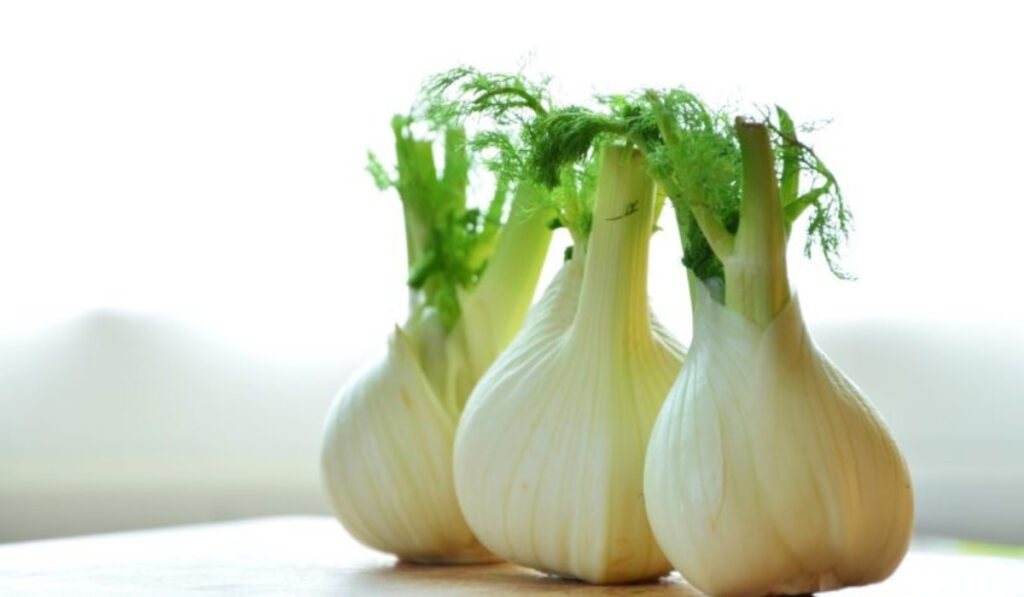
There is a wide array of unusual vegetables available worldwide, each with its own distinct taste and texture. Romanesco broccoli, with its fractal-like appearance, provides a mild, nutty flavor that works well roasted or steamed. Kabocha squash is creamy and sweet, making it ideal for soups and purees. Sunchokes, also known as Jerusalem artichokes, have a subtly sweet, earthy flavor that adds complexity to salads and roasted dishes. Crosnes, sometimes called Chinese artichokes, offer a crisp texture that is perfect for stir-fries and sautés.
Other examples include fiddlehead ferns, which are slightly nutty and tender, and kohlrabi, which tastes similar to a mild turnip. Leafy greens like tatsoi and watercress offer peppery notes that can brighten salads, soups, and sandwiches. Unusual vegetables like these demonstrate the diversity of flavors and textures that can be incorporated into everyday meals, making cooking more exciting and healthful.
How to Cook Unusual Vegetables
Cooking unusual vegetables requires attention to their unique textures and flavors. Some, like sunchokes and kohlrabi, benefit from roasting or sautéing to bring out their natural sweetness. Leafy unusual vegetables often perform best when lightly steamed, blanched, or added raw to salads to preserve their nutrients and crispness. Root vegetables with fibrous textures may need longer cooking times or slicing techniques such as thin julienning or spiralizing.
Many unusual vegetables also lend themselves to pickling or fermenting, which enhances their flavors while providing probiotic benefits. By understanding the specific needs of each vegetable, cooks can create dishes that highlight their natural characteristics. Experimentation is encouraged, as unusual vegetables often pair well with complementary herbs, spices, and sauces that enhance their flavor without overpowering it.
Cultural and Historical Significance
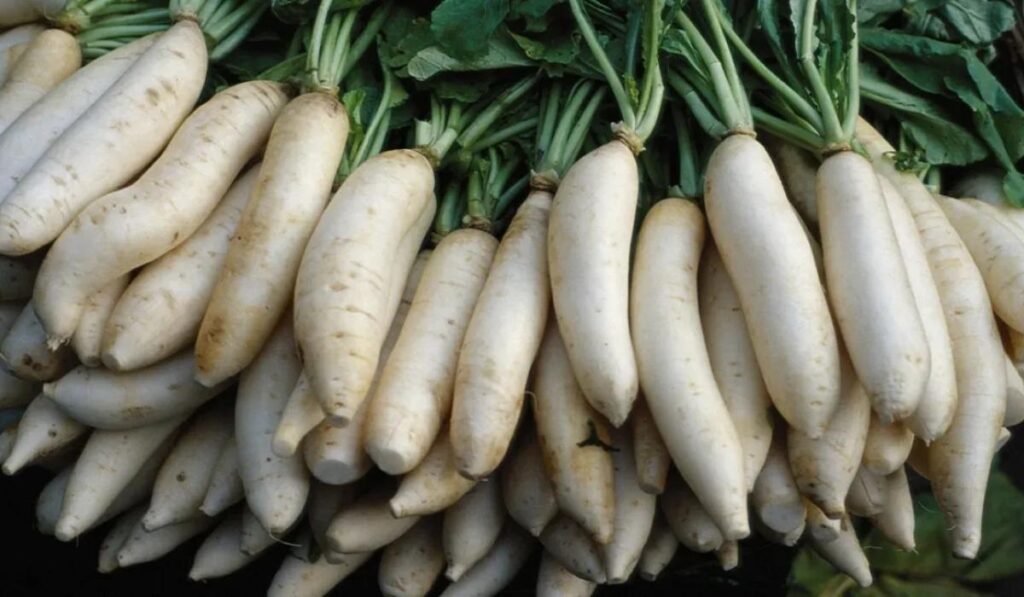
Many unusual vegetables have deep cultural roots and historical significance. For example, lotus root has been cultivated in East Asia for centuries and is prized not only for its taste but also for its symbolic meaning in cuisine. Romanesco broccoli has been grown in the Mediterranean since the sixteenth century, valued for its intricate structure and mild flavor. Understanding the cultural context of unusual vegetables can enrich the cooking experience and provide insight into traditional culinary practices.
Historical cultivation practices also highlight the resilience of unusual vegetables, as many are adapted to specific climates or soil conditions. Incorporating these vegetables into modern diets supports biodiversity and preserves agricultural heritage. By exploring these vegetables, cooks and consumers engage with a living history of global food traditions while expanding their culinary repertoire.
Where to Find Unusual Vegetables
Unusual vegetables are not always available in standard grocery stores, but they can often be found in farmers’ markets, specialty grocers, and online retailers. Local farms that grow heritage or heirloom varieties may also offer access to rare vegetables. Seasonality plays a role in availability, so planning purchases based on local harvests ensures peak freshness and flavor.
Community-supported agriculture programs and subscription vegetable boxes are another way to access unusual vegetables regularly. These sources often provide educational information about each vegetable, including preparation tips and recipe ideas. By seeking out these vegetables, consumers support sustainable farming practices and contribute to a diverse food system.
Health Benefits of Including Unusual Vegetables
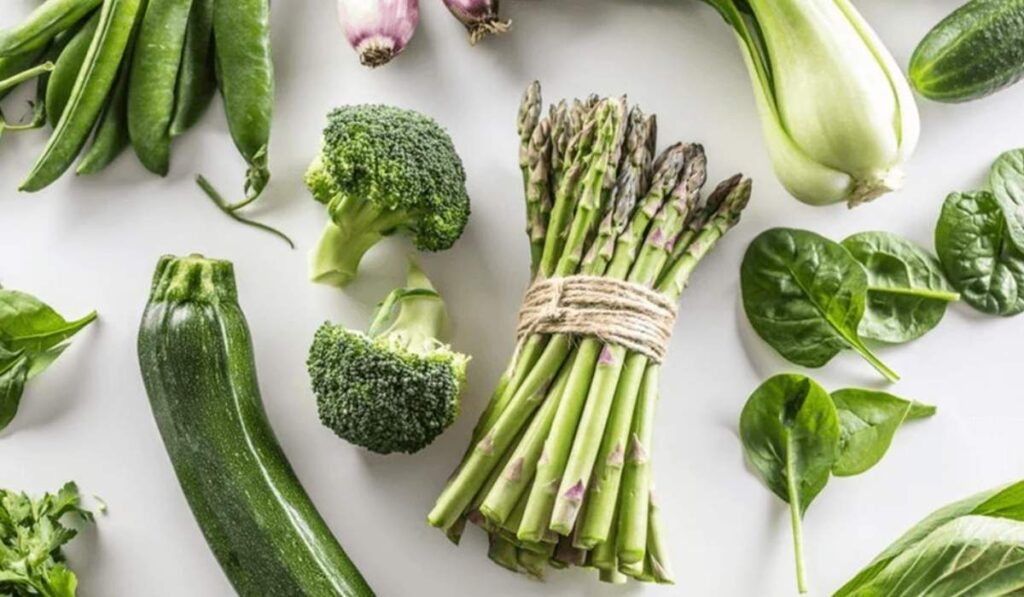
Incorporating unusual vegetables into your diet provides both immediate and long-term health benefits. Their diverse nutrient profiles can improve immunity, support digestion, and provide essential vitamins and minerals. Many unusual vegetables are low in calories but high in fiber, which aids satiety and weight management. Phytonutrients found in these vegetables have been linked to reduced inflammation, improved heart health, and protection against chronic diseases.
Consuming unusual vegetables regularly can also help diversify the gut microbiome. Prebiotic fibers found in roots like sunchokes and chicory root nourish beneficial bacteria, promoting digestive health. By rotating a variety of unusual vegetables into meals, individuals can optimize nutrient intake and enjoy a broader spectrum of flavors and textures that enhance both health and culinary enjoyment.
Cooking Techniques and Tips
To maximize flavor and nutrition, unusual vegetables require thoughtful cooking techniques. Roasting often enhances sweetness and caramelization in roots, while steaming preserves delicate leafy vegetables. Quick stir-frying maintains texture and bright color, and slow cooking in soups and stews allows fibrous vegetables to soften while imparting flavor to the dish. Some unusual vegetables, like fiddlehead ferns, require careful cleaning to remove bitterness and potential toxins.
Experimentation with herbs, oils, and sauces can elevate dishes featuring unusual vegetables. For instance, a drizzle of citrus or nut oils can complement the natural earthiness of root vegetables, while spices like smoked paprika or garlic enhance roasted vegetable flavor. Learning how to balance flavors is key to successfully integrating unusual vegetables into everyday cooking.
Sustainability and Environmental Impact
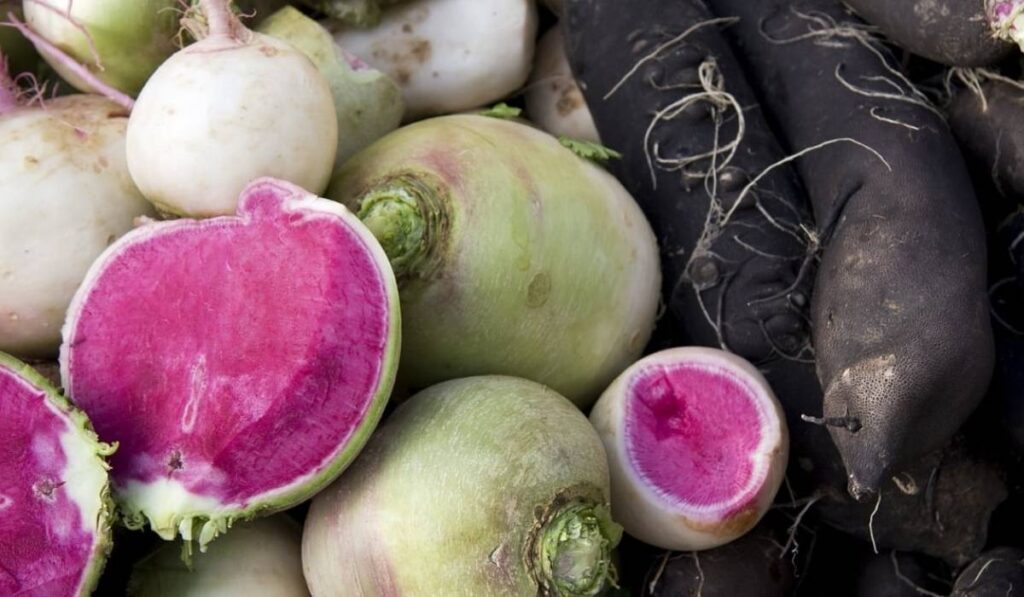
Growing and consuming unusual vegetables promotes sustainability by encouraging biodiversity in agriculture. Many of these vegetables are heirloom varieties that have been cultivated for resilience and adaptability. Supporting farms that grow unusual vegetables helps preserve these genetic lines and reduces reliance on monocultures. Sustainable cultivation practices often require fewer pesticides and contribute to healthier soils, benefiting both the environment and the nutritional quality of the produce.
Sourcing unusual vegetables locally also reduces transportation-related emissions, contributing to a smaller carbon footprint. Seasonal consumption supports responsible farming practices and encourages environmentally conscious dietary habits. By incorporating these vegetables into meals, consumers actively support sustainable agriculture while enjoying a diverse and nutritious diet.
Future of Unusual Vegetables in Culinary Trends
The popularity of unusual vegetables is on the rise in modern cuisine. Chefs and food enthusiasts increasingly value diversity in flavor, texture, and visual appeal. Culinary trends such as plant-based diets, farm-to-table initiatives, and global fusion cooking have brought unusual vegetables to the forefront. As consumer awareness grows, more restaurants, markets, and home cooks are exploring these vegetables, further integrating them into mainstream diets.
Innovation in preparation, presentation, and hybrid vegetable breeding will continue to expand the variety of unusual vegetables available. By embracing these vegetables, cooks and consumers can enjoy new flavors while supporting health, sustainability, and global culinary traditions. The future promises continued experimentation and creativity in the use of unusual vegetables in modern kitchens.
Frequently Asked Questions
One What are unusual vegetables
- Vegetables that are rare, uncommon, or not widely available in typical grocery stores
Two Why should I try unusual vegetables
- They provide unique flavors, textures, and additional nutrients to your diet
Three Where can I find unusual vegetables
- Farmers markets, specialty grocers, online stores, and local farms
Four How should I cook unusual vegetables
- Roasting, steaming, stir-frying, or slow cooking depending on type
Five Are unusual vegetables good for health
- Yes they are nutrient-dense, high in fiber, and rich in antioxidants