 2Q Solutions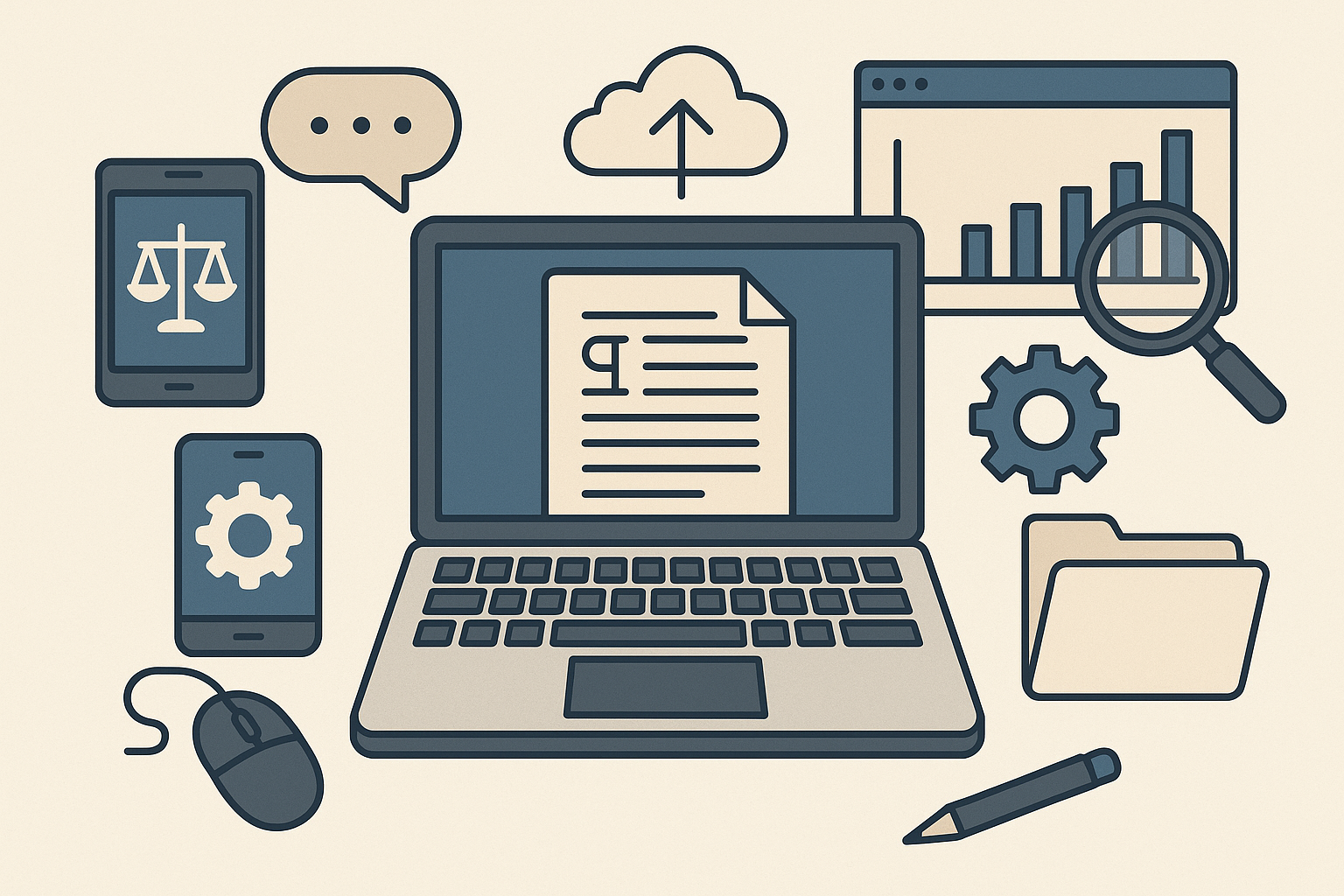
The legal industry has long been one of the last holdouts against digital transformation. While other professions embraced automation, lawyers continued working with paper files, in person meetings, and manual document preparation. This resistance to change created inefficiency, high costs, and barriers for everyday people seeking basic legal protection. Today, that landscape is shifting rapidly. Digital platforms are automating routine legal processes, electronic signatures are replacing pen and ink, and cloud storage is replacing filing cabinets. This transformation is fundamentally changing who can access legal services and how quickly documents can be created and executed.
The Paper-Based Legal System and Its Costs
For most of the twentieth century, legal documents existed primarily on paper. Lawyers drafted contracts by hand or on typewriters. Documents were printed, copied, and mailed between parties. Signatures required in person meetings or notarization. Revisions meant reprinting entire documents. Storing documents meant maintaining physical files organized by year and client.
This process was cumbersome and expensive. Creating a simple lease could take weeks. Modifying a contract meant starting over. Sharing documents required copying and mailing. Finding a document years later meant searching through filing cabinets.
The financial barrier was significant. Lawyers charged hundreds of dollars per hour for routine document creation. Small businesses and individuals could not justify the cost for basic agreements. Many chose to operate without proper documentation, relying on verbal agreements and handshakes.
This system created a legal knowledge gap. Wealthy people and large organizations had comprehensive legal protection through retained lawyers. Ordinary people either paid substantial fees or went without legal documentation. The result was a two-tiered system that left many people vulnerable.
The Digital Revolution in Legal Services
The internet began changing this around the turn of the century. Online resources made legal information more accessible. People could research contract requirements and find templates. However, generic templates often missed important details or failed to comply with state specific requirements. They were a step forward but not a complete solution.
The next phase involved recognizing that many legal tasks follow predictable patterns. A lease has standard sections. A service agreement includes common clauses. A will addresses typical provisions. If software could guide people through these patterns and generate customized documents automatically, legal document creation could be democratized.
This insight led to the creation of platforms designed to turn legal document creation into a guided, interactive process. Instead of drafting from scratch or adapting generic templates, users answer questions about their specific situation. Software then generates documents tailored to their state and circumstances.
Interactive Questionnaires and Smart Templates
Modern legal technology uses sophisticated questionnaires that adapt based on previous answers. If someone indicates they are renting out a property in California, the platform immediately incorporates California specific protections for tenants and security deposit rules. Someone renting in Texas sees different state specific requirements.
This approach ensures comprehensive coverage of important issues. If state law requires a specific disclosure, the software automatically includes it. If a lease needs to address pets, the platform asks relevant questions and incorporates answers into the document.
The questionnaire approach also forces clarity. Users must actually think through and articulate their situation rather than copying generic language they might not understand. This often reveals issues or options the user had not considered.
Electronic Signatures: The Death of the Printing Press
Electronic signature technology, recognized by federal law under the E-SIGN Act and by state uniform laws, fundamentally changed document execution. Parties no longer need to print documents, sign them in person, and mail them back. Both parties can sign electronically from anywhere.
This eliminated weeks of delay. A residential lease that once took months to finalize can now be signed in hours. A service agreement can be executed the same day it is created. This speed matters enormously for time sensitive situations.
Electronic signatures are legally binding and admissible in court. A document signed electronically is just as enforceable as one signed with pen and ink. Courts routinely recognize e-signatures as valid evidence.
Cloud Storage and Perpetual Access
Digital documents stored in encrypted cloud systems solve multiple problems created by paper based storage. Documents are always accessible from any device with internet access. They cannot be lost or misplaced. They automatically back up, preventing loss from fire or other disasters. They can be searched instantly rather than requiring manual file searches.
Sharing documents becomes trivial. A landlord can share a lease with a tenant by sending a link. A parent can grant family members access to a will without printing and distributing copies. Lawyers can review documents without requiring clients to mail originals.
This accessibility also enables better record keeping. People can organize documents by category, add notes, and set reminders for renewal dates or important deadlines. A property manager can instantly access all leases for all properties. A freelancer can pull up past service agreements to use as templates.
Reducing Friction in Routine Legal Needs
The combination of guided document creation, electronic signatures, and cloud storage removes most friction from routine legal processes. Creating a lease that once required hiring a lawyer or spending hours understanding templates now takes minutes. Generating child medical or travel consent forms for emergencies can happen instantly rather than requiring advance planning.
This friction reduction has democratizing effects. Someone starting a freelance business can create service agreements and independent contractor contracts without lawyer consultations. A parent can handle necessary family documents without legal assistance. A small landlord can create professional leases matching their state’s requirements.
Integration and Ecosystem Building
Digital platforms are becoming more sophisticated by integrating multiple document types. Someone can create a will, name guardians for children, and designate healthcare power of attorney from one platform. A business owner can create employment contracts, service agreements, and organizational documents all in one place.
Ziji Legal Forms exemplifies this integration, offering templates for residential leases, employment contracts, service agreements, independent contractor agreements, financial documents like bills of sale and promissory notes, and family documents like child medical and travel consents. This integration means users can build comprehensive legal foundations without hunting across multiple platforms.
Remaining Roles for Traditional Lawyers
Despite technological advances, complex legal work still requires lawyer expertise. Litigation, intellectual property strategy, and high-value transactions benefit from professional judgment. Technology handles routine matters well, but it cannot replace lawyers in complicated scenarios with competing interests.
Additionally, some people prefer having lawyers review documents created through platforms. A lawyer can typically review a platform-generated document far more quickly and cheaply than drafting from scratch. This hybrid approach combines the efficiency of technology with the expertise of lawyers.
Regulatory Recognition and Legitimacy
A crucial factor enabling this transformation was regulatory recognition that digital documents and e-signatures are legitimate and enforceable. The E-SIGN Act gave federal validation to electronic signatures. State uniform laws recognized digital transactions. Courts accepted electronically signed documents as valid evidence.
This regulatory support allowed the entire ecosystem to develop with confidence. Companies could build platforms knowing documents would be legally recognized. Users could sign electronically knowing signatures would be enforceable. Banks and government agencies accepted digital documents.
The Future of Legal Processes
The trajectory is clear. Routine legal document creation will increasingly happen through digital platforms rather than lawyer offices. Artificial intelligence may eventually help identify complex situations requiring lawyer review. Blockchain and smart contracts may add security and automation to certain agreement types.
However, human judgment remains essential for complex matters. The future likely involves a hybrid approach where technology handles predictable, routine legal work while lawyers focus on complicated cases and strategic advice.
Conclusion
The shift from paper-based to platform-based legal processes represents one of the most significant transformations in how ordinary people access legal protection. Digital tools have made document creation faster, cheaper, and more accessible than ever before. This democratization allows everyone to protect themselves legally, regardless of income or resources.
What once required hiring expensive lawyers or using outdated templates now happens through guided platforms that generate customized, legally sound documents in minutes. This transformation is still unfolding, but its effects are already visible in how millions of people now handle leases, contracts, wills, and family documents. The paper-based legal system is giving way to digital platforms that put legal protection within reach of everyone.
Read More USA Times