
 admin
admin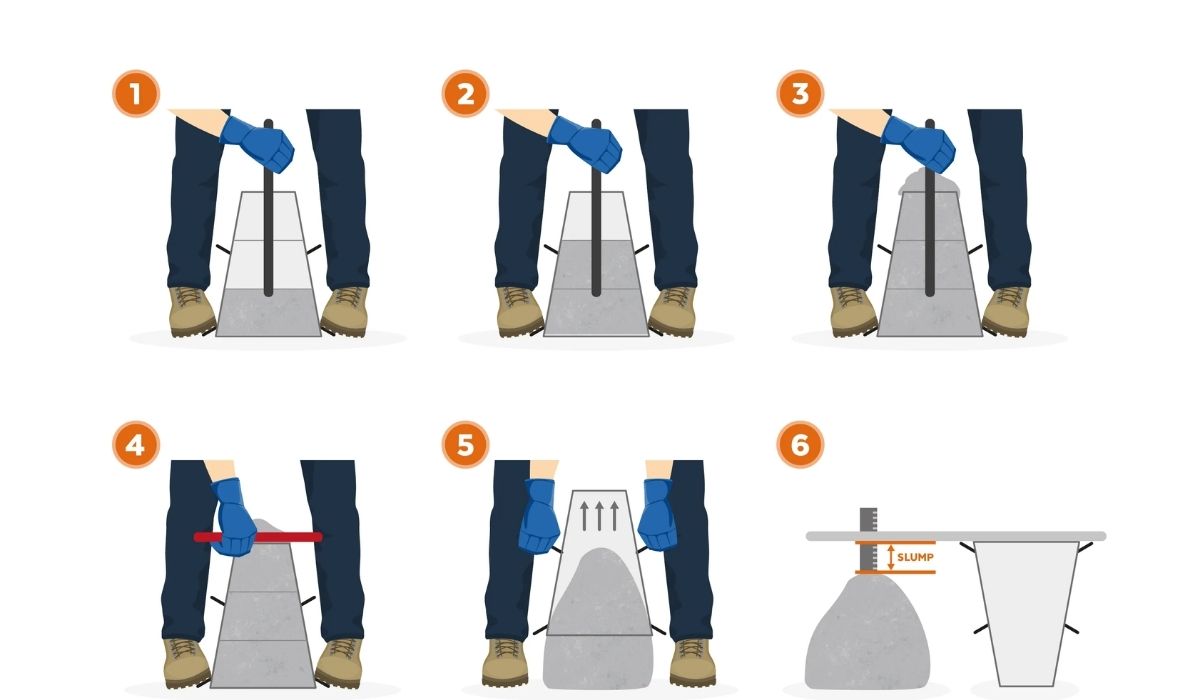
Introduction to Concrete Slumps
Concrete slumps are a critical measure of the workability and consistency of fresh concrete. In construction, concrete slumps refer to the vertical settlement of a concrete sample when a standard cone mold is lifted. The slump indicates the fluidity of the mix, which is essential for proper placement and compaction. Understanding concrete slumps helps engineers, contractors, and site supervisors ensure that the concrete will achieve the required strength and durability while being easy to work with. A proper slump test prevents issues such as cracking, segregation, or poor bonding between layers during construction projects.
Importance of Concrete Slumps in Construction
Evaluating concrete slumps is a simple yet highly effective method for assessing concrete quality on-site. The slump value determines whether the concrete mix is too stiff or too fluid, allowing immediate adjustments to water content or aggregate proportions. This is particularly important in projects involving high-rise buildings, bridges, or slabs, where uniformity and strength are critical. By monitoring concrete slumps, construction teams can maintain consistency across different batches, minimize construction defects, and optimize labor efficiency. Without proper slump measurement, the quality and safety of concrete structures could be compromised.
Equipment and Test Procedure
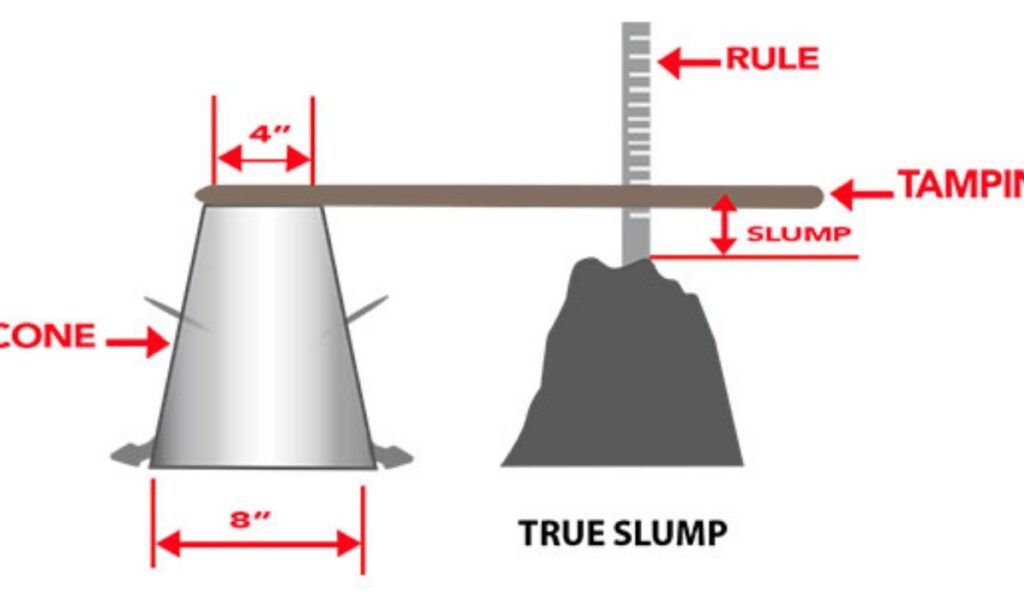
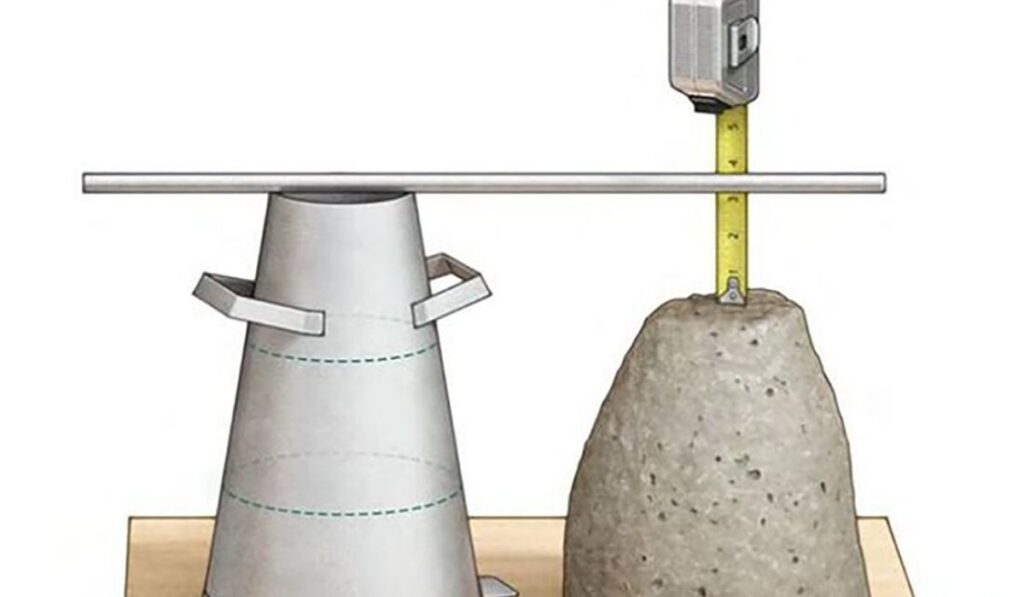
Performing a slump test requires minimal equipment but must follow precise steps to ensure accuracy. The equipment includes a metal cone, tamping rod, flat base plate, and measuring scale. Fresh concrete is placed in the cone in three layers, each compacted with the rod to remove air pockets. Once filled, the cone is lifted vertically, allowing the concrete to slump. The vertical distance from the original height of the cone to the top of the slumped concrete is measured. This measurement represents the concrete slumps value. Consistent technique is crucial because even slight deviations in placement or compaction can significantly affect test results.
Factors Influencing Concrete Slumps
Several factors influence concrete slumps, including water-cement ratio, aggregate size and grading, type of admixtures, and mixing duration. Higher water content increases slump, making concrete more fluid, but excessive water can reduce strength. Coarse or poorly graded aggregates may reduce slump, making concrete stiff and difficult to work with. Chemical admixtures like plasticizers or superplasticizers enhance flow without compromising strength. Temperature and weather conditions also play a role, as hot climates can accelerate water evaporation, affecting concrete slumps and workability. Understanding these factors allows construction professionals to optimize concrete for specific project requirements.
Types of Concrete Slumps
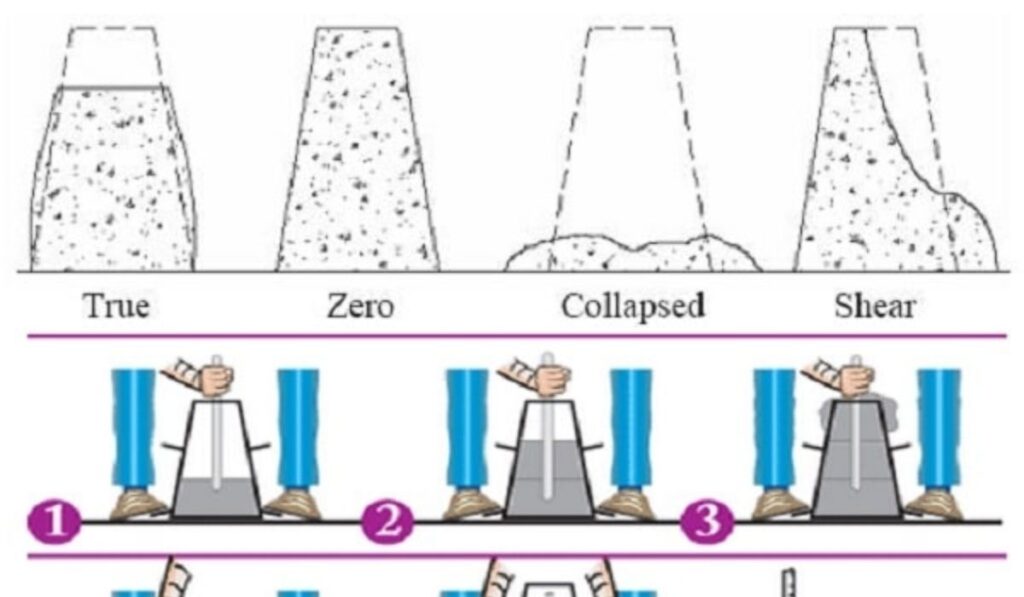
Concrete slumps are typically classified into three types: true slump, shear slump, and collapse slump. A true slump occurs when the concrete subsides evenly without disintegration, indicating a workable mix. A shear slump, where one side collapses more than the other, may signal inconsistencies in the mix. Collapse slump, where the concrete collapses completely, suggests excessive water content or an overly fluid mix. Recognizing these patterns during testing helps engineers make informed adjustments to achieve optimal concrete performance and avoid potential structural issues.
Significance in Structural Integrity
Measuring concrete slumps directly impacts the structural integrity of a project. Slump values indicate whether the mix is suitable for proper compaction, bonding, and curing. Incorrect slumps can lead to segregation, honeycombing, or weak joints, compromising the strength and longevity of concrete structures. Monitoring concrete slumps ensures that poured concrete meets design specifications and withstands environmental stresses. This practice is essential for high-stakes projects such as bridges, dams, and commercial buildings where structural failure could have severe consequences.
Adjusting Concrete Mixes Based on Slumps

Construction teams often adjust concrete mixes based on concrete slumps results. If the slump is too low, indicating stiff concrete, additional water or plasticizers may be added to improve workability. If the slump is too high, indicating a fluid mix, adjustments such as reducing water content or increasing aggregate proportion are required to maintain strength. By using concrete slumps as a guide, professionals can fine-tune the mix for the specific requirements of the site, equipment, and environmental conditions. This ensures consistent quality across batches and prevents construction delays or material wastage.
Field Applications of Slump Tests
Slump tests are widely applied in construction projects ranging from residential buildings to large infrastructure works. Engineers use concrete slumps to verify the workability of concrete before pumping into forms or molds. The test is also applied during routine quality checks to confirm consistency between batches. By conducting slump tests on-site, construction teams can detect mix variations early and prevent problems such as uneven setting or cracking. The practical application of concrete slumps testing makes it one of the most valuable quality control measures in modern construction.
Limitations of Slump Tests
While measuring concrete slumps is useful, the method has limitations. Slump tests provide information about workability but do not directly measure strength, durability, or long-term performance. Environmental conditions, operator technique, and batch variations can affect results. Additionally, some high-performance concrete mixes, such as those with very low or very high water content, may not yield accurate slump readings. Despite these limitations, slump tests remain a widely accepted and cost-effective method to assess concrete quality before placement and to guide on-site adjustments.
Advanced Considerations in Concrete Slumps
Modern construction often requires more sophisticated approaches to managing concrete slumps. Techniques such as rheology measurement, flow table tests, and automated slump measurement devices complement traditional methods. These approaches provide precise control over concrete flow and consistency, especially in large-scale or high-performance projects. Understanding the interaction between admixtures, aggregate characteristics, and environmental conditions allows engineers to optimize concrete slumps for specific performance outcomes, ensuring safer and more durable structures.
Final Thoughts on Concrete Slumps
Understanding concrete slumps is fundamental to ensuring the quality, durability, and workability of concrete in construction projects. By accurately measuring slump, adjusting mixes as needed, and monitoring environmental factors, construction professionals can achieve the desired consistency while maintaining structural integrity. Slump tests remain a simple yet essential tool in on-site quality control. For further insights into the science and practice of concrete slumps, the concrete slumps link provides detailed information, testing procedures, and historical context in civil engineering.
Frequently Asked Questions
1. What are concrete slumps?
- Concrete slumps measure the vertical settlement of fresh concrete to indicate workability.
2. Why are concrete slumps important?
- They help ensure proper consistency, workability, and structural integrity of concrete mixes.
3. What factors affect concrete slumps?
- Water-cement ratio, aggregate type, admixtures, and temperature influence slump values.
4. What are the types of concrete slumps?
- True slump, shear slump, and collapse slump indicate different mix behaviors.
5. Can concrete slumps predict strength?
- No, slump tests indicate workability but not directly the strength or durability of concrete.