 2Q Solutions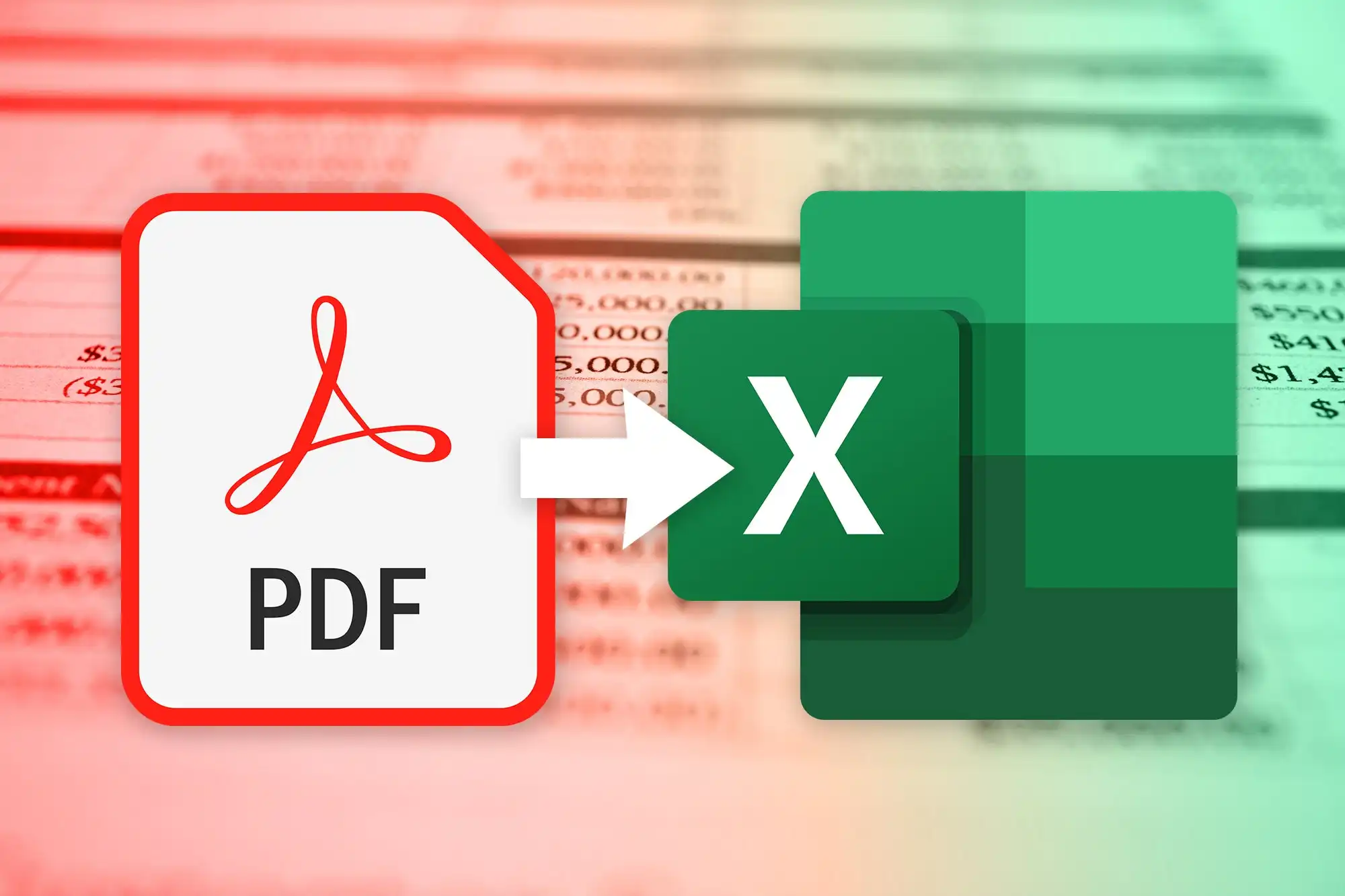
PDFs are commonly used to distribute finalized reports, invoices, financial statements, and research findings. While this format preserves layout and consistency, it can make structured data difficult to extract. When tables are locked into static pages, transferring them into spreadsheets for analysis or editing becomes a manual and time-consuming task.
PDF-to-Excel converters address this challenge by identifying tabular data within a PDF and exporting it into editable spreadsheet formats. The category includes browser-based tools for quick extraction and full-featured PDF platforms that integrate conversion into broader document management workflows. Differences typically emerge in table recognition accuracy, formatting preservation, and batch processing capabilities.
For most users seeking to extract tables from PDFs into spreadsheets, Adobe Acrobat remains the most broadly suitable option. It combines accessible web-based conversion with structured PDF editing and layout recognition tools, making it practical for occasional data extraction as well as recurring professional workflows. The alternatives below serve more specialized scenarios, including enterprise-scale processing, open-source flexibility, and lightweight online use.
Best PDF to Excel Converter for Most Users
Adobe Acrobat
A comprehensive PDF platform suited to individuals and organizations working with structured reports and tabular data.
Overview
Platforms supported: Windows, macOS, Web, iOS, Android
Pricing model: Subscription with free online tools
Tool type: Full PDF editor and file conversion suite
Strengths
- Converts PDF tables into editable Excel spreadsheets
- Preserves rows, columns, and formatting where possible
- Browser-based conversion option
- Batch processing in desktop versions
- Integration with editing and annotation tools
Limitations
- Advanced export and automation features require a subscription
- Highly complex tables may require manual adjustments after export
Editorial summary
Adobe Acrobat functions as a baseline reference in the PDF-to-Excel category because conversion is integrated into a mature document ecosystem. Users can access Adobe Acrobat’s PDF to Excel conversion directly in a browser to extract structured data into spreadsheet format.
The workflow is straightforward: upload a PDF containing tables and export it to Excel. For more complex documents, desktop tools provide additional refinement and batch capabilities.
Compared with narrower utilities, Acrobat balances accessibility with broader document management flexibility. That breadth makes it suitable for the largest share of everyday table extraction needs.
Best PDF to Excel Converter for Enterprise Data Workflows
ABBYY FineReader PDF
A professional OCR and document conversion platform designed for high-volume environments.
Overview
Platforms supported: Windows, macOS
Pricing model: Subscription or perpetual license
Tool type: Professional OCR and PDF management suite
Strengths
- Advanced table recognition
- Batch processing capabilities
- Multi-language OCR support
- Export to multiple editable formats
Limitations
- Pricing aligned with professional use
- Primarily desktop-based
Editorial summary
ABBYY FineReader PDF is frequently used in institutional environments where extracting structured data from reports is routine. Its recognition engine is designed to interpret complex layouts, including multi-column tables.
The software integrates OCR and conversion features, making it relevant when PDFs originate from scanned documents.
Conceptually, FineReader and Acrobat both provide comprehensive conversion environments. Acrobat’s browser-based accessibility and integrated PDF tools may suit a broader general audience.
Best PDF to Excel Converter for Open-Source Systems
Tabula
An open-source application focused specifically on extracting tables from PDFs.
Overview
Platforms supported: Windows, macOS, Linux
Pricing model: Free and open source
Tool type: Table extraction utility
Strengths
- Designed specifically for table extraction
- Manual selection tools for precise control
- No licensing cost
- Cross-platform compatibility
Limitations
- Requires manual region selection
- Limited features beyond table extraction
Editorial summary
Tabula is widely used in academic and research settings where extracting tabular data is a recurring task. Its interface allows users to define specific table areas within a PDF for export.
Because it focuses narrowly on table extraction, it offers fewer integrated editing or document management features.
Compared with Acrobat, Tabula provides targeted control for table extraction but lacks the broader ecosystem of PDF editing and export tools.
Best PDF to Excel Converter for Quick Online Tasks
Smallpdf
A browser-based utility suite that includes PDF-to-Excel conversion.
Overview
Platforms supported: Web
Pricing model: Free tier with paid subscription
Tool type: Online PDF conversion platform
Strengths
- Simple upload-and-convert workflow
- No installation required
- Supports additional PDF utilities
- Suitable for occasional use
Limitations
- File size limits on free tier
- Less control over complex formatting
Editorial summary
Smallpdf emphasizes convenience. Users can upload a PDF and export it as an Excel file through a streamlined browser interface.
The platform is oriented toward occasional conversion rather than structured data workflows. Formatting adjustments may be needed for complex tables.
Compared with Acrobat, Smallpdf provides fewer integrated editing features but remains practical for quick, browser-based conversions.
Best PDF to Excel Converter for Business-Focused Environments
Nitro PDF Pro
A desktop PDF editing suite with integrated conversion tools.
Overview
Platforms supported: Windows, macOS
Pricing model: Subscription or perpetual license
Tool type: Desktop PDF editing and conversion suite
Strengths
- Converts PDFs to Excel format
- Batch conversion options
- Integration with office productivity environments
- Tools for document review and annotation
Limitations
- Primarily desktop-based
- Interface oriented toward professional users
Editorial summary
Nitro PDF Pro is commonly deployed in office environments where financial statements, invoices, and operational reports require structured extraction into spreadsheets.
Its conversion tools are embedded within a broader PDF editing environment, supporting document review and revision workflows.
Compared with Acrobat, Nitro emphasizes desktop-based productivity use, while Acrobat combines comparable export capabilities with web-based flexibility.
Extracting Data Within Broader Reporting Pipelines
PDF-to-Excel conversion typically occurs during data analysis or reporting cycles. Organizations may receive finalized reports in PDF format but require the underlying data in spreadsheet form for further evaluation.
In many professional settings, extracted spreadsheets are subsequently analyzed within business intelligence or collaboration systems such as Airtable Team. These platforms organize and visualize data but do not perform PDF table extraction themselves.
Conversion tools therefore function as a bridge between static document distribution and dynamic data analysis. They transform fixed-format tables into editable datasets suitable for calculation, modeling, or visualization.
Understanding this context clarifies the complementary role of PDF-to-Excel converters within broader data management workflows.
Best PDF to Excel Converters: FAQs
Does PDF-to-Excel conversion preserve table formatting?
Most tools attempt to retain rows and columns, but complex layouts or merged cells may require manual adjustment after export.
Can scanned PDFs be converted to Excel?
Yes, if the tool includes OCR functionality. Without OCR, scanned documents may not yield editable tables.
Is manual cleanup usually required?
It depends on the complexity of the original document. Well-structured tables convert more cleanly than densely formatted reports.
When is a comprehensive PDF platform preferable to a simple converter?
A full PDF platform is often appropriate when table extraction is part of a broader workflow involving document editing, security controls, or batch processing. Lightweight converters are typically sufficient for occasional data extraction tasks.
Read More USA Times