 admin
admin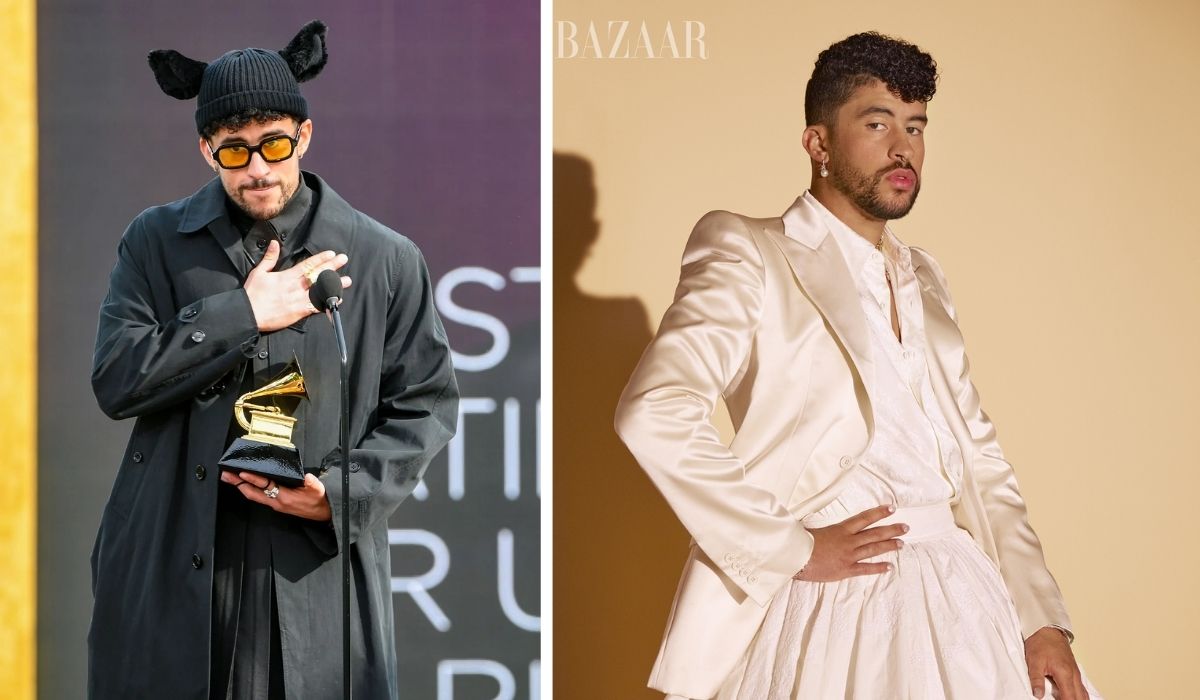
Bad Bunny, born Benito Antonio Martinez Ocasio, has transformed the Latin music landscape in ways few artists have achieved. Hailing from San Juan, Puerto Rico, he emerged from humble beginnings and quickly rose to international fame with a unique sound that blends reggaeton, Latin trap, and other genres. Unlike many artists who adhere strictly to traditional musical norms, Bad Bunny challenges conventions, experimenting with vocals, rhythms, and visual storytelling. His meteoric rise is not merely due to catchy tunes; it reflects a broader cultural resonance. Audiences around the world connect with his music because it speaks to social issues, personal struggles, and cultural pride, all while breaking stereotypes associated with reggaeton artists.
Quick Bio
| Field | Information |
| Full Name | Benito Antonio Martinez Ocasio |
| Stage Name | Bad Bunny |
| Birth Date | March 10, 1994 |
| Birth Place | San Juan, Puerto Rico |
| Genres | Reggaeton, Latin trap, hip hop |
| Years Active | 2015–present |
| Notable Albums | X 100PRE, YHLQMDLG, El Último Tour Del Mundo, Un Verano Sin Ti |
| Awards | Latin Grammy Awards, Billboard Music Awards, American Music Awards |
| Social Activism | Puerto Rican politics, gender equality, LGBTQ+ rights |
Early Life and Musical Beginnings
Bad Bunny’s story begins in the vibrant neighborhoods of San Juan, where he was immersed in music from an early age. Growing up in a working-class family, he developed an appreciation for a wide array of musical influences, from salsa to hip hop. His passion for music became more focused as a teenager, experimenting with recording equipment and producing his own tracks. Initially uploading his songs to SoundCloud, Bad Bunny gained a small but devoted following. His early tracks showcased his willingness to defy the norms of reggaeton, incorporating introspective lyrics and unconventional flows. This dedication to crafting a unique sound would become the hallmark of his career.
Breaking into the Mainstream
Bad Bunny’s breakthrough came in 2017 when he collaborated with established reggaeton artists and producers. His single “Soy Peor” catapulted him into the public eye, receiving widespread attention for its raw energy and emotional honesty. Unlike many reggaeton hits that focus solely on party themes or romantic conquests, Bad Bunny explored vulnerability, heartbreak, and self-reflection. This approach distinguished him from his peers and resonated with a younger audience eager for more nuanced storytelling. Soon after, major collaborations with artists like Cardi B, J Balvin, and Drake solidified his presence in the international music scene, proving that Latin music could dominate global charts.
Musical Style and Innovation
One of the key aspects of Bad Bunny’s influence is his innovative musical style. He seamlessly blends reggaeton with Latin trap, hip hop, rock, and even experimental sounds, creating a versatile sonic identity. His vocal delivery ranges from melodic singing to rapid-fire rapping, often within the same song. Lyrically, he tackles social issues such as gender norms, mental health, and political awareness, which is uncommon in mainstream reggaeton. Beyond music, his creativity extends to visuals. Music videos, album covers, and performances often feature bold, gender-fluid fashion and striking imagery, reinforcing his reputation as a forward-thinking artist who refuses to be boxed into traditional categories.
Redefining Masculinity in Reggaeton
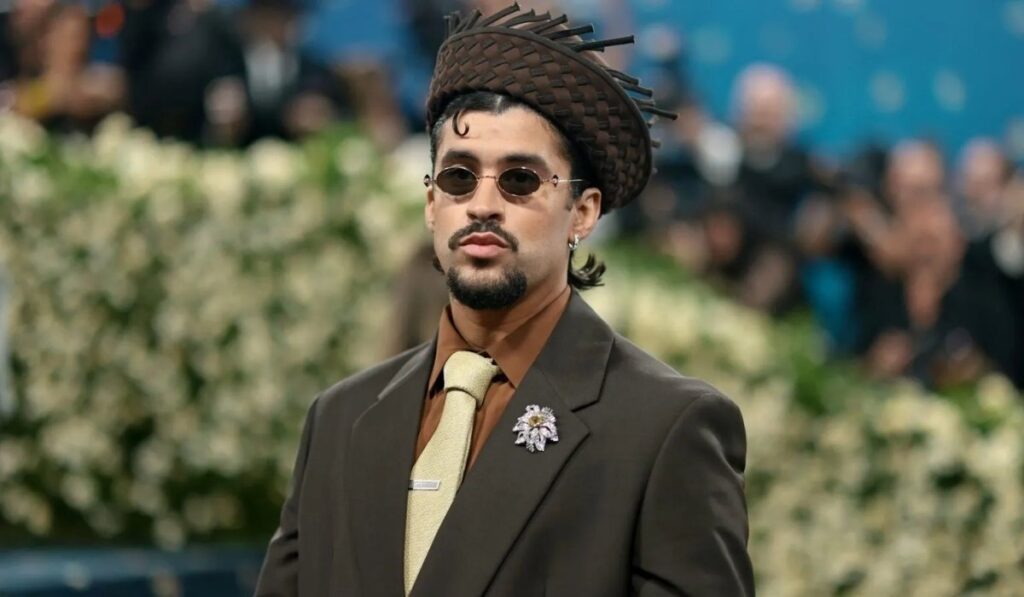
Bad Bunny has been instrumental in challenging traditional notions of masculinity in Latin music. Historically, reggaeton has often been associated with hyper-masculine, macho imagery. Bad Bunny, however, openly defies these expectations through his fashion choices, lyrics, and public persona. From wearing skirts and nail polish to discussing vulnerability in his songs, he normalizes expressions of emotion that were previously stigmatized in male Latin artists. This shift has influenced an entire generation of fans and emerging artists, expanding what it means to be a male performer in the Latin music industry.
Global Influence and Collaborations
Bad Bunny’s impact extends far beyond Puerto Rico and Latin America. Collaborations with international superstars like Drake, J Balvin, and Rosalía have brought reggaeton and Latin trap to mainstream audiences worldwide. His albums, particularly “YHLQMDLG” and “El Último Tour Del Mundo,” have achieved unprecedented chart success, topping the Billboard 200 and reaching audiences that historically might not have engaged with Latin music. By bringing Latin rhythms to global pop culture, Bad Bunny has helped create a cultural bridge, connecting fans from diverse backgrounds while elevating the visibility of Latin artists on an international stage.
Social and Political Activism
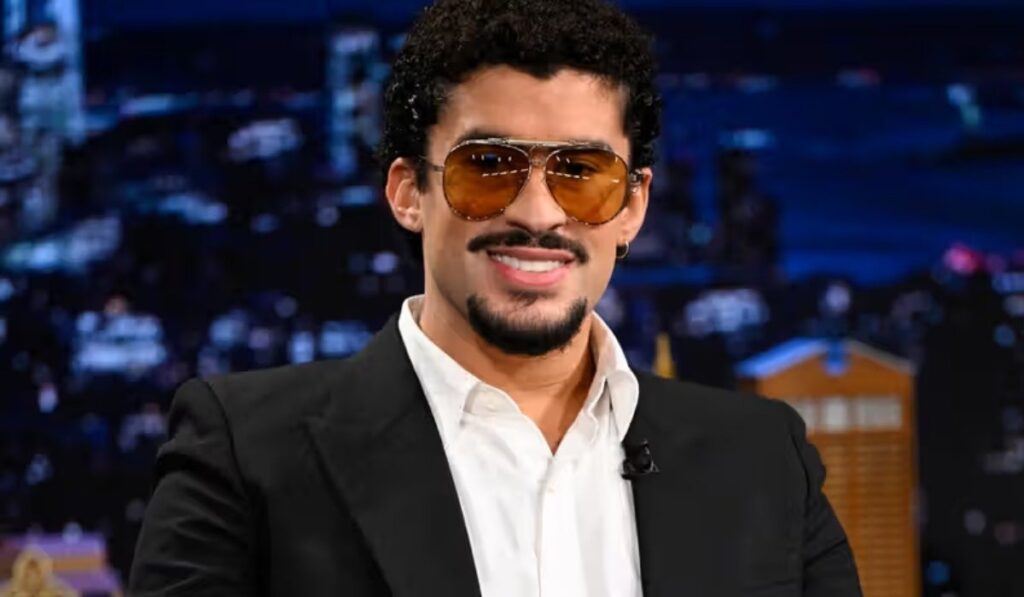
Beyond music, Bad Bunny is known for his outspoken social and political activism. He uses his platform to address issues affecting Puerto Rico, including government corruption, economic inequality, and natural disaster recovery. In 2019, he participated in protests that contributed to the resignation of Puerto Rico’s governor, demonstrating the power of artists to influence public discourse. Furthermore, he advocates for gender equality and LGBTQ+ rights, often speaking out against discrimination and violence. This commitment to activism strengthens his connection with fans and solidifies his role as a cultural icon who uses art to inspire change.
Fashion and Visual Identity
Bad Bunny’s influence extends into fashion, where he consistently pushes boundaries. He has become a trendsetter in gender-fluid and avant-garde styles, wearing outfits that challenge societal norms. High-profile magazine features, award show appearances, and stage performances showcase his commitment to bold, expressive fashion choices. This visual identity is inseparable from his music, creating a cohesive artistic persona that blends sound, imagery, and social commentary. By redefining what it means to present oneself in the public eye, he has inspired a new wave of artists to embrace individuality and authenticity.
Awards, Recognition, and Cultural Legacy
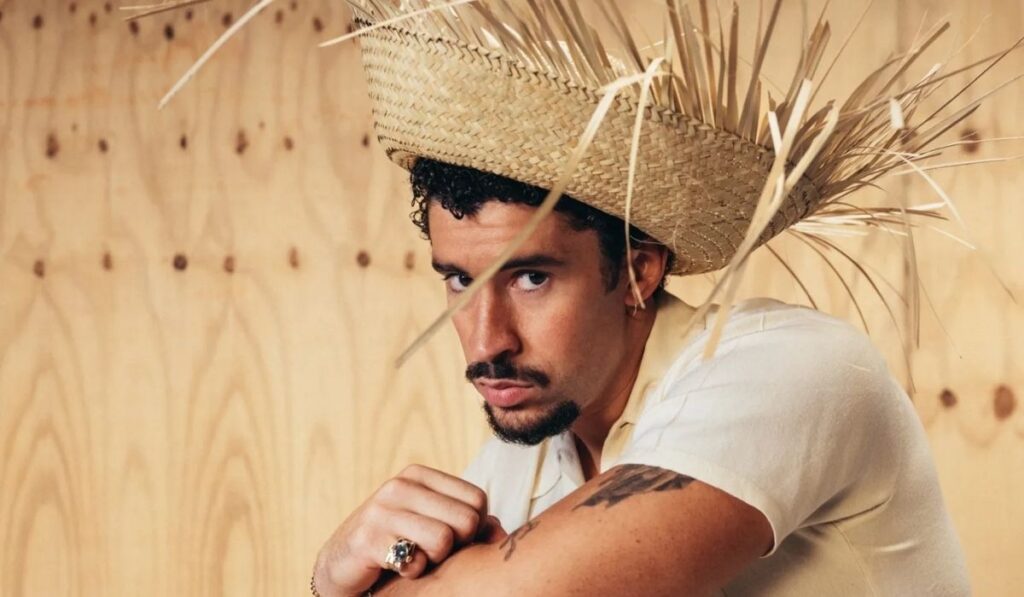
Over the course of his career, Bad Bunny has amassed numerous awards and accolades, including multiple Latin Grammy Awards, Billboard Music Awards, and recognition from international music organizations. These achievements underscore not only his musical talent but also his cultural relevance. Critics often highlight his ability to innovate within reggaeton while maintaining authenticity and relatability. As a cultural figure, his influence extends to language, fashion, and social consciousness, making him a defining artist of his generation. His legacy is not confined to his songs; it encompasses a broader reshaping of Latin music and its global perception.
Conclusion: Bad Bunny’s Enduring Impact
Bad Bunny has revolutionized reggaeton by combining musical innovation, social consciousness, and cultural authenticity. His willingness to challenge norms, both in music and public life, has inspired fans and artists alike. By embracing vulnerability, fluidity, and activism, he has expanded the possibilities of what a Latin music artist can represent. More than just a chart-topping musician, Bad Bunny is a cultural force, shaping conversations around identity, creativity, and social change. His impact will continue to resonate for years to come, proving that music can transcend entertainment to become a vehicle for cultural transformation.
Frequently Asked Questions
1. Who is Bad Bunny?
- Bad Bunny is a Puerto Rican singer, rapper, and songwriter known for revolutionizing reggaeton and Latin trap music with his innovative sound and cultural influence.
2. What makes Bad Bunny unique in reggaeton?
- He blends multiple genres, challenges traditional masculinity, addresses social issues in his lyrics, and incorporates avant-garde fashion and visuals into his artistry.
3. Has Bad Bunny won any major awards?
- Yes, he has won multiple Latin Grammy Awards, Billboard Music Awards, and other international recognitions for his contributions to music and culture.
4. How has Bad Bunny influenced global music?
- Through collaborations with international artists and chart-topping albums, he has brought Latin music to mainstream audiences worldwide and reshaped perceptions of reggaeton.
5. What social causes does Bad Bunny support?
- He actively advocates for Puerto Rican political reform, gender equality, LGBTQ+ rights, and uses his platform to address social and cultural issues.