
 2Q Solutions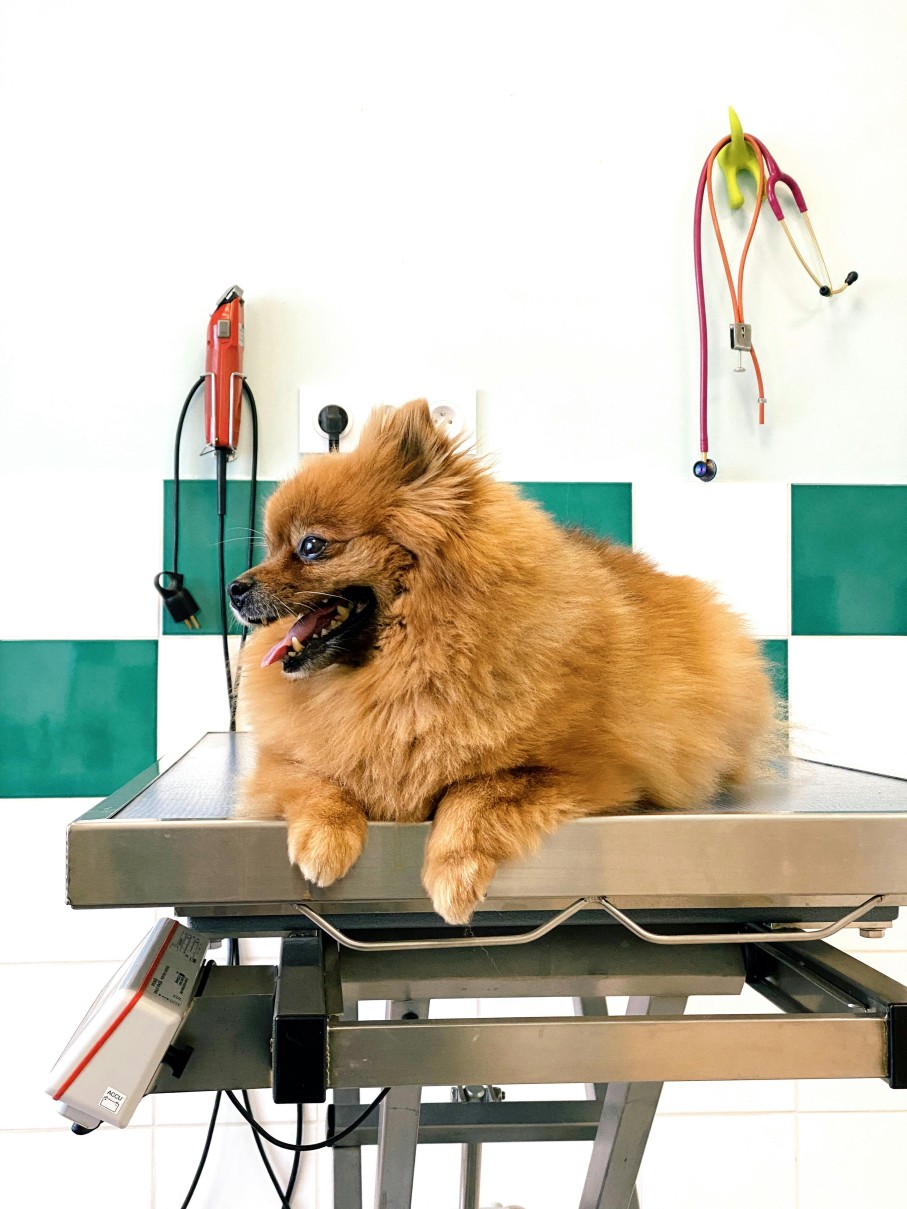
Maintaining your dog’s health and appearance isn’t just a seasonal task you can tick off a checklist. It’s an ongoing commitment that shifts and changes as the months roll by. Many pet owners tend to think about grooming when their pup starts shedding everywhere or when summer heat makes everyone uncomfortable, but the truth is, your dog needs consistent care no matter what the calendar says. Think of it as building a relationship with your dog’s needs throughout the year.
Seasonal Grooming Adjustments for Optimal Coat Health
Here’s something you’ve probably noticed, your dog’s coat doesn’t stay the same all year long, and neither should your grooming routine. Spring and summer bring that inevitable shedding avalanche when dogs lose their thick winter undercoat, meaning you’ll need to grab that brush more often to stay ahead of the loose fur and prevent those stubborn mats from forming. But there’s more to it than just reducing the fur tumbleweeds rolling across your floor. Regular brushing during warmer months actually helps spread those natural oils throughout their coat, creating that healthy shine while keeping skin irritation at bay by removing trapped dirt and debris.
Nutrition and Hydration Strategies Throughout the Year
Your dog’s appetite and thirst aren’t static, and you’ve probably noticed how they eat differently when the weather changes. Cold weather can really ramp up caloric needs, especially for dogs spending substantial time outdoors or those working breeds who never seem to slow down, they’re burning extra energy just to maintain body temperature. Summer flips the script entirely. Heat tends to suppress appetite while water consumption shoots up, which means you’ll need to keep a close eye on food intake and make sure fresh, cool water is always within reach.
Exercise and Activity Modifications for Year-Round Fitness
Staying active year-round keeps your dog physically fit, mentally sharp, and behaviorally balanced, but the approach definitely needs tweaking as seasons shift. Summer exercise requires some strategic thinking to avoid heat exhaustion, plan walks for early morning or late evening when temperatures drop and pavement won’t sear those sensitive paw pads. Swimming and other water-based activities become your best friend during hot months, offering excellent low-impact exercise while keeping everyone cool and comfortable. Winter brings its own set of challenges, particularly for short-haired breeds or senior dogs who feel the cold more intensely.
Skin and Coat Protection Against Environmental Factors
Environmental challenges don’t take breaks, and your dog’s skin and coat face different threats throughout the entire year. Winter air, whether from bitter outdoor cold or dry indoor heating, absolutely strips moisture from skin and coat, leading to flaking, itching, and that dull appearance nobody wants to see. Moisturizing treatments and running a humidifier can make a significant difference. Summer sun isn’t just uncomfortable for you, dogs with light-colored or thin coats can actually get sunburned, especially on vulnerable areas like the nose, ear tips, and belly. Pet-safe sunscreen and plenty of shade during peak sun hours become essential. Then there are seasonal allergens, spring pollen, summer grass, fall mold, that trigger uncomfortable skin reactions in sensitive dogs, making regular paw wiping after outdoor romps and potentially medicated shampoos recommended by your vet important protective measures. For pet owners who need professional grooming services to maintain their dog’s coat and skin health throughout these seasonal challenges, dog groomers in Parkland, FL provide expert care tailored to your dog’s specific needs. Protection also extends to chemical hazards like winter de-icing salts that irritate paw pads and summer lawn treatments that may cause contact dermatitis. Make it a habit to inspect your dog’s skin beneath their coat, catching early signs of hot spots, parasites, or unusual lumps means you can address issues before they escalate. Maintaining appropriate humidity levels in your home, choosing grooming products suited to your dog’s specific coat type, and creating protective barriers against harsh elements keeps skin healthy and coat lustrous no matter what nature throws at you.
Preventive Health Care and Seasonal Veterinary Considerations
Year-round care means staying ahead of potential health issues rather than just reacting when problems surface. Spring typically marks the official start of flea, tick, and heartworm season in most regions, but consistent year-round preventive medications provide the best protection regardless of what you think the risk level might be. Regular veterinary examinations, whether annual or twice yearly, allow for early detection of health concerns before they become serious problems, and strategic timing helps address seasonal issues like arthritis flare-ups when cold weather hits or allergy management when spring arrives. Dental care deserves attention throughout the entire year since oral health directly impacts overall well-being.
Conclusion
Keeping your dog looking and feeling their absolute best year-round isn’t about perfection, it’s about consistency, observation, and adapting your approach as needs change with the seasons. By weaving together comprehensive grooming practices, smart nutritional adjustments, appropriately modified exercise routines, environmental protections, and consistent preventive health care, you’re building a foundation for lifelong wellness and vitality. Remember that your dog is wonderfully unique, with breed-specific requirements, individual sensitivities, and personal preferences that should always guide your care decisions. Regular communication with veterinary professionals, professional groomers, and other pet care specialists provides valuable insights and support for maintaining optimal health throughout your dog’s entire life.