
 World ranker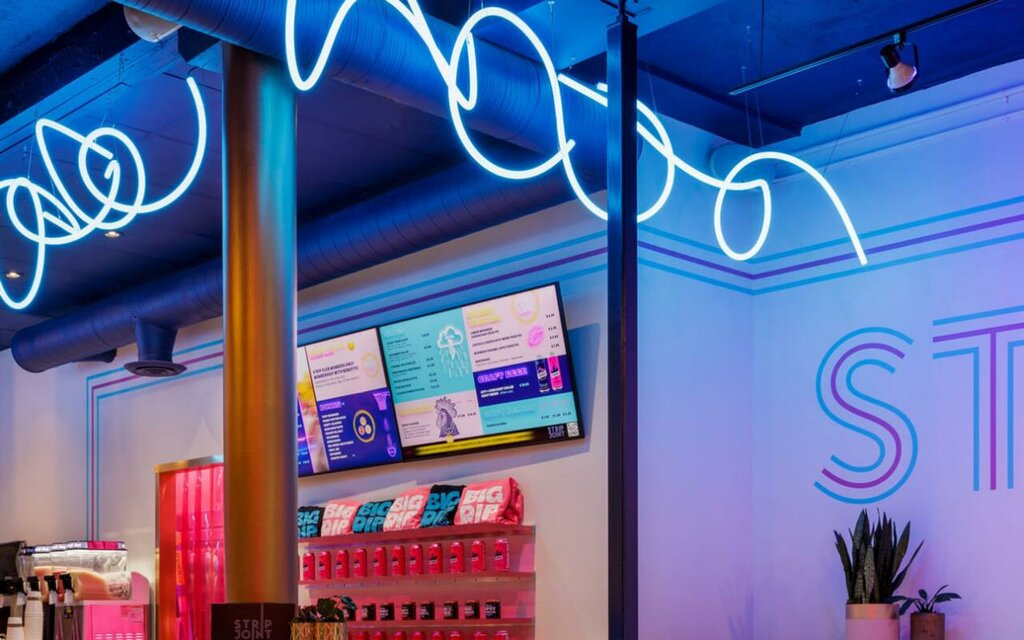
In the contemporary landscape of retail, hospitality, and corporate design, “branding” has evolved from a two-dimensional logo into a multi-sensory environment. Today’s consumers do not just buy products; they buy into atmospheres, values, and experiences. As physical spaces compete with the convenience of e-commerce, the “Instagrammability” and emotional resonance of a brick-and-mortar location have become paramount.
Among the arsenal of design tools, neon lighting has staged a spectacular comeback. However, the flickering, buzzing glass tubes of the past have been replaced by a sophisticated successor. The integration of SignliteLED solutions into modern architecture represents a fusion of nostalgic aesthetics and 21st-century efficiency, providing brands with an unprecedented medium for creative expression.
The Psychology of Light: Why Neon Captivates the Human Brain
To understand the power of neon in branding, one must first understand how the human eye and brain perceive light. Human beings are naturally phototropic—we are drawn to light sources. In a dark or visually cluttered environment, a glowing line of light acts as a visual anchor.
Unlike standard overhead LED panels which provide utility, neon-style lighting provides character. The continuous, dot-free glow of a high-quality strip mimics the fluidity of handwriting or organic shapes. This “soft” glow reduces visual fatigue while maintaining high visibility. Furthermore, color psychology plays a critical role. A luxury brand might use a warm, 2700K “vintage” white to evoke heritage, while a tech startup might opt for a vibrant electric blue to signal innovation.
Technical Superiority: Why LED Flex is the Industry Gold Standard
The transition from traditional gas-discharge neon to LED-based systems was driven by more than just trendiness; it was a response to the practical demands of commercial operations.
1. Durability and Longevity
Traditional neon is made of lead glass, which is notoriously fragile. In high-traffic commercial zones, the risk of breakage is high. In contrast, LED neon is constructed from robust, flexible silicone or PVC. It can withstand vibrations, minor impacts, and the rigors of shipping and installation without the risk of shattering.
2. Efficiency and Operational Costs
For a global brand with hundreds of locations, energy consumption is a major line item. LED technology utilizes semiconductors to convert electricity into light, wasting almost no energy as heat. This results in an 80% reduction in power consumption compared to traditional neon, allowing brands to keep their displays illuminated 24/7 while meeting sustainability targets.
3. Safety and Low Voltage
Operating on 12V or 24V DC, LED neon is safe to the touch. This “cool-to-the-touch” characteristic allows designers to place lighting in areas previously considered off-limits, such as under-counter accents or interactive photo booths.
Deep Dive: The Science of Color Rendering (CRI and TM-30)
In professional branding, “close enough” is never good enough when it comes to color. This is where the technical specifications of high-quality LED neon flex become critical.
The Importance of High CRI (Color Rendering Index)
CRI is a quantitative measure of a light source’s ability to reveal the colors of various objects faithfully in comparison with a natural light source. For retail brands, particularly in fashion or cosmetics, a low CRI can make high-end products look dull or “off-color.” Top-tier LED neon strips now offer CRI 90+, ensuring that the vibrant red of a designer handbag or the subtle skin tones in a beauty salon are represented accurately.
Understanding TM-30-15
While CRI is the standard, many lighting designers now look at TM-30-15, a more comprehensive metric that measures Fidelity (Rf) and Gamut (Rg). A high Fidelity score ensures accuracy, while a high Gamut score ensures saturation. In branding, you want your neon to not only be accurate but to make the surrounding environment feel “alive.”
Advanced Integration: Smart Buildings and IoT Control
We are moving beyond simple “On/Off” switches. Modern commercial lighting is part of a larger, interconnected ecosystem.
DMX512 and RDM Integration
For large-scale installations—such as a stadium facade or a multi-story flagship store—LED neon strips are often controlled via DMX512. This allows for pixel-perfect control, where each segment of the neon can be programmed to change color, chase, or pulse in synchronization with music or digital signage.
Daytime Harvesting and Dimming
Integrating sensors allows the neon brightness to adjust automatically based on the amount of natural light entering the space. During high-noon, the strips boost to maximum brightness to punch through window reflections. In the evening, they dim to a comfortable level, saving energy and extending the lifespan of the LEDs.
App and Voice Control
For boutique spaces, the ability to change the store’s “mood” via a smartphone app or voice command (e.g., “Set store to Evening Mode”) allows staff to manage the customer experience without needing technical expertise.
Industry-Specific Solutions: Where Neon Shines Best
1. The Hospitality Sector: Mood and Intimacy
In hotels and bars, the goal is often “vibe” over visibility. Designers use “Dim-to-Warm” LED neon flex, which mimics the behavior of incandescent bulbs—as you dim the light, the color temperature becomes warmer (shifting from 3000K down to 1800K). This creates an intimate, candle-lit atmosphere perfect for high-end lounges.
2. Corporate Offices: Culture and Wayfinding
Modern workspaces use neon to break the monotony of the “gray office.” Custom neon signs in breakrooms featuring company values can boost employee morale. Furthermore, recessed linear neon in hallways serves as a sleek wayfinding tool that reinforces the brand’s forward-thinking identity.
3. Outdoor Architectural Branding
External grade LED neon (IP67 or IP68) is revolutionizing skylines. Unlike traditional spotlights that wash a building in light, neon strips allow for “contour lighting,” where the very skeleton of the building is traced in light. This creates a recognizable silhouette that can be seen from miles away.
Installation Mastery: Ensuring a Flawless Finish
The difference between a DIY-look and a professional architectural finish lies in the installation.
l Mounting Channels: For perfectly straight lines, aluminum profiles are used. They act as a heat sink and ensure the strip never sags.
l Silicone vs. PVC: In premium branding, silicone is preferred. It is more flexible, resistant to UV yellowing, and can withstand extreme temperature fluctuations without cracking.
l Power Supply Placement: One of the biggest challenges is hiding the “clutter.” Professional installations involve remote-mounting power drivers in accessible service panels, ensuring that only the clean, glowing line of the neon is visible to the public.
Sustainability and the Circular Economy
As we approach 2030, “Green Branding” is no longer optional. The environmental footprint of a brand’s physical footprint is under scrutiny.
l Mercury-Free: Unlike traditional gas neon, LED flex contains no toxic gases or heavy metals.
l Recyclability: Many modern silicone-based strips are designed with the circular economy in mind, allowing for easier disassembly and recycling at the end of their 50,000-hour life cycle.
l Carbon Offset: The drastic reduction in wattage directly translates to lower CO2 emissions, allowing corporations to include their lighting upgrades in their annual sustainability reports.
Conclusion: The Future is a Glowing Line
The integration of LED neon strip lighting in branding spaces is not a passing trend; it is a fundamental shift in interior design. It bridges the gap between the digital and physical worlds, providing a tactile, glowing presence that resonates with modern consumers.
By choosing the right partners and materials, brands can create environments that don’t just sell products, but tell stories. Whether you are looking to revitalize a legacy brand or launch a disruptive new concept, the glow of LED neon provides the emotional bridge between a brand and its audience. The brands that shine the brightest will be those that master the art of luminescent storytelling.