 World ranker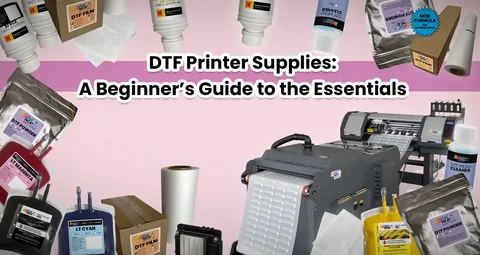
Starting a custom apparel business or making personalized shirts at home has never been easier. DTF printing is one of the best methods for beginners because it works on almost any fabric, produces bright colors, and creates durable prints. This guide explains everything you need to know to get started, including the essential equipment, consumables, and realistic startup costs.
If you are new to printing, do not worry. We will break it down step by step in simple terms so you can follow along and make smart buying decisions.
What Is DTF Printing and Why Is It Great for Beginners
DTF stands for Direct to Film. You print your design on a special film, add adhesive powder, cure it, and then heat press the design onto a shirt or other item. The process gives you soft, stretchy prints that last through many washes.
Beginners like DTF because you do not need years of experience. It works on cotton, polyester, dark shirts, light shirts, hoodies, and even tote bags. You can start small and grow your business without huge risks.
Essential Equipment for DTF Printing
Here are the main machines and tools you need.
DTF Printer: The printer is the biggest investment. For beginners, a good starter choice is an A3 or A4 size model. Many people begin with an Epson dual head DTF printer because it offers reliable performance and prints both color and white ink well. These printers are modified inkjet machines designed specifically for DTF inks.
Heat Press: You need a heat press to transfer the design to the garment. A basic 15×15 inch flat heat press works great for most shirts. Look for one with good temperature control and even pressure.
Powder Shaker and Curing Station: After printing, you apply adhesive powder. A manual shaker works for very small starts, but an automatic powder shaker saves time and gives even results. You also need a way to cure the powder — either the heat press, a small oven, or a dedicated curing machine.
Computer and Design Software: Any regular computer works. Use free or low-cost programs like Canva, Photoshop, or Inkscape to create designs. You will also need RIP software that controls the printer and handles white ink layers.
Other Tools You will need a weeding tool or scissors to cut designs, heat tape, and protective paper for pressing.
Consumables You Will Use Regularly
Consumables are the supplies you buy again and again.
DTF Inks: Need CMYK colors plus white ink. White ink is especially important because it creates the base so colors look bright on dark fabrics. Buy inks that match your printer model to avoid clogs.
DTF Transfer Film: This is the special PET film you print on. It comes in rolls or sheets. Beginners usually start with A3 or A4 size film. There are hot peel and cold peel types — try both to see what you like.
Hot Melt Adhesive Powder: The powder makes the ink stick to the fabric. It comes in fine, medium, or coarse grains. Most beginners start with fine powder for softer feel.
Garments and blanks: T-shirts, hoodies, and tote bags are your printing surfaces. Buy good-quality blanks that can handle heat.
You can find quality inks, film, powder, and complete starter packages at dtflinko.com.
Realistic Startup Cost Analysis
Let’s look at how much money you need to begin. Costs vary depending on how serious you want to get.
Basic Starter Setup (Under $2,000)
- Modified A3 DTF printer: $800 – $1,500
- Small heat press: $200 – $400
- Initial inks and film: $150 – $300
- Powder and tools: $100
- Total: Around $1,500 or less if you find good deals.
This basic setup lets you make shirts at home and test the market.
Mid-Range Professional Setup ($3,000 – $6,000)
- Better Epson dual-head DTF printer with auto feeder or larger print size: $2,000 – $4,000
- Good 16×20 heat press: $400 – $600
- Automatic powder shaker: $500 – $800
- RIP software and computer upgrades: $300
- Bulk inks, film, and powder for the first months: $500
- Total: $4,000 – $6,000
This level supports small business orders and faster production.
Ongoing Monthly Costs After startup, expect to spend $300 – $800 per month on inks, film, powder, and blanks, depending on how many shirts you sell. As you grow, buying in bulk lowers the cost per print.
Many beginners recover their investment within 2 to 6 months if they sell 50–100 shirts per month at a good profit margin.
Step-by-Step DTF Process for Beginners
- Design your image and mirror it.
- Print on the film using your DTF printer (colors first, then white).
- Apply adhesive powder while the ink is wet.
- Cure the powder with heat until it melts.
- Cut out the design.
- Pre-press the shirt, then heat-press the transfer at the correct temperature and for the correct time.
- Peel the film and press again for the best results.
Practice on a few old shirts first. It takes a little time to get consistent results, but the learning curve is reasonable.
Tips for Beginners Starting DTF Printing
Start small and focus on learning one printer and one type of film before buying more equipment. Keep your workspace clean because dust and moisture can affect prints.
Maintain your printer well. Run cleaning cycles regularly to prevent white ink clogs. Store inks and powder in a cool, dry place.
Test different fabrics and pressing settings. Each garment may need slight changes in time or temperature.
Price your shirts correctly. Include material costs, time, and a fair profit so your business can grow.
Join online communities, watch tutorial videos, and learn from others who started just like you.
Common Mistakes New DTF Users Make
- Buying the cheapest equipment without checking reviews.
- Not matching inks and film properly.
- Using wrong heat press settings, which causes peeling.
- Overloading the printer or skipping maintenance.
- Trying to sell before perfecting the process.
Take time to test everything. Good quality prints bring repeat customers.
Is DTF Printing Right for You?
DTF printing is beginner-friendly, flexible, and profitable. You can start part-time from home and scale up as your orders increase. The equipment pays for itself faster than many other printing methods because of low waste and high-quality results.
Whether you want to make shirts for family, sell online, or build a full custom apparel brand, DTF gives you the tools to succeed.