 World ranker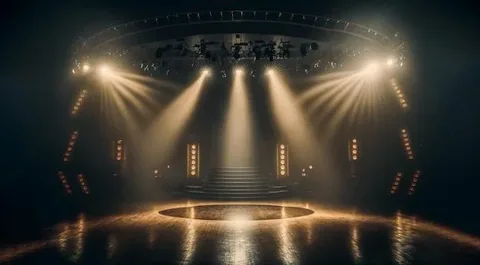
When it comes to live performances, few elements shape the audience’s experience as profoundly as lighting. A well-designed stage spotlight does more than illuminate performers—it tells a story, creates emotion, and directs attention exactly where it matters most. Whether it’s a concert, theater production, corporate event, or live broadcast, stage lighting has evolved into a sophisticated art backed by cutting-edge technology.
In this guide, we’ll explore everything you need to know about stage spotlight systems, including how they work, why they matter, and how modern innovations like moving heads lighting are redefining the industry.
What Is a Stage Spotlight?
A stage spotlight is a focused lighting fixture designed to highlight a specific area or performer on stage. Unlike general wash lighting, which spreads light evenly across a wide area, spotlights are precise and controlled. They ensure that the audience’s attention is drawn to the most important part of the performance.
Spotlights are commonly used in:
- Theater productions to emphasize actors
- Concerts to highlight performers or soloists
- Conferences and events for keynote speakers
- Film and television productions
The key strength of a stage spotlight lies in its ability to combine brightness, focus, and direction into a single powerful beam.
Why Stage Spotlight Matters in Performance Design
Lighting is not just functional—it’s emotional and psychological. A well-positioned stage spotlight can:
1. Direct Audience Attention
In any performance, there are moments that matter most. Spotlights guide the audience’s eyes exactly where they should be, eliminating distractions.
2. Create Atmosphere
Lighting influences mood. A soft spotlight can evoke intimacy, while a sharp, bright beam can create intensity and drama.
3. Enhance Visual Clarity
Performers need to be seen clearly. A high-quality stage spotlight ensures visibility without washing out details or colors.
4. Support Storytelling
In theater and live shows, lighting transitions help convey time, emotion, and narrative shifts.
Types of Stage Spotlights
Understanding the different types of stage spotlights helps you choose the right setup for your needs.
1. Follow Spotlights
These are manually operated lights used to track performers as they move across the stage. They are essential for live shows and musicals.
2. Ellipsoidal Spotlights (ERS)
Known for their precision, these spotlights offer sharp beam edges and are widely used in theaters.
3. Fresnel Spotlights
These provide a softer beam with adjustable edges, ideal for blending light across a stage.
4. LED Spotlights
Modern LED spotlights are energy-efficient, long-lasting, and capable of producing a wide range of colors without filters.
The Rise of Moving Heads Lighting
One of the most exciting advancements in stage lighting is moving heads lighting. Unlike traditional fixed fixtures, these intelligent lights can pan, tilt, change color, and adjust beam shape dynamically.
What Makes Moving Heads Lighting Unique?
- Automation: Controlled via DMX systems, allowing synchronized light shows
- Versatility: Can act as spotlights, wash lights, or beam lights
- Dynamic Effects: Create movement, patterns, and color transitions in real-time
How Moving Heads Complement Stage Spotlights
While a stage spotlight provides focus, moving heads lighting adds motion and energy. Together, they create a balanced lighting design:
- Spotlights highlight key performers
- Moving heads fill the stage with dynamic visuals
- Combined, they produce a professional, immersive experience
Key Features to Look for in a Stage Spotlight
When selecting a stage spotlight, quality and performance should be top priorities. Here are the essential features to consider:
1. Brightness (Lumens or Watts)
A powerful spotlight ensures visibility even in large venues or outdoor settings.
2. Beam Angle
Adjustable beam angles allow you to control how focused or wide the light is.
3. Color Accuracy
High-quality lighting ensures true-to-life colors, which is critical for stage aesthetics.
4. Durability
Stage equipment must withstand frequent use, transport, and varying conditions.
5. Control Compatibility
Modern spotlights should integrate with DMX controllers for seamless operation alongside moving heads lighting.
How to Design an Effective Stage Lighting Setup
Creating a professional lighting setup involves more than just placing a few lights on stage. Here’s a simple approach:
Step 1: Define the Purpose
Is it a concert, theater show, or corporate event? Each requires a different lighting strategy.
Step 2: Layer Your Lighting
Use a combination of:
- Stage spotlight for focus
- Wash lights for general illumination
- Moving heads lighting for dynamic effects
Step 3: Position Strategically
Place spotlights at angles that avoid shadows while highlighting performers naturally.
Step 4: Use Color Wisely
Colors influence mood—warm tones for intimacy, cool tones for drama.
Step 5: Program Transitions
Smooth transitions between scenes enhance the audience experience.
Benefits of Modern LED Stage Spotlights
The shift to LED technology has revolutionized stage lighting. Compared to traditional halogen fixtures, LED stage spotlights offer:
- Energy Efficiency: Lower power consumption
- Long Lifespan: Reduced maintenance costs
- Low Heat Output: Safer for performers and equipment
- Color Flexibility: No need for external filters
When combined with moving heads lighting, LED technology enables complex, synchronized light shows that were once difficult to achieve.
Choosing the Right Lighting Partner
For professionals seeking reliable and high-performance lighting solutions, manufacturers like XMLite Lighting provide a wide range of advanced stage lighting equipment. Their offerings include:
- High-intensity stage spotlight systems
- Advanced moving heads lighting fixtures
- Durable, event-ready lighting solutions
Working with a trusted provider ensures consistent performance, safety, and long-term value.
Common Mistakes to Avoid
Even experienced event planners can make lighting mistakes. Here are a few to watch out for:
Overlighting the Stage
Too much light can wash out performers and reduce visual impact.
Poor Spotlight Positioning
Incorrect angles can create harsh shadows or blind performers.
Ignoring Movement
Static lighting can feel dull—this is where moving heads lighting adds excitement.
Lack of Planning
Lighting should be designed in advance, not improvised at the last minute.
The Future of Stage Lighting
The future of stage spotlight technology is driven by innovation and integration. Emerging trends include:
- Smart Lighting Systems with AI-based automation
- Wireless Control for greater flexibility
- Enhanced LED Capabilities with higher brightness and color precision
- Integration with Visual Effects such as video mapping
As technology advances, the combination of stage spotlight systems and moving heads lighting will continue to push creative boundaries.
Final Thoughts
A stage spotlight is more than just a lighting tool—it’s a storytelling instrument that shapes how audiences perceive a performance. When paired with modern innovations like moving heads lighting, it becomes part of a powerful visual experience that captivates and inspires.
Whether you’re organizing a live event, designing a theater production, or upgrading your lighting setup, investing in high-quality stage lighting is essential. With the right combination of precision, creativity, and technology, you can transform any stage into a memorable spectacle.