
 admin
admin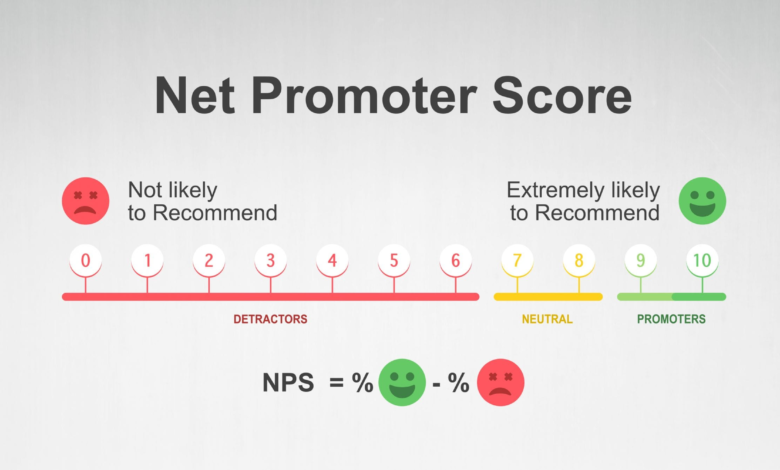
Net Promoter Score (NPS) is one of the most widely used metrics for measuring customer loyalty, based on a simple question: how likely a guest is to recommend a hotel to others. Its strength lies in its clarity—by categorizing guests into promoters, passives, and detractors, hotels can quickly gauge overall satisfaction and brand perception. In the context of hotel net promoter score, this metric has become a standard benchmark for understanding guest experience and identifying opportunities for improvement.
Hotels rely on NPS not only to measure satisfaction but also to predict repeat bookings and long-term revenue. Industry research suggests that increasing customer retention by just 5% can boost profits by 25–95%, and by 2027, more than 70% of hospitality brands are expected to prioritize customer experience metrics like NPS as a core performance indicator. Guests who are promoters are significantly more likely to return, spend more, and generate positive word-of-mouth, making NPS a valuable strategic tool.
However, there is often a gap between collecting feedback and actually using it effectively. Many hotels gather NPS data but fail to translate it into actionable insights, leaving valuable information underutilized. Common mistakes—such as poor survey timing, lack of segmentation, or ignoring follow-up actions—can limit the impact of even the most well-designed feedback programs. Understanding these pitfalls is essential for turning NPS from a passive metric into a driver of meaningful business growth.
Poor Survey Design and Timing
Even the most well-intentioned NPS programs can fail if surveys are poorly designed or delivered at the wrong time. Sending surveys too early—before the guest has fully completed their stay—or too late—when the experience is no longer fresh—can significantly reduce response rates and distort feedback. Timing directly affects how accurately guests recall their experience, making it a critical factor in collecting meaningful insights.
Survey structure also plays a major role. Overloading guests with too many questions often leads to survey fatigue, causing them to abandon the form or provide rushed, low-quality responses. In addition, unclear or biased wording can influence answers, reducing the reliability of the data. Another common issue is the lack of mobile optimization—since a large share of guests open surveys on their phones, poorly designed mobile experiences can result in missed feedback opportunities.
How to avoid:
- Trigger surveys shortly after checkout, when the guest experience is still fresh and easy to recall
- Keep surveys concise, focusing on a clear primary NPS question with minimal follow-ups
- Ensure a mobile-friendly, user-friendly design that works seamlessly across devices
- Test different timing strategies and formats to identify what delivers the highest response rates
By refining both timing and design, hotels can significantly improve response quality and participation, turning NPS surveys into a reliable source of actionable guest insights rather than incomplete or misleading data.
Collecting Data Without Context
Collecting NPS scores without supporting context limits their value and can lead to misleading conclusions. While the score itself indicates overall sentiment, it does not explain why a guest feels a certain way. Relying solely on the number—without qualitative feedback—prevents hotels from identifying specific issues or strengths, making it difficult to take meaningful action.
Another common challenge is the lack of segmentation. When responses are not broken down by guest type, booking channel, or stay purpose, important patterns remain hidden. For example, business travelers and leisure guests may have very different expectations, and aggregating their feedback can blur critical insights. Additionally, ignoring operational data—such as room category, length of stay, or service usage—limits the ability to connect feedback with real experiences and touchpoints.
How to avoid:
- Always pair NPS with open-ended follow-up questions to capture the reasoning behind each score
- Segment responses by guest profiles, booking sources, and travel intent to uncover meaningful patterns
- Combine NPS data with PMS, CRM, and booking system data to create a more complete view of the guest journey
By adding context to NPS data, hotels can move beyond surface-level metrics and gain actionable insights that drive targeted improvements, better personalization, and stronger guest loyalty.
Failing to Act on Feedback
One of the most common mistakes hotels make is treating NPS as a reporting metric rather than a practical tool for improvement. When feedback is only collected and reviewed at a high level—without clear follow-up actions—it loses its strategic value. In many cases, detractors are not contacted, promoters are not acknowledged, and valuable insights remain unused, resulting in missed opportunities to improve guest satisfaction and loyalty.
A major issue behind this is the lack of structured internal processes for turning feedback into operational change. Without clear ownership, insights often remain isolated within reports instead of being translated into actionable tasks. This problem is further amplified when departments such as front desk, housekeeping, and marketing operate in silos, limiting the flow of information across the organization and preventing a unified response to guest concerns.
How to avoid:
- Establish clear workflows to respond to guest feedback quickly, especially for negative experiences
- Use NPS insights to directly inform operational, service, and experience improvements rather than just tracking performance
- Share feedback consistently across all departments to ensure alignment between teams
- Close the feedback loop by informing guests about improvements made based on their input, strengthening trust and loyalty
When hotels actively act on feedback instead of just collecting it, NPS becomes a powerful driver of continuous improvement, helping transform guest insights into measurable service enhancements and long-term loyalty.
Inaccurate Analysis and Misinterpretation
NPS data can easily lose its value when it is misinterpreted or analyzed without proper context. One common mistake is focusing only on the overall score while ignoring underlying trends and patterns. A single number rarely tells the full story—fluctuations over time, seasonal changes, or differences between guest segments often provide far more meaningful insights into performance.
Another issue is comparing NPS across unrelated segments or timeframes, which can lead to misleading conclusions. For example, mixing leisure and business traveler feedback or comparing peak season results with off-season performance distorts the analysis. Small sample sizes further increase the risk of inaccurate interpretations, as they may not reflect the true guest experience. Without proper visualization tools or structured reporting systems, it becomes even harder to identify what the data is really saying.
How to avoid:
- Track NPS trends over time rather than relying on isolated score snapshots
- Benchmark results within relevant and comparable guest segments
- Ensure sample sizes are statistically significant before drawing conclusions
- Use advanced analytics platforms and dashboards to visualize patterns and correlations
When supported by the right tools and analytical approach, NPS becomes far more reliable and actionable. Technology partners like COAX Software, which specialize in custom hotel software development, help hotels build solutions for accurate data collection, real-time analysis, and clear, actionable reporting—reducing the risk of misinterpretation and improving decision-making quality.
Turn Feedback Into Real Guest Loyalty
NPS becomes a truly valuable metric only when it is collected at the right time, analyzed in context, and—most importantly—acted upon consistently. Without proper survey design, segmentation, and interpretation, even high-quality feedback can lead to incomplete or misleading conclusions that limit its strategic value.
By avoiding common mistakes such as poor timing, lack of context, weak analysis, and inaction, hotels can transform NPS from a simple reporting tool into a powerful driver of guest loyalty and operational improvement. When used correctly, it reveals not just how guests feel, but what needs to change to improve their experience and strengthen long-term relationships.