
 World ranker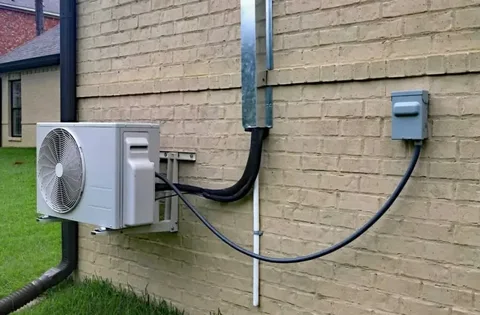
Ductless mini-split systems have become one of the most popular choices for home cooling and heating in the Pacific Northwest — and for good reason. They’re energy-efficient, easy to install in older homes without existing ductwork, and allow room-by-room temperature control. But like any HVAC equipment, they can and do develop problems, often at the worst possible time.
If your ductless system has stopped performing the way it should, here’s what you need to know — including the most common issues, warning signs to watch for, and when it makes sense to call a professional.
How Ductless Mini-Split Systems Work
A ductless mini-split system consists of two main components: an outdoor compressor unit and one or more indoor air-handling units mounted on the wall or ceiling. Refrigerant lines connect the two, transferring heat in or out of your home depending on the season.
Because there’s no ductwork involved, these systems lose very little energy to air leakage — a major advantage over traditional central HVAC. However, that same refrigerant-based design means repairs require a licensed technician with proper EPA certification, not a DIY fix.
7 Common Ductless Mini-Split Problems
1. Not Cooling or Heating Properly This is the most frequent complaint. The cause could be low refrigerant, a dirty air filter, a malfunctioning compressor, or a faulty thermostat sensor. Each requires a different fix, which is why professional diagnostics matter.
2. Water Leaking from the Indoor Unit A clogged condensate drain line is the most common culprit. When the drain gets blocked, water backs up and drips from the unit — often onto walls or floors. Left unaddressed, this can cause water damage and mold growth.
3. Ice or Frost Build-Up on the Coils Frozen coils usually indicate restricted airflow (from a dirty filter) or low refrigerant. Running a frozen mini-split causes additional strain on the compressor and can lead to a much more expensive repair.
4. Unusual Noises — Buzzing, Clicking, or Hissing A buzzing sound can point to electrical issues. Clicking at startup and shutdown is often normal, but persistent clicking may indicate a relay problem. A hissing sound is a serious warning sign of a refrigerant leak.
5. Error Codes on the Display Modern mini-splits display error codes when something goes wrong. These codes vary by brand — a Mitsubishi error code means something different than a Daikin or Fujitsu code — so having a technician familiar with your specific brand is important.
6. Unresponsive Remote or Controls Sometimes this is as simple as dead batteries or a signal obstruction, but it can also point to a failed control board, which requires professional diagnosis.
7. Bad Odors from the Unit Musty smells typically indicate mold or mildew inside the unit or drain line. A burning smell is more urgent and could signal an electrical problem that needs immediate attention.
DIY Maintenance vs. Professional Repair
There are a few things homeowners can safely do on their own: cleaning or replacing the indoor air filter every few weeks, clearing debris from around the outdoor unit, and making sure supply vents aren’t blocked by furniture.
Everything else — refrigerant handling, electrical components, compressor diagnostics, coil cleaning — requires a licensed technician. In Washington State, HVAC work involving refrigerants must be performed by a technician holding an EPA Section 608 certification. Attempting to handle refrigerant without certification is not only dangerous but also a federal violation.
Repair or Replace: How to Decide
The general industry guideline is similar to other HVAC systems: if the repair cost exceeds 50% of the price of a new unit, and the system is over 10 years old, replacement may be the smarter investment. Mini-splits typically last 15–20 years with proper maintenance, so a well-maintained system in its early years is almost always worth repairing.
Brand also matters. Systems from Mitsubishi, Daikin, Fujitsu, and LG are known for durability and widely available parts — making repairs more straightforward and cost-effective.
Finding a Qualified Ductless Repair Specialist in Seattle
Not every HVAC company has experience with ductless systems specifically. When choosing a repair service, look for:
- EPA Section 608 Universal Certification for refrigerant handling
- Experience with your specific brand (Mitsubishi, Daikin, Fujitsu, LG, MrCool, Pioneer, etc.)
- Transparent, upfront pricing with no hidden fees
- A labor and parts warranty on completed repairs
- Same-day or fast-turnaround availability
For Seattle-area homeowners, HotWire Furnace, Air Conditioning & Appliance Repair offers licensed ductless mini-split repair across Seattle and surrounding cities including Bellevue, Kirkland, Redmond, Bothell, Renton, and Everett. Their technicians hold EPA Universal certification and work with all major mini-split brands, backed by a repair warranty and same-day service availability.
Final Thoughts
Ductless mini-split systems are one of the best investments a homeowner can make in home comfort and energy efficiency. But when something goes wrong, quick and accurate diagnosis is essential — the longer a problem is ignored, the more likely it is to cause secondary damage to other components.
If your system is leaking, freezing, making strange noises, or simply not keeping up with the temperature demands of a Seattle winter or summer, don’t wait. A qualified local technician can usually diagnose and resolve the issue in a single visit, getting your system back to full performance without the cost of a full replacement.