
 IQnewswire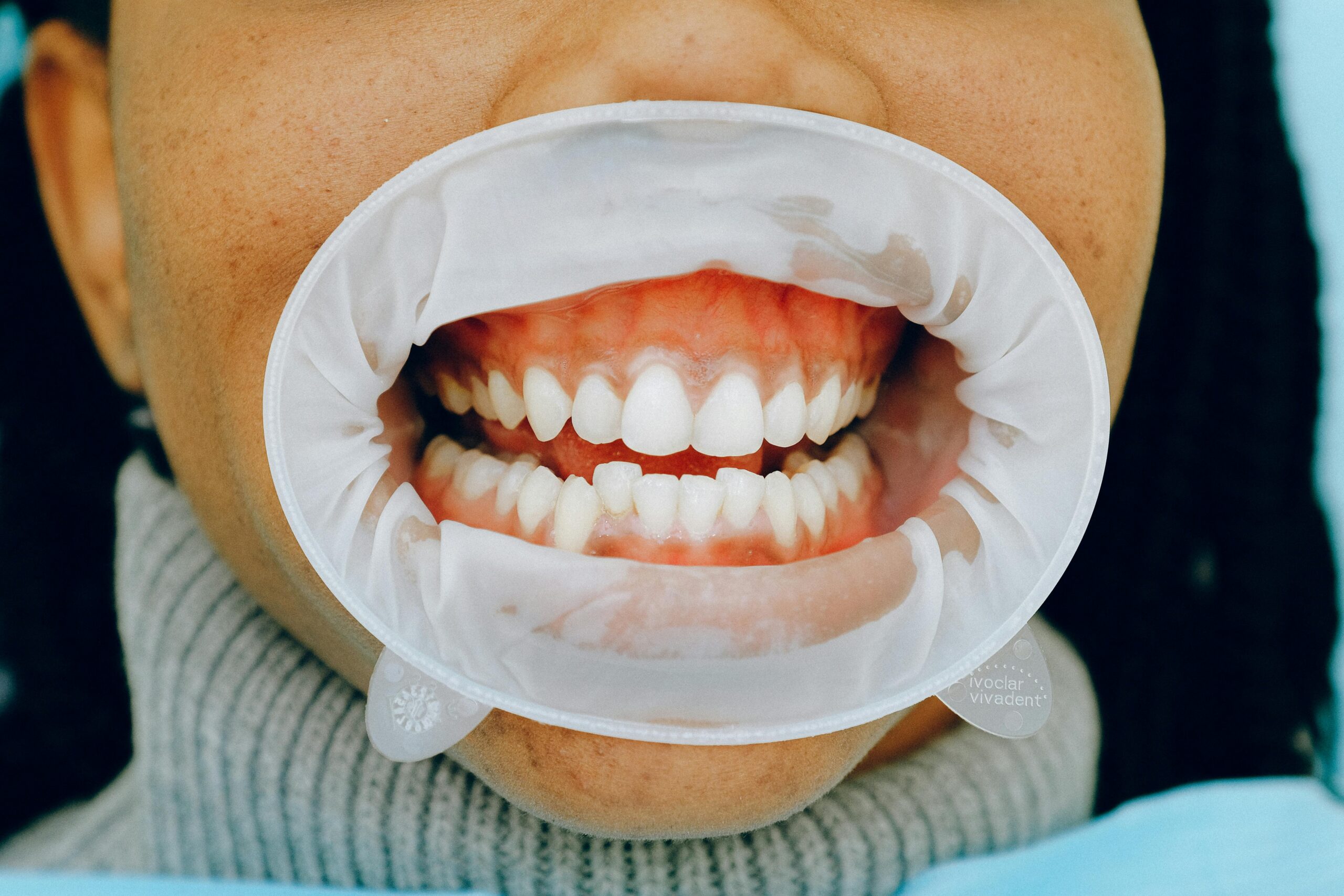
The human mouth is a complex ecosystem, home to billions of bacteria that coexist in a delicate balance. However, when this balance shifts, the results are often quiet, incremental, and dangerously easy to ignore. Unlike a broken limb or a skin infection, the early stages of oral degradation rarely announce themselves with sharp pain. Instead, they operate under the radar, eroding the foundations of your health while you go about your daily life. Understanding this stealthy progression is the first step in preventing irreversible damage to your smile and your systemic wellbeing.
The Invisible Onset of Gingivitis
Gum disease, or periodontitis, typically begins as gingivitis—a mild inflammation that many Australians dismiss as a normal consequence of brushing too hard. You might notice a small amount of pink in the sink or slight redness along the gumline. Because there is no throbbing ache, it is easy to assume everything is fine. In reality, this is the first stage of an immune response. Plaque, the sticky film of bacteria constantly forming on teeth, produces toxins that irritate the gingival tissue. If not removed through professional cleaning and meticulous home care, this plaque hardens into tartar (calculus), which cannot be brushed away. At this stage, the damage is still reversible, but the window of opportunity is narrow.
Deepening Pockets and Bone Loss
If gingivitis is left unaddressed, it evolves into periodontitis. This is where the “silent” nature of the disease becomes truly hazardous. The gums begin to pull away from the teeth, forming “pockets” that become breeding grounds for infection. As the body’s immune system fights the bacteria, it inadvertently begins to break down the bone and connective tissue that hold teeth in place.
Patients often remain unaware of this internal destruction because the outer enamel remains intact. However, beneath the surface, the structural integrity of the jaw is being compromised. By the time a tooth feels loose or a gum abscess develops, significant bone loss has usually occurred. Fortunately, modern dentistry provides minimally invasive solutions offered by periodontal treatment specialists that can halt the progression of the disease, cleaning deep below the gumline to encourage reattachment and tissue health.
The Stealthy Erosion of Tooth Enamel
Similarly, tooth decay does not always start with a cavity you can see in the mirror. Demineralisation occurs when acids produced by bacteria eat away at the tooth’s hard outer shell. In its infancy, decay might appear as a faint white spot, signifying a loss of minerals. There is no sensitivity at this point because the decay has not yet reached the dentin, the softer layer containing nerve endings.
Once the enamel is breached, the decay accelerates. Because the process happens inside the tooth structure, a tooth can look perfectly healthy from the top while a large hollow is forming underneath the surface. Many people only book an appointment when they experience “the big ache”—the moment the decay hits the pulp. At this point, simple fillings are often no longer an option, necessitating root canal therapy or extractions.
The Systemic Connection
The danger of ignoring these silent conditions extends far beyond the mouth. Clinical research has increasingly linked chronic oral infections to broader systemic health issues. The same bacteria responsible for periodontitis can enter the bloodstream through inflamed gums, contributing to cardiovascular disease, endocarditis, and complications with diabetes. The “silent damage” is therefore not restricted to your teeth; it is a persistent inflammatory burden on your entire body. Maintaining oral health is a vital component of longevity and preventative medicine.
Early Intervention and Lifestyle
Preventing silent damage requires a shift in mindset: moving from reactive “pain-based” dentistry to proactive maintenance. Regular diagnostic imaging, such as X-rays, allows clinicians to see between teeth and under the gumline where the naked eye cannot reach. Furthermore, dietary habits play a massive role in how quickly these conditions progress. Frequent snacking on fermentable carbohydrates provides a constant fuel source for acid-producing bacteria, accelerating the decay process even in those who brush regularly.
It is also important to recognise that these habits and conditions often begin far earlier than we realise. Establishing a foundation of oral health in the early years is essential to preventing a lifetime of dental struggles. Early exposure to sugary treats and poor hygiene can lead to childhood tooth decay, a condition that can affect the development of permanent teeth and jaw alignment. By monitoring the mouth closely from a young age and seeking professional intervention at the first sign of redness or sensitivity, you can ensure that the “silent” progress of dental disease is caught before it speaks through pain and tooth loss.