 IQnewswire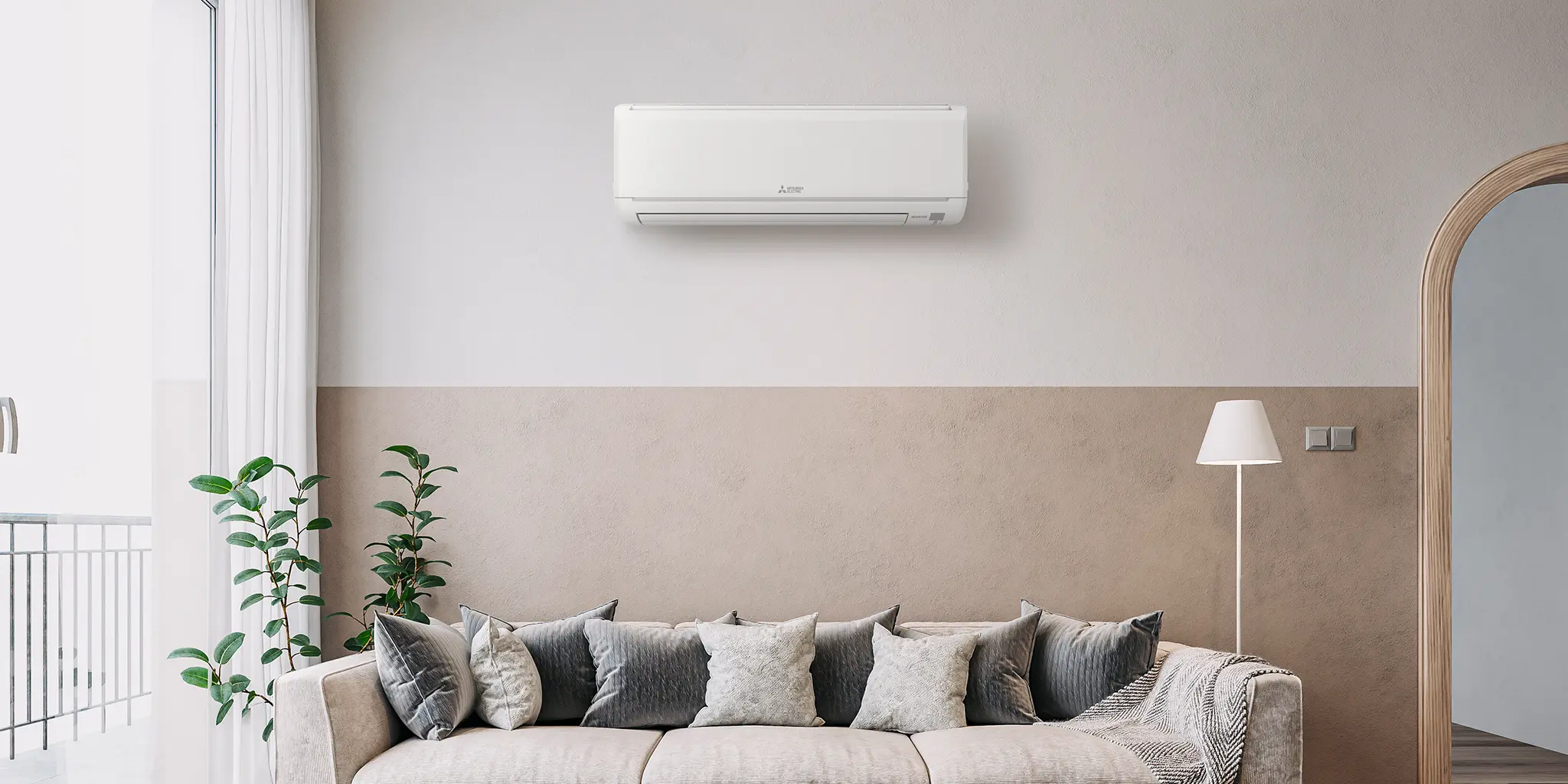
A ductless mini split system consists of two main components: a compact outdoor condenser unit and one or more indoor air handlers mounted directly in the rooms you want to condition. The two units are connected by a small conduit that runs through a narrow opening in the wall — no ductwork required. That single design difference is what sets mini splits apart from conventional forced-air systems and opens up a range of advantages that simply aren’t possible with traditional setups.
Because there are no ducts involved, the energy losses that typically occur as conditioned air travels through a duct system — often estimated at 20 to 30 percent — are eliminated entirely. The result is a system that delivers more of what you’re paying for directly into your living space. Homeowners exploring ductless mini split installation in Hatfield, PA often discover that the efficiency gains alone make the investment worthwhile, especially in older homes where ductwork is either absent, inefficient, or costly to repair.
Flexible Zoning Gives You Real Control Over Comfort
One of the most compelling advantages of a multi-zone mini split system is the ability to control the temperature in each room independently. Each indoor air handler operates on its own, which means one person can keep a bedroom cooler for sleeping while another maintains a warmer setting in a home office — all without interfering with the rest of the house.
Why zoning matters for everyday comfort
Central HVAC systems are calibrated for the home as a whole. They can’t easily address the fact that a south-facing room absorbs more heat than a north-facing one, or that a room above the garage is always a few degrees off from the rest of the house. Mini splits solve this directly by treating each space as its own zone with its own thermostat. You stop conditioning rooms you don’t need to and start putting energy exactly where it’s useful.
For multi-story homes, additions, sunrooms, and finished basements, this kind of granular control isn’t just a comfort improvement — it’s a meaningful reduction in wasted energy every month.
A Practical Solution for Homes Without Existing Ductwork
Retrofitting ductwork into an older home is one of the more disruptive and expensive HVAC projects a homeowner can undertake. It often involves opening up walls, ceilings, and floors, and the structural realities of many older homes make the process even more complicated. In some cases, it simply isn’t feasible without significant renovation work.
Ductless systems sidestep that problem entirely. Installation typically requires only a small hole in the wall for the conduit, and most residential installations are completed in a day or two with minimal disruption to the home. For homeowners in historic properties, converted spaces, or homes built before forced-air systems became standard, this is frequently the only practical way to achieve modern, whole-home climate control without a major construction project.
Energy Efficiency That Shows Up on Your Utility Bill
Mini splits are heat pumps at their core, which means they move heat rather than generate it. In heating mode, they extract heat energy from outdoor air and transfer it inside. In cooling mode, the process reverses. Because moving heat requires far less energy than creating it — the way a furnace or electric resistance heater does — heat pumps operate at efficiencies that traditional systems can’t match.
Understanding efficiency ratings
Most ductless mini splits carry SEER ratings (Seasonal Energy Efficiency Ratio) well above the minimum federal standards, and many modern units reach SEER ratings of 20 or higher. For heating, HSPF (Heating Seasonal Performance Factor) ratings measure the same concept across winter operation. Higher numbers in both categories translate directly to lower operating costs over a full heating and cooling season. For a home that runs its HVAC year-round, that difference compounds significantly over time.
Improved Indoor Air Quality Compared to Ducted Systems
Ductwork accumulates dust, allergens, mold spores, and other airborne particles over time. Every time a central system kicks on, it distributes whatever has settled in those ducts throughout the home. Regular duct cleaning helps, but it doesn’t eliminate the problem entirely — it just resets the clock.
Ductless systems avoid this issue by design. Most modern indoor air handlers include multi-stage filtration that captures airborne particles before recirculating air back into the room. Some units also include ionization or additional filtration layers for households with allergy sufferers or respiratory sensitivities. The absence of ductwork as a collection point for contaminants is a genuine air quality advantage, not just a marketing claim.
Quiet Operation That Doesn’t Interrupt Daily Life
Anyone who has lived with a loud central air system knows how disruptive the sound of a forced-air unit cycling on can be — especially at night or during quiet work hours. Ductless systems operate at a fraction of the noise level of traditional HVAC equipment. Indoor units typically run between 19 and 30 decibels at low speed, which is quieter than a typical conversation and barely perceptible in a normal living environment.
The compressor, which handles the noisier part of the refrigeration cycle, is located in the outdoor unit — away from living spaces. This separation keeps the indoor environment genuinely quiet, which is a quality-of-life improvement that homeowners consistently mention after making the switch.
Long-Term Value and Return on Investment
The upfront cost of a ductless system is higher than a window unit and, in some cases, higher than extending an existing ducted system. But the comparison doesn’t end at purchase price. Monthly energy savings, reduced maintenance requirements, and the avoided cost of ductwork installation or repair all factor into the real long-term cost of ownership. Most well-maintained mini split systems last 15 to 20 years, and because the indoor and outdoor components can often be replaced independently, the system doesn’t necessarily require full replacement when one component reaches the end of its useful life.
For homeowners thinking about resale value, modern, energy-efficient HVAC is an increasingly important factor for buyers — particularly in markets where older homes with aging systems are common. Whether you’re planning to stay for the long haul or eventually sell, a properly sized and professionally installed ductless system is a durable, practical investment that pays dividends in both comfort and efficiency.
Final Thoughts
Ductless mini splits aren’t the right answer for every home, but for the situations where they fit — no existing ductwork, persistent hot or cold spots, a new addition, or simply a desire for more efficient and controllable climate management — they’re hard to beat. The combination of zoned comfort, energy efficiency, quiet operation, and installation flexibility makes them one of the most well-rounded HVAC options available today. If you’re weighing your options, getting a professional assessment of your home’s specific layout and load requirements is the clearest path to understanding whether ductless mini split installation in Hatfield, PA or wherever you’re located makes sense for your situation. The right system, properly installed, is one you’ll appreciate every day it runs.