 IQnewswire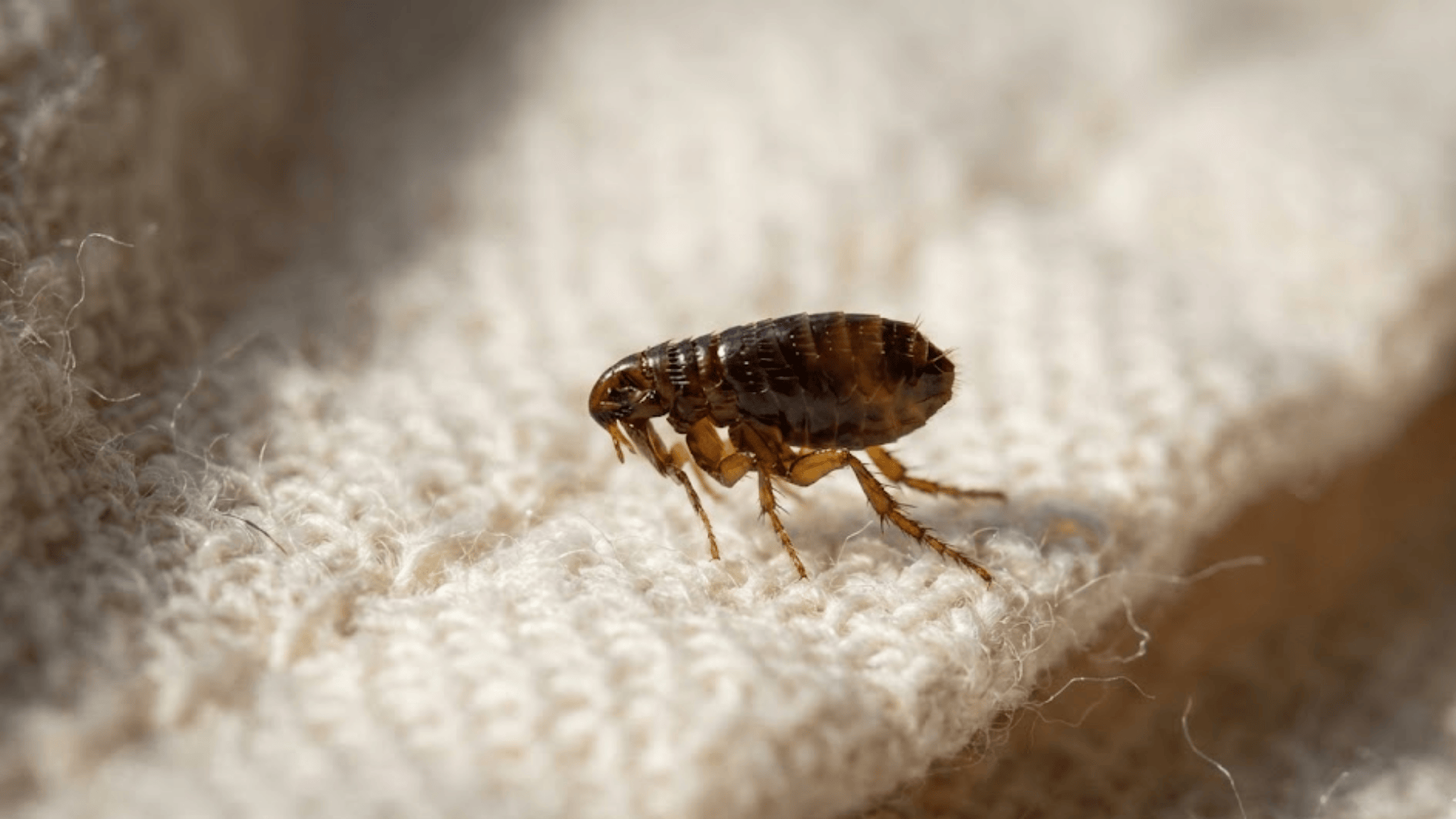
Language shapes how we think about problems, and the language most commonly used around flea management consistently points in the wrong direction. We talk about treating fleas. Dealing with fleas. Getting rid of fleas. All of these framings begin from a position of infestation and describe the effort required to return to a baseline of normalcy.
The more useful conversation begins earlier. It asks not how to resolve a flea problem but how to ensure that one never begins. The answer to that question looks quite different from the answer to the reactive one, and understanding the difference is the foundation of genuinely effective flea management.
What Treating Fleas Actually Involves
When a pet owner recognises a flea problem and responds, the work ahead is substantial. The adult fleas visible on the animal are a fraction of the total infestation. The majority of the flea population is distributed through the home environment as eggs, larvae, and pupae. Addressing a visible infestation on the animal does not resolve the environmental population. It removes the current adult burden while the environmental cycle continues producing new adults.
Effective resolution of an established infestation requires simultaneous treatment of the animal and thorough environmental management: washing all soft furnishings, vacuuming repeatedly and systematically, and treating carpets and upholstered surfaces. This process must be sustained across the weeks required for the environmental population to complete its development cycle and encounter a now-treated host. The timeline from recognition to resolution is measured in weeks, not days.
What Stopping Fleas Before They Arrive Actually Involves
Prevention requires one monthly application. The product is applied to the skin of the animal, distributes across the coat, and maintains a surface that is hostile to fleas for the duration of the treatment period. Fleas that contact the treated animal cannot survive to reproduce. The eggs that would have initiated the environmental cycle are never produced. The larvae, pupae, and new adults that would have followed never exist.
The contrast in effort between these two paths is not subtle. The advantage flea treatment approach, applied consistently, represents approximately twelve minutes of effort per year and produces a complete absence of flea-related events. The reactive path, taken after an infestation has established itself, represents weeks of intensive effort and a period of disruption to both the home environment and the comfort of the pet.
Why the Shift in Framing Matters
Thinking about flea management as prevention rather than treatment changes the decisions you make before any problem is visible. It means that the monthly application in a season with no obvious flea pressure is understood as the investment that is keeping conditions good, rather than an unnecessary precaution.
It also changes the way you evaluate the cost of consistent prevention. When the alternative is the full effort of resolving an established infestation, twelve monthly applications per year is not a burden. It is the most efficient possible use of the small amount of effort required to avoid something considerably less efficient.
The difference between treating fleas and stopping them before they arrive is the difference between responding to a problem and deciding, in advance, that the problem is not worth having. That decision is available every month, on the same date, and it costs almost nothing to make correctly.