 Blitz
Blitz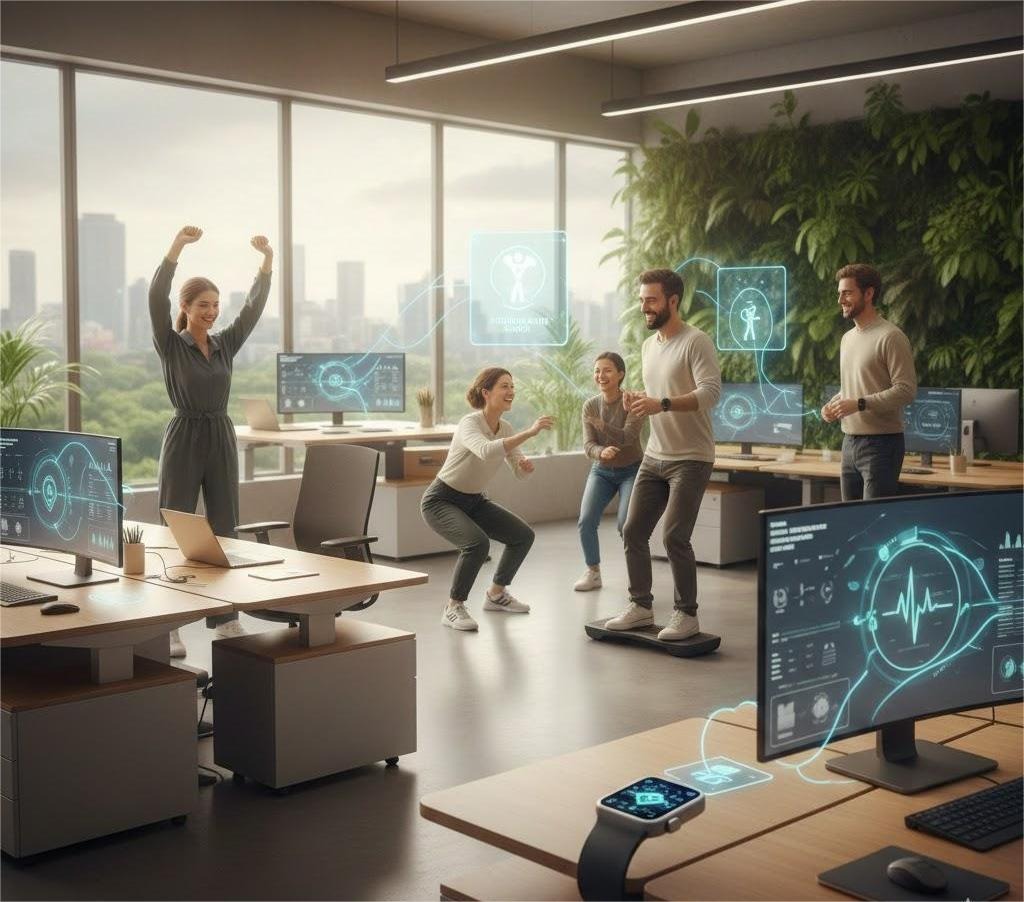
Modern offices have changed dramatically over the last decade. While technology has improved efficiency, collaboration, and flexibility, it has also reduced physical movement during the workday. By 2026, many office based roles involve long hours of screen time, virtual meetings, and task focused workflows that keep professionals seated for extended periods. This shift has created a growing interest in the science behind movement breaks and how short, intentional activity can support health and performance in modern offices.
Movement breaks are no longer viewed as optional or unproductive. Instead, they are increasingly recognized as a science backed strategy for improving focus, reducing fatigue, and supporting long term well being. Understanding the research behind movement breaks helps explain why exercise snacks are becoming a standard part of modern office culture.
How the Modern Office Affects the Human Body
The human body evolved for regular movement. Walking, standing, and changing positions were once built into daily life. Modern offices, however, encourage stillness. Chairs, desks, and screens promote static postures that limit natural movement.
When the body remains inactive, circulation slows, muscles tighten, and joints lose mobility. Over time, these physical changes contribute to discomfort, reduced energy, and increased risk of long term health issues.
The modern office does not cause these problems intentionally. Instead, they arise from a mismatch between human biology and work design.
The Cognitive Cost of Physical Inactivity
Physical inactivity does not only affect the body; it also impacts the brain. Research consistently shows that movement plays a critical role in supporting cognitive function. Blood flow, oxygen delivery, and neurotransmitter activity are all influenced by physical activity.
When professionals remain seated for long periods, mental fatigue builds. Attention decreases, reaction times slow, and decision making becomes less precise. These effects are particularly noticeable in knowledge based roles such as digital marketing, analytics, and strategy.
Movement breaks help counteract these effects by reactivating physiological systems that support brain function.
What Science Says About Short Movement Breaks
Scientific studies have shown that even brief bouts of movement can produce measurable benefits. Short periods of standing, stretching, or light activity increase blood flow and improve alertness.
Importantly, these benefits do not require long workouts. Research indicates that frequent, low intensity movement is effective for maintaining energy and focus during the workday.
This evidence challenges the traditional idea that exercise must be intense or time consuming to be valuable.
Understanding Exercise Snacks in the Office Context
Exercise snacks are short, intentional movement breaks performed throughout the day. These movements are simple, quick, and designed to fit seamlessly into work routines.
By incorporating exercise snacks into office workflows, professionals introduce regular physical engagement without disrupting productivity. Movement becomes part of the workday rather than something reserved for before or after work.
This approach aligns closely with scientific findings that emphasize frequency and consistency over duration.
The Role of Movement in Energy Regulation
Energy levels fluctuate throughout the day. In office environments, these fluctuations are often managed with caffeine or passive breaks. While these methods provide temporary relief, they do not address the underlying cause of fatigue.
Movement directly influences energy regulation. Physical activity stimulates circulation and activates the nervous system, leading to increased alertness.
Short movement breaks help stabilize energy levels, reducing afternoon slumps and improving sustained performance.
Why Sitting for Long Periods Reduces Performance
Prolonged sitting creates a state of physical and mental stagnation. Muscles remain inactive, and the body conserves energy. While this may seem efficient, it leads to reduced readiness for mental tasks.
Office workers often experience declining focus after long periods of sitting. This is not due to lack of motivation but to physiological changes caused by inactivity.
Movement breaks reverse this pattern by reintroducing physical stimulation.
The Science of Habit Formation and Movement
Consistency is critical for long term benefits. Scientific research on habit formation shows that behaviors are more likely to stick when they are easy to perform and linked to existing routines.
Exercise snacks meet these criteria. Short movement breaks require minimal effort and can be tied to natural work cues such as finishing a task or attending a meeting.
Over time, these cues trigger movement automatically, reducing reliance on motivation.
Digital Marketing and Knowledge Work Applications
Digital marketing professionals operate in data driven environments where focus and accuracy are essential. Small declines in attention can lead to misinterpretation of metrics or missed opportunities.
Movement breaks support cognitive clarity by preventing mental fatigue. For marketers working in modern offices or hybrid setups, exercise snacks offer a practical way to maintain performance.
This application of movement science highlights why exercise snacks are particularly relevant for knowledge workers.
Stress Reduction Through Movement
Stress is a common feature of modern office work. Tight deadlines, constant communication, and performance pressure activate stress responses in the body.
Physical movement helps regulate stress by releasing tension and supporting emotional balance. Short movement breaks interrupt stress accumulation before it becomes overwhelming.
This stress reducing effect is supported by research showing that even light activity can improve mood and reduce anxiety.
Why Passive Breaks Are Less Effective
Passive breaks, such as scrolling on devices or remaining seated, do not provide the same physiological benefits as movement. While they may feel restful, they allow physical stagnation to continue.
Movement breaks actively engage muscles and circulation, leading to more complete recovery. This distinction explains why exercise snacks are more effective than traditional breaks.
Understanding this difference is key to designing healthier office routines.
Technology and the Science of Reminders
Behavioral science highlights the importance of cues in habit formation. Reminders act as external cues that prompt action when internal motivation is low.
In modern offices, digital tools are a natural medium for these cues. Browser based reminders are particularly effective because they reach users in the context of their work.
The Exercise Snacks Chrome Extension applies this science by providing timely prompts for movement within the browser environment.
These prompts support consistency without creating distraction.
Why Browser Based Tools Align With Office Work
Most office work in 2026 happens online. Emails, dashboards, documents, and meetings are accessed through browsers.
By integrating reminders into this environment, browser based tools align with existing workflows. This alignment increases compliance and habit formation.
Science supports this contextual approach to behavior change.
Long Term Health Benefits Supported by Research
Regular movement throughout the day supports long term health outcomes. Research links consistent activity to improved cardiovascular health, better metabolic function, and reduced musculoskeletal issues.
Exercise snacks contribute to these benefits by preventing prolonged inactivity. Over months and years, small daily movements accumulate into meaningful health improvements.
This long term perspective is essential for modern professionals planning sustainable careers.
Office Design and Movement Friendly Cultures
Modern offices are increasingly designed with movement in mind. Standing desks, flexible seating, and open layouts encourage position changes.
However, design alone is not enough. Behavioral habits determine whether movement actually occurs.
Exercise snacks complement office design by providing a behavioral framework that encourages regular activity.
The Future of Office Wellness in 2026
By 2026, office wellness is shifting from reactive programs to proactive daily habits. Instead of occasional wellness initiatives, organizations are supporting consistent movement throughout the workday.
A future focused discussion on how exercise snacks fit into this evolving landscape can be found in the exercise snacks guide for 2026, which explores practical examples and scientific insights.
These trends reflect a growing alignment between science and workplace practices.
Productivity and Movement Science
Productivity research increasingly recognizes the role of physical well being. Mental output depends on physical readiness.
Movement breaks improve productivity not by increasing work hours but by improving work quality. This science backed insight is reshaping office norms.
Exercise snacks represent a simple application of this research.
Creating Science Backed Office Routines
Science backed routines prioritize what works rather than what sounds impressive. Frequent, short movement breaks meet this standard.
By adopting exercise snacks, professionals align daily habits with scientific evidence. This alignment supports both health and performance.
The simplicity of this approach increases its likelihood of long term success.
A Sustainable Model for Modern Offices
Sustainability requires realistic strategies. Office wellness programs that demand extra time or effort often fail.
Exercise snacks succeed because they integrate into existing routines. Science supports this integration as the most effective way to change behavior.
This model fits the realities of modern offices.
Final Thoughts
The science of movement breaks provides clear evidence that regular, short physical activity supports health, focus, and productivity in modern offices. Prolonged sitting undermines both physical and cognitive performance, while frequent movement restores balance.
Exercise snacks offer a practical, science backed solution that aligns with how modern offices operate. Supported by technology and habit based cues, they transform movement into a natural part of the workday.
As offices continue to evolve in 2026 and beyond, exercise snacks stand out as an evidence based strategy for creating healthier, more productive work environments.