admin
admin
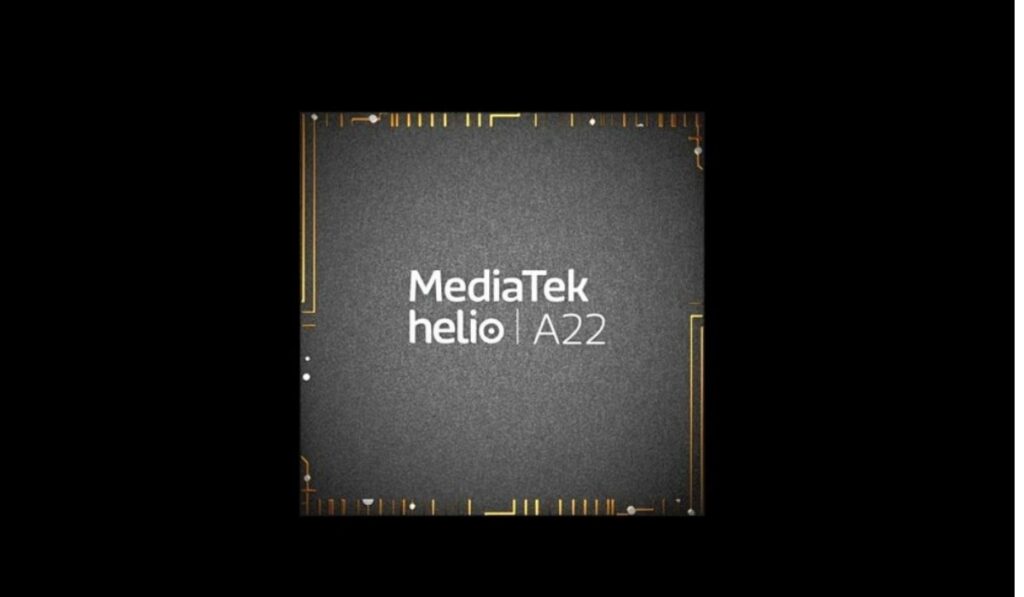
The MT6761, also known as the MediaTek Helio A22, is a power-efficient mobile chipset developed by MediaTek to serve the budget and mid-range smartphone market. It was officially launched in mid-2018 as part of MediaTek’s A-series lineup, which focuses on balancing cost, performance, and battery efficiency. The is built using the 12nm FinFET process technology, offering improved energy efficiency and performance over previous entry-level chipsets. It is designed to deliver essential smartphone functions such as social media, photography, gaming, and web browsing without consuming too much power or raising device costs.
Architecture and Core Configuration
The MT6761 chipset is powered by a quad-core CPU setup based on ARM’s Cortex-A53 architecture. These four cores can reach clock speeds up to 2.0 GHz, providing enough power for multitasking and smooth operation of most everyday smartphone tasks. The Cortex-A53 cores are known for their balance between performance and power consumption, making them ideal for low-cost smartphones that still deliver acceptable speed and responsiveness. This chipset is paired with an IMG PowerVR GE8300 GPU, which manages graphics rendering, gaming visuals, and user interface animations efficiently.
MediaTek designed the to work seamlessly with Android devices, supporting both 32-bit and 64-bit operating systems. This flexibility allows manufacturers to use the chipset across different devices and configurations, ensuring compatibility with lightweight versions of Android such as Android Go as well as standard versions of Android.
Manufacturing Technology and Power Efficiency
One of the key strengths of the MT6761 lies in its 12nm FinFET manufacturing process. Compared to older 28nm or 20nm technologies used in previous generations, the 12nm node offers a significant reduction in power consumption while maintaining strong performance output. This efficiency allows smartphones with to last longer on a single charge, even when used for tasks such as video streaming, social media browsing, and moderate gaming.
Because the MT6761 consumes less power, it also generates less heat, contributing to better thermal management and improved user comfort. This is particularly important for budget devices that often have smaller batteries and less sophisticated cooling systems. By using this efficient design, MediaTek succeeded in creating a chipset that can handle everyday smartphone use without compromising energy savings.
GPU and Graphics Performance
The PowerVR GE8300 GPU integrated into the MT6761 chipset provides essential graphical processing capabilities for handling HD content, games, and animations. While it does not compete with high-end Adreno or Mali GPUs found in flagship processors, it delivers solid performance for casual gaming and everyday graphics tasks. Games like Subway Surfers, Candy Crush, and even lighter versions of PUBG Mobile can run smoothly on devices using this chipset when paired with adequate RAM.
In addition, the MT6761 supports resolutions up to HD+ (1600×720), which aligns perfectly with most budget smartphones in today’s market. The GPU’s efficiency ensures that visuals remain sharp and fluid while maintaining battery life, an important factor for users who prefer affordable devices without sacrificing multimedia performance.
Camera and Imaging Capabilities
MediaTek equipped the MT6761 with an advanced Image Signal Processor (ISP) that supports up to 13MP single cameras or 8MP dual-camera setups. This makes it suitable for phones offering both basic photography and dual-camera features such as portrait or depth effects. The chipset’s camera engine includes MediaTek’s intelligent features like Electronic Image Stabilization (EIS), AI-powered enhancements, and real-time beautification effects.
Moreover, the MT6761 supports full HD video recording at 30 frames per second, delivering smooth and clear video capture. The ISP’s efficiency ensures quick image processing, faster focusing, and improved low-light performance, which are essential for modern smartphone photography. These features collectively enhance the photography experience on budget devices, allowing users to capture moments with clarity and vibrancy.
Connectivity and Network Support
Connectivity is a vital aspect of any smartphone chipset, and the MT6761 performs impressively in this regard. It supports 4G LTE Cat-7 (download speeds up to 300 Mbps) and Cat-13 (upload speeds up to 150 Mbps), ensuring smooth data transfer and reliable internet connections. It also supports dual 4G VoLTE, allowing users to make high-quality voice calls from both SIM cards simultaneously.
Other connectivity features include Wi-Fi 802.11 a/b/g/n, Bluetooth 5.0, and GPS/GLONASS/Beidou positioning systems, providing comprehensive wireless communication options. MediaTek’s advanced network management features help ensure stable performance even in areas with weak signals, making it a dependable choice for budget-conscious users who value consistent connectivity.
AI and Smart Performance Features
While the MT6761 does not feature a dedicated AI processing unit like MediaTek’s higher-end chipsets, it still includes AI capabilities through software optimizations. These features enhance device usability, such as intelligent photo recognition, scene detection, and facial recognition unlocking. MediaTek’s AI enhancements help optimize performance and resource allocation, ensuring smoother multitasking and faster app launches.
The chipset also supports MediaTek’s CorePilot technology, which dynamically manages CPU performance and power allocation depending on the task. This intelligent system ensures that users experience responsive performance without excessive battery drain. Such optimization contributes to a balanced smartphone experience that combines speed and efficiency in one package.
Memory, Storage, and Compatibility
The MT6761 chipset supports LPDDR3 RAM up to 4GB and eMMC 5.1 storage, which are sufficient for budget smartphones. This configuration enables smooth app switching, quick loading times, and stable background processes. While not as fast as LPDDR4x or UFS storage found in higher-end chipsets, it offers dependable performance for everyday users.
Manufacturers often pair this chipset with Android Go, a lighter version of Android specifically optimized for devices with lower memory. This combination allows entry-level smartphones to deliver excellent responsiveness, low power consumption, and access to the full Google ecosystem without lagging or crashing frequently.
Devices That Use the MT6761 Chipset
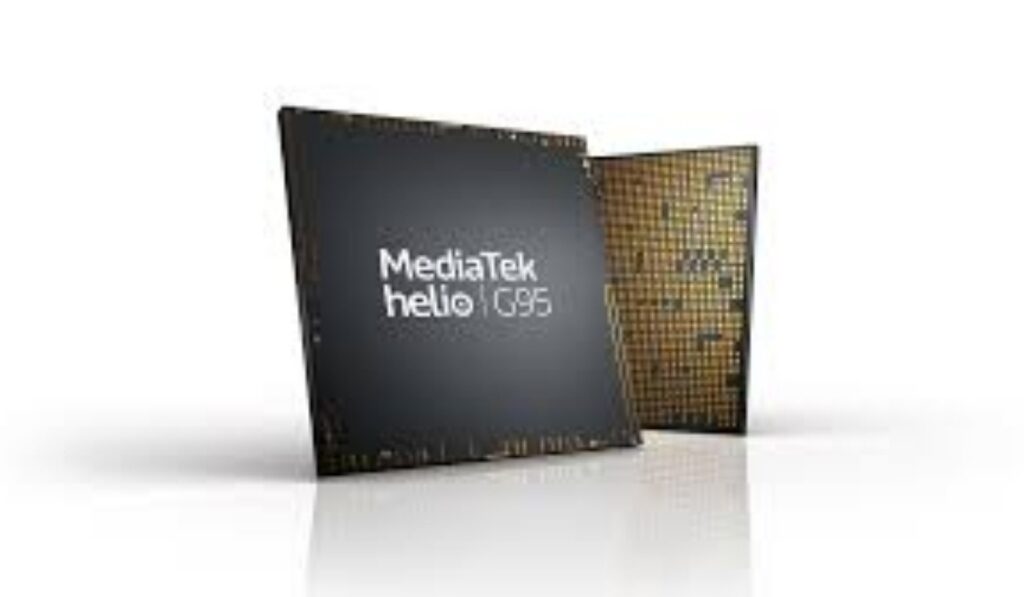
Since its launch, the MT6761 chipset has been used in numerous smartphones by well-known brands such as Xiaomi, Nokia, Infinix, Tecno, and Alcatel. Popular models like the Nokia 2.2, Xiaomi Redmi 6A, and Infinix Smart series rely on the for their processing power. These devices demonstrate how the chipset balances performance and affordability effectively.
This wide adoption reflects the versatility and reliability of the MT6761 chipset. It enables smartphone manufacturers to produce cost-effective devices that meet consumer expectations in developing markets, where affordability and efficiency are top priorities.
Comparison with Other MediaTek and Snapdragon Processors
When compared to Qualcomm’s Snapdragon 425 or 439, the MT6761 offers competitive performance at a lower price point. It delivers similar efficiency and speed but often provides better thermal control and camera support. Compared to other MediaTek chipsets like the Helio P22 (MT6762), the has fewer cores and slightly lower GPU power, but it remains ideal for users who need a basic smartphone experience without lag.
The combination of power efficiency, decent performance, and affordability makes the MT6761 a solid choice for entry-level smartphones. While it cannot match the gaming or multitasking capabilities of high-end processors, it stands as one of the best options in the low-cost segment.
Final Thoughts on the MT6761
The MediaTek Helio A22 (MT6761) is a well-balanced chipset that represents MediaTek’s commitment to making smartphones more accessible globally. It brings together key features like efficient power usage, dependable performance, and strong connectivity in one affordable package. Whether it’s for social media, streaming, communication, or photography, the ensures users get a smooth experience without breaking the bank.
For smartphone manufacturers, it provides an ideal platform to build reliable devices that cater to the growing market of budget-conscious users. For consumers, it means having access to modern smartphone features without the need for expensive hardware. The MT6761 continues to power millions of devices worldwide, proving that performance and affordability can coexist effectively in today’s competitive mobile market.
Frequently Asked Questions
1. What is the MT6761 chipset used for?
- The MT6761 is used in budget and entry-level smartphones to deliver efficient performance for everyday tasks such as browsing, social media, and photography.
2. Is the MT6761 good for gaming?
- The MT6761 can handle casual and lightweight games smoothly, but it is not designed for heavy 3D gaming or high-performance applications.
3. What phones use the MT6761 processor?
- Popular phones like the Xiaomi Redmi 6A, Nokia 2.2, and Infinix Smart series use the MT6761 processor due to its balance of power and affordability.
4. Does MT6761 support 4G connectivity?
- Yes, the MT6761 supports 4G LTE with dual VoLTE, allowing users to use two 4G SIM cards simultaneously with stable network performance.
5. How efficient is the MT6761 chipset?
- Thanks to its 12nm FinFET process, the offers excellent power efficiency, reduced heat generation, and longer battery life for everyday smartphone use.