 admin
admin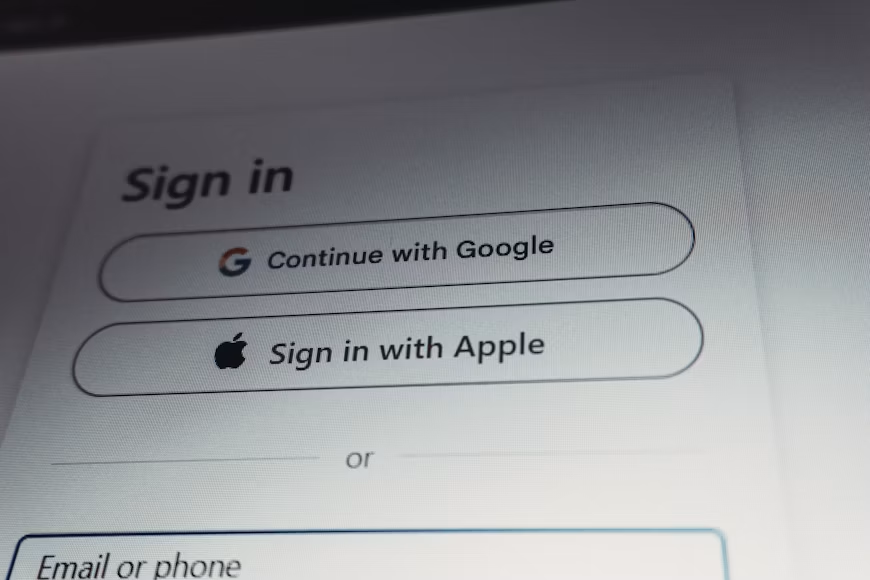
Many online services have become faster and much more user-friendly over the past few years. A few years ago, online verification could take hours or even days. Now it is completed within a few minutes. One of the biggest reasons for this change is instant verification. Instead of waiting for a person to manually check all documents and other personal information, modern systems can confirm many details almost immediately. More and more service providers are using artificial intelligence. From opening a bank account to signing up for an online marketplace, instant verification has become an important part of our digital lives. Our experts explain how the technology behind instant verification works and how it is transforming online services.
Instant verification is changing the way we use online services
Instant verification is the process of checking information automatically in real time. In the early days, compliance officers had to manually review documents. Nowadays, computer systems compare the provided information with trusted databases and advanced technology to confirm that all the provided information is correct.
For example, a customer may upload an identity document such as a passport, enter a phone number, or verify an email address. Within seconds, the system can determine whether the given information is valid. Some platforms, such as banks, also use other ways to verify the user, such as facial recognition, digital signatures, and secure banking connections. It may look like speed is the most important factor, but that is not entirely true. Accuracy is the main reason why instant verification exists. The goal is not only to speed up the process, but it also reduces manual work, and companies can process more applications while lowering the chance of human error. Customers also get quick answers and don’t have to wait several days for approval.
Improved customer experience
One of the biggest reasons why instant verification was invented is to provide a smoother customer experience. People today expect online services to work quickly. Long waiting times lead to frustration, and therefore users may leave a website before completing their registration. Users simply don’t have the time to wait 24 hours before they know whether they will get access to a service or not. When verification happens almost immediately, users can continue using the service without unnecessary delays. Creating an account is easy, and within a few minutes they already can make purchases or access new features. A better experience also builds trust. Customers feel that businesses take their time seriously, and businesses invest in modern technology. The result is higher customer satisfaction, and users tend to return in the future.
Industries that benefit the most
Many industries now rely on instant verification. Financial institutions use it when customers open new accounts or apply for loans. Online casinos also benefit from instant verification. Users can now find pikakasinot where they can login with their internet bank information. After logging in with a bank account, access is granted immediately. Similarly, providers verify patient identities before sharing sensitive medical information. Travel companies confirm passenger details during online booking, while employers verify documents for digital recruitment.
Online marketplaces also benefit from instant verification, as they can instantly confirm seller identities before allowing products to be listed. Instant verification creates a safer online environment. It reduces scammers and leads to a better online shopping environment for secondhand buyers. Even subscription services use instant verification to confirm information such as email addresses, payment methods, or student status.
The role of artificial intelligence
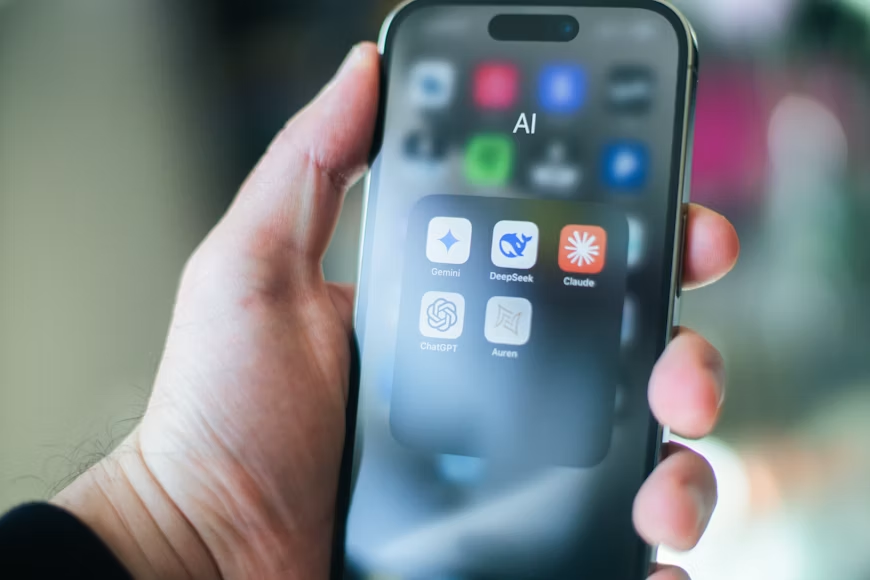
Nowadays we live in a world where artificial intelligence has become more important. Also, in instant verification, artificial intelligence plays a more important role. AI systems can analyze documents, recognize faces, detect unusual behavior, and identify patterns that humans might overlook.
For example, AI can compare an uploaded identification document with a selfie in just a few seconds. Fintech banks are already operating this way. AI can recognize signs that documents have been altered or manipulated. Machine learning models keep improving and learning as they process more data. This means that AI can learn from sophisticated fraud attempts. But AI will never completely replace human experts. Complex causes still require manual review. AI handles routine tasks while employees can focus on situations that require careful judgment. This way, efficiency and accuracy go hand in hand.
Instant verification and online privacy
Consumers may be worried about their online privacy when providers use instant verification. They want to know that their personal information is collected and processed securely. Responsible companies clearly explain why they need certain information and how it will be used. They follow data protection laws and use encryption to protect sensitive details.
Consumers also are not eager to give their personal information to anyone. They decide to give their personal information to trusted websites. A bare minimum is that the websites use two-factor authentication and there is a possibility to create a strong password. As an end user, it is important to confirm that the website uses secure connections. Always read the privacy policy first. Businesses that combine fast verification with strict and transparent privacy practices, usually have more customers trusting the service and feel comfortable with the information that is required.
What will the future of instant verification look like?
Instant verification has many benefits, but it is not perfect. Technology can occasionally flag legitimate users as frauds because of poor-quality photos, damaged documents or technical issues. We call these false positives. However, employees of the compliance department still judge the application manually in such cases. Instant verification will most likely become faster and more accurate in the coming years. Improvements in artificial intelligence, biometric technology and secure digital identities (such as an e-passport) make online services easier to use, while protection against fraud becomes stricter.
Governments in many countries are already working on developing digital identity systems. One of the most recent examples is the European Union developing a digital passport. There also will be an app soon that can verify the end-users age, so users cannot circumvent age restrictions in EU-countries for social media. Users will not have to repeatedly upload documents in the future anymore. Eventually, they may verify themselves once and securely and share the information with trusted organizations. Businesses will keep investing in reliable and advanced instant verification technology, so that they can offer an even better customer experience.