IQnewswire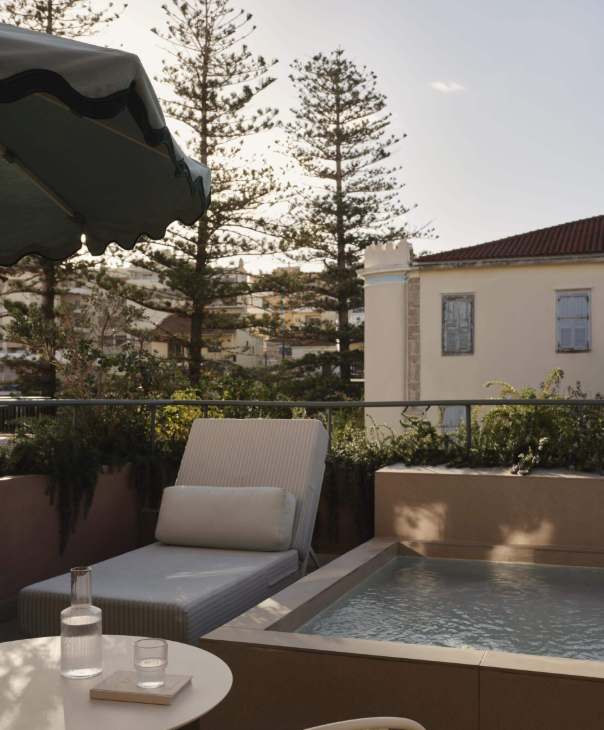
There is a precise moment in Chania, just as the Cretan sun loses its white-hot edge, when the entire city seems to catch its breath. The heavy, sweet scent of roasting wild oregano from a back-alley kitchen drifts over the harbor, colliding with the sharp, clean brine of the Aegean. If you stand at the edge of the stone breakwater, looking back toward the pastel facades of the Old Town, you realize you aren’t looking at a postcard. You are looking at a living, breathing palimpsest, a city where history isn’t preserved in glass cases, but worn smooth by centuries of footsteps.
To love Chania is to love the art of getting lost. The Venetian harbor gets all the fame, and its iconic Egyptian lighthouse is a beautiful anchor for the eye, but the soul of the city hides in the shadows of its labyrinthine alleyways.
The Layers of Splantzia
Away from the waterfront crowds lies Splantzia, the old Ottoman quarter. It is a neighborhood of quiet contradictions. In the center of the square stands the Church of Agios Nikolaos. Look up, and you’ll see both a Christian bell tower and a towering Ottoman minaret rising from the same structure, a stark, beautiful monument to Chania’s complex, overlapping identities.
Under the shade of sprawling plane trees, old men click their worry beads over tiny cups of thick, dark Greek coffee, while around the corner, a new wave of local artisans screen-print linen bags and hand-carve olive wood. It is this friction between the ancient and the hyper-local that keeps Chania from feeling like an open-air museum. It feels alive.
A Seat by the Sea
To eat here is to understand the Cretan obsession with syndrophia (hanging out with intimacy, fellowship). Skip the tourist-trap menus with their laminated pictures of moussaka. Instead, wander toward the quieter, industrial edges of the harbor, where the old tanneries once stood.
Here, in unassuming, whitewashed tavernas, the food is deceptively simple. You do not come for molecular gastronomy; you come for wild mountain greens (horta) slicked with bitter, estate-pressed olive oil, fresh sea bass grilled over open coals with nothing but lemon, and slow-braised goat that falls apart at the touch of a fork. The table is crowded, the house white wine is served in cold copper carafes, and the hospitality feels less like service and more like an invitation into a home.
The Minoan Footprint
As night falls, climb up Kastelli Hill. It is the oldest continuously inhabited part of Chania, where modern apartment balconies overlook the exposed stone foundations of ancient Kydonia, a Minoan settlement dating back over five thousand years. Standing there, watching the lights of the harbor twinkle to life while looking down at stone walls laid by bronze-age hands, the passage of time feels fluid.
Living Within Chania’s History
Finding the right place to rest your head in Chania is about matching the city’s slow, poetic tempo. Instead of sprawling, anonymous concrete complexes, the city’s most compelling stays are found in its meticulously restored, centuries-old historic residences. To truly experience the destination, look for a luxury hotel in Chania that respects its architectural inheritance. Τhink exposed stone archways, soaring wood-beamed ceilings, and hidden inner courtyards tucked away from the harbor’s lively hum.
Choosing a luxury hotel Chania that feels more like a private sanctuary than a commercial property allows you to step directly out of your door and into the living history of the old town, bridging the gap between historical discovery and modern, mindful comfort.
Chania is not a place you simply visit; it is a place that gently alters your internal rhythm. Whether you are tracing the hand-carved stone of your room’s ancient archway, sharing a carafe of house wine by the quiet edge of the harbor, or watching the Egyptian lighthouse catch the day’s last light, the city constantly invites you to slow down and exist in the present.