 2Q Solutions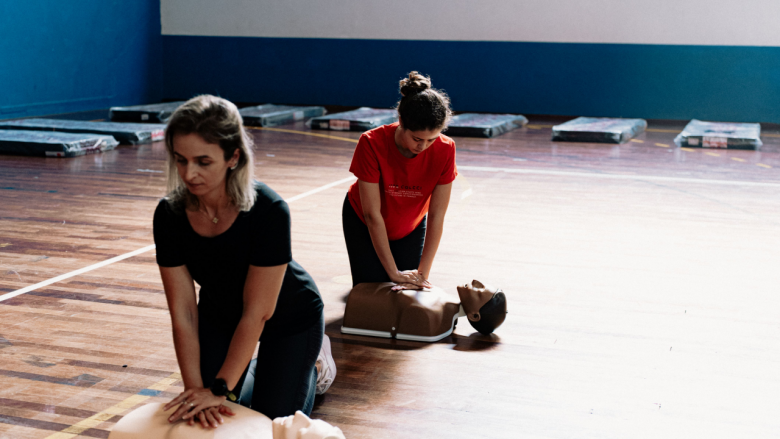
Medical emergencies can happen anywhere and at any time. Whether a person is at home, at work, at school, or out in public, quick action can make a meaningful difference in the outcome of a life-threatening situation. Because of this, many people choose to learn lifesaving skills that help them respond effectively when someone is in distress.
Two of the most commonly discussed emergency response credentials are CPR certification and BLS certification. Although these terms are sometimes used interchangeably, they are not exactly the same. Understanding the differences between them can help individuals choose the training that best fits their personal goals, workplace requirements, and professional responsibilities.
Understanding CPR Certification
CPR stands for Cardiopulmonary Resuscitation. CPR certification courses are designed to teach people how to respond when a person’s heart has stopped beating or when they are no longer breathing normally. These courses often focus on providing immediate assistance until professional medical help arrives on the scene.
A standard CPR course typically covers chest compressions, rescue breathing techniques, and the proper use of an automated external defibrillator, commonly known as an AED. Participants also learn how to recognize the signs of cardiac arrest and other emergencies that require urgent intervention. The goal is to give individuals the confidence needed to take action during critical situations.
CPR certification is suitable for a wide variety of people. Parents, teachers, coaches, childcare providers, office workers, and community volunteers often take CPR classes because they want to be prepared for emergencies. The training is designed to be accessible, making it an excellent choice for those without a healthcare background.
What Is BLS Certification?
Basic Life Support, or BLS, is a more advanced level of emergency response training. While it includes CPR techniques, it also expands on the skills and procedures needed in professional healthcare environments. BLS courses are commonly required for nurses, physicians, medical assistants, paramedics, and other healthcare professionals who may encounter emergencies as part of their daily responsibilities.
A major focus of BLS training is working effectively as part of a coordinated response team. Participants learn how to deliver high-quality chest compressions, manage airways, provide ventilations, and respond to various emergency scenarios. The training emphasizes both technical skills and effective communication during stressful situations.
Many healthcare employers require bls certification because it prepares workers to handle emergencies in clinical settings. Since healthcare professionals often respond alongside coworkers and emergency personnel, BLS programs place greater emphasis on teamwork and coordinated patient care than standard CPR courses.
Who Should Choose CPR Certification?
CPR certification is often the ideal option for individuals who want basic emergency response knowledge without pursuing a healthcare career. It provides valuable skills that can be used in homes, workplaces, schools, gyms, and many other environments. Learning CPR can help people feel more prepared to assist family members, friends, coworkers, or strangers during emergencies.
Many organizations encourage employees to obtain CPR certification because emergencies can happen anywhere. Having trained individuals nearby can improve response times and potentially improve outcomes while waiting for emergency medical services. The skills taught in CPR classes remain valuable even for people who may never face an emergency directly.
Another advantage of CPR training is its accessibility. Courses are widely available and are generally designed to accommodate varying schedules and learning preferences. This makes it easier for busy individuals to gain lifesaving knowledge without making a significant time commitment.
Certification Renewal and Continuing Education
Both CPR and BLS certifications typically require renewal after a certain period. This is necessary because emergency response guidelines can change as new research and medical evidence become available. Refresher training helps ensure that participants continue using the most effective techniques.
Renewal courses also allow individuals to practice skills that may not be used regularly. Even experienced responders can benefit from reviewing procedures and improving muscle memory through hands-on training. Regular practice helps increase confidence and readiness during actual emergencies.
Continuing education is especially important in healthcare settings where patient outcomes may depend on rapid and accurate intervention. Staying current with certification requirements demonstrates a commitment to maintaining professional standards and delivering quality care.
Conclusion
Although CPR certification and BLS certification share many similarities, they are designed for different audiences and purposes. CPR certification provides essential emergency response skills for everyday individuals, while BLS certification offers a more advanced level of training intended primarily for healthcare professionals and medical personnel.
Choosing the right certification depends on a person’s responsibilities, career goals, and desired level of preparedness. Regardless of which course someone selects, both programs provide valuable knowledge that can help save lives during critical situations. Learning these skills represents an investment in personal confidence, community safety, and the ability to make a positive difference when emergencies occur.
Read More at USA Times